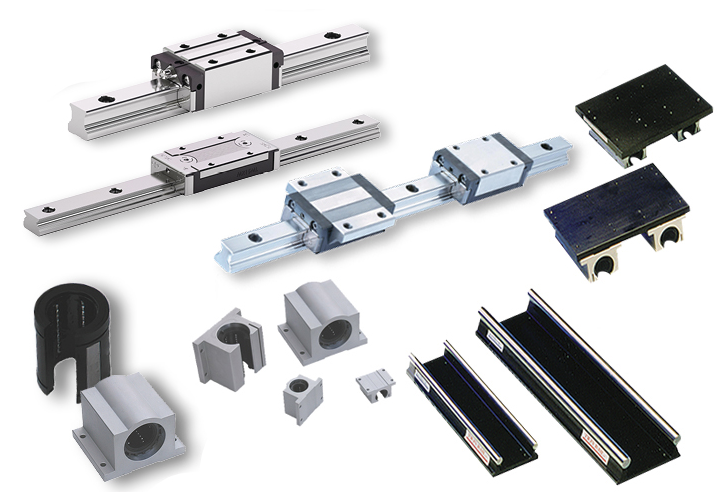
Challenges and Solutions for Addressing Friction and Wear in Linear Bearings
Friction and wear are common challenges in linear bearings that can impact their performance and lifespan. Here are the challenges and some solutions to address them:
- 1. Challenge: Friction:
Friction between the bearing components can lead to increased energy consumption, heat generation, and reduced efficiency.
- Solution: Lubrication:
Proper lubrication is essential to minimize friction. Lubricants reduce the contact between moving parts, allowing smoother motion and reducing wear. Choosing the right lubricant and applying it correctly can significantly mitigate friction-related issues.
- 2. Challenge: Wear:
Continuous movement can lead to wear on the bearing surfaces, affecting precision and performance over time.
- Solution: Regular Maintenance:
Implementing a regular maintenance schedule can help monitor wear and replace worn components before they compromise performance. This includes cleaning, re-lubrication, and periodic inspection of the bearing’s condition.
- 3. Challenge: Contaminants:
Dust, debris, and foreign particles can enter the bearing system, leading to increased friction and accelerated wear.
- Solution: Sealing and Protection:
Using seals, covers, or protective enclosures can help prevent contaminants from entering the bearing system. These protective measures maintain the integrity of the lubricant and extend the bearing’s lifespan.
- 4. Challenge: Improper Installation:
If linear bearings are not installed correctly, misalignment and uneven load distribution can contribute to friction and wear.
- Solution: Precise Installation:
Follow manufacturer guidelines for proper installation, ensuring accurate alignment and even load distribution. This reduces the risk of premature wear and ensures optimal performance.
- 5. Challenge: Inadequate Lubrication:
If the linear bearings are under-lubricated or over-lubricated, it can lead to increased friction and wear.
- Solution: Lubrication Management:
Monitor and manage lubrication levels to ensure they are within the recommended range. Regularly assess the lubricant’s condition and replenish as needed to maintain optimal performance.
- 6. Challenge: High Loads and Speeds:
High loads and speeds can increase friction and wear on linear bearings.
- Solution: Proper Selection:
Select linear bearings that are designed to handle the specific loads and speeds of the application. This ensures that the bearings can operate effectively under the given conditions.
Addressing friction and wear challenges in linear bearings requires a combination of proper maintenance practices, appropriate lubrication, protective measures, and careful selection of bearings. By implementing these solutions, the performance and longevity of linear bearings can be optimized.
Contribution of Linear Bearings to Smooth Movement of Conveyors and Slides
Linear bearings play a crucial role in ensuring the smooth movement and operation of industrial conveyors and linear slides. Their contributions are as follows:
- Reduced Friction:
Linear bearings are designed to minimize friction between moving components, facilitating smooth motion of conveyors and linear slides. This reduces wear and tear, energy consumption, and the need for frequent maintenance.
- Precision Movement:
Linear bearings enable precise positioning and controlled movement. This precision is vital for conveyors and slides that require accurate placement of materials, products, or components.
- Stability and Load Distribution:
Linear bearings distribute loads evenly across the bearing surface, enhancing stability and preventing uneven wear. This is especially important for conveyors that handle varying loads and linear slides that support heavy components.
- Quiet and Vibration-Free Operation:
Linear bearings contribute to quiet and vibration-free operation. This is crucial in environments where noise reduction and minimal vibrations are essential for the comfort of operators and the integrity of products.
- Efficient Energy Transfer:
Linear bearings ensure efficient energy transfer by reducing energy losses due to friction. This efficiency is particularly beneficial in systems where multiple conveyors or slides are connected, improving overall system performance.
- Longevity and Reliability:
Linear bearings enhance the longevity and reliability of conveyors and slides by reducing wear on moving parts. This results in extended operational lifespans and reduced downtime for maintenance.
- Flexibility and Customization:
Linear bearings come in various designs and sizes, allowing for customization to suit specific conveyor or slide requirements. This adaptability is valuable for accommodating different loads and motion profiles.
- Wide Range of Industries:
Linear bearings find application in industries such as manufacturing, logistics, packaging, and material handling, where conveyors and linear slides are essential components of the workflow.
In summary, linear bearings contribute significantly to the efficient, precise, and reliable movement of industrial conveyors and linear slides. Their ability to reduce friction, ensure stability, and support heavy loads enhances the overall performance of these systems.
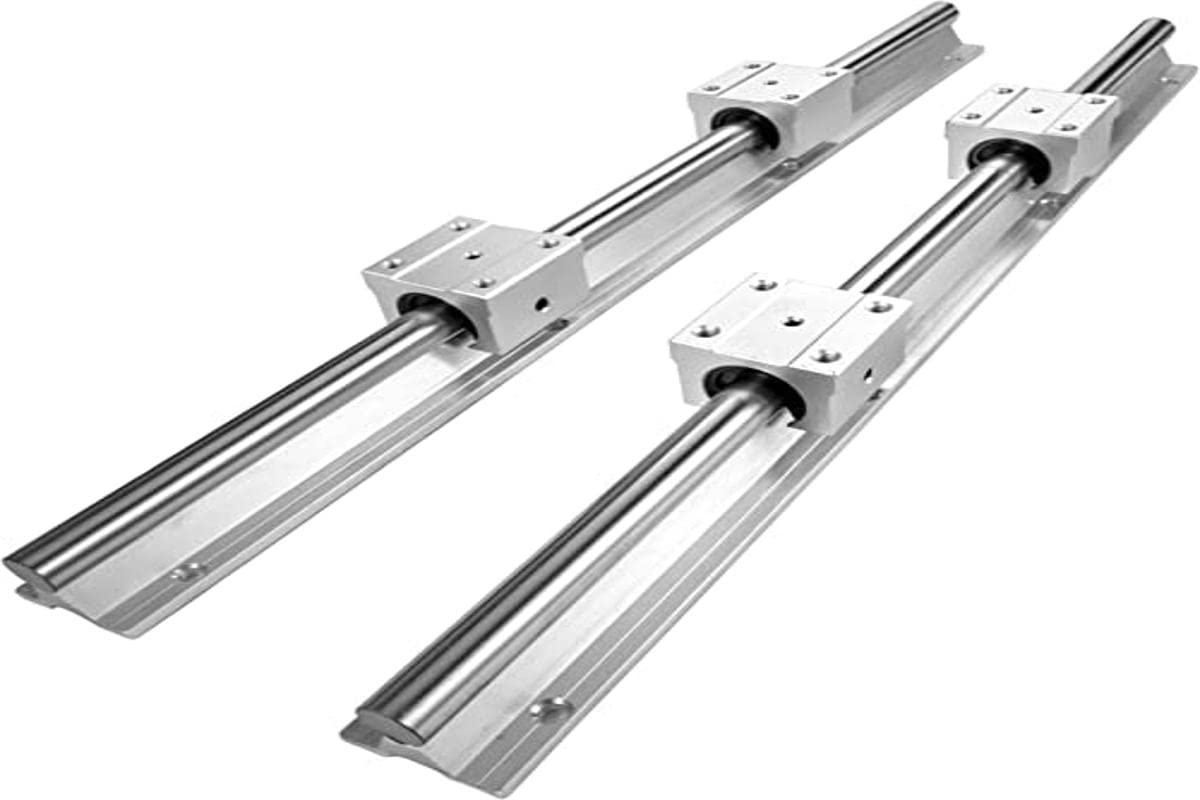
Advantages of Linear Bearings over Other Bearing Types
Linear bearings offer several distinct advantages when compared to other types of bearings, particularly in applications that require controlled linear motion. These benefits contribute to their widespread use across various industries:
- Precise Linear Motion:
Linear bearings are designed specifically for linear motion, providing accurate and controlled movement along a defined path. This precision is essential in applications that demand accurate positioning and repeatability.
- Low Friction:
Linear bearings are designed to minimize friction during motion. The reduced friction translates to smoother movement, reduced wear, and improved efficiency, making them suitable for applications requiring consistent motion.
- High Load Capacity:
Linear bearings can handle significant loads in both radial and axial directions. This capability allows them to support heavy components and maintain stability under various loads.
- Minimal Maintenance:
Due to their design and minimal contact between moving parts, linear bearings require less maintenance compared to other types of bearings. This is particularly advantageous in hard-to-reach or inaccessible areas.
- Guided Motion:
Linear bearings provide guided and constrained motion along a single axis. This guidance eliminates the need for complex guiding mechanisms, reducing design complexity and simplifying assembly.
- Compact Design:
Linear bearings have a compact form factor, making them suitable for applications with limited space. Their small footprint allows for efficient use of available area.
- Low Noise and Vibration:
Linear bearings generate minimal noise and vibration during operation, contributing to quieter and more comfortable working environments in applications such as medical devices and precision machinery.
- Smooth Movement:
Linear bearings offer smooth and consistent movement, essential for applications requiring continuous and controlled motion, such as robotic systems and conveyor belts.
- Customization:
Linear bearings can be designed to fit specific application requirements, including load capacity, travel distance, and environmental conditions. This customization enhances their suitability for diverse applications.
- Reduced Wear:
The low friction and guided motion of linear bearings result in reduced wear on both the bearing and the mating surface, leading to longer service life and reduced maintenance costs.
Overall, the benefits of using linear bearings make them a preferred choice in applications that demand accurate linear motion, efficient load handling, and reduced maintenance. Their ability to deliver precision, stability, and reliability contributes to improved performance across various industries.


editor by CX 2024-04-30