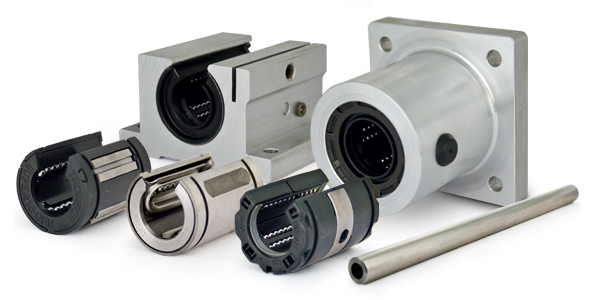
Considerations for Selecting the Right Type and Size of Linear Bearing
Choosing the appropriate type and size of linear bearing requires careful consideration of various factors to ensure optimal performance and compatibility with the application. Here are important considerations to keep in mind:
- 1. Load Capacity:
Determine the maximum load the linear bearing will need to support. Consider both static and dynamic loads to select a bearing that can handle the expected weight and forces.
- 2. Speed and Acceleration:
Assess the required speed and acceleration of the linear motion. Different linear bearing types have different speed limitations, so choose one that can accommodate the desired motion profile.
- 3. Precision and Accuracy:
If your application requires precise positioning, choose linear bearings that offer high accuracy and repeatability. Linear ball bearings are known for their precision, while linear roller bearings offer higher load capacity.
- 4. Environment:
Consider the operating environment, including temperature, humidity, dust, and potential exposure to chemicals. Select linear bearings that are designed to withstand the specific environmental conditions.
- 5. Rail or Shaft Compatibility:
Ensure that the chosen linear bearing is compatible with the rail or shaft you intend to use. Proper fit and alignment are crucial for smooth motion and long bearing life.
- 6. Space Constraints:
If your application has limited space, choose compact linear bearings that can fit within the available area without compromising performance.
- 7. Maintenance Requirements:
Consider the level of maintenance your application can accommodate. Some linear bearings are self-lubricating, reducing the need for frequent maintenance.
- 8. Noise Level:
For noise-sensitive environments, opt for linear bearings that provide quiet operation to avoid disruptions caused by excessive noise.
- 9. Mounting Options:
Consider how the linear bearing will be mounted and integrated into your system. Different bearings may require specific mounting configurations.
- 10. Cost and Budget:
Balance the desired features and performance with your budget constraints. While high-performance linear bearings may offer advanced features, they can also come at a higher cost.
By carefully evaluating these factors, you can choose the most suitable type and size of linear bearing for your specific application. Consulting with bearing manufacturers and engineers can also provide valuable insights to ensure the optimal selection.
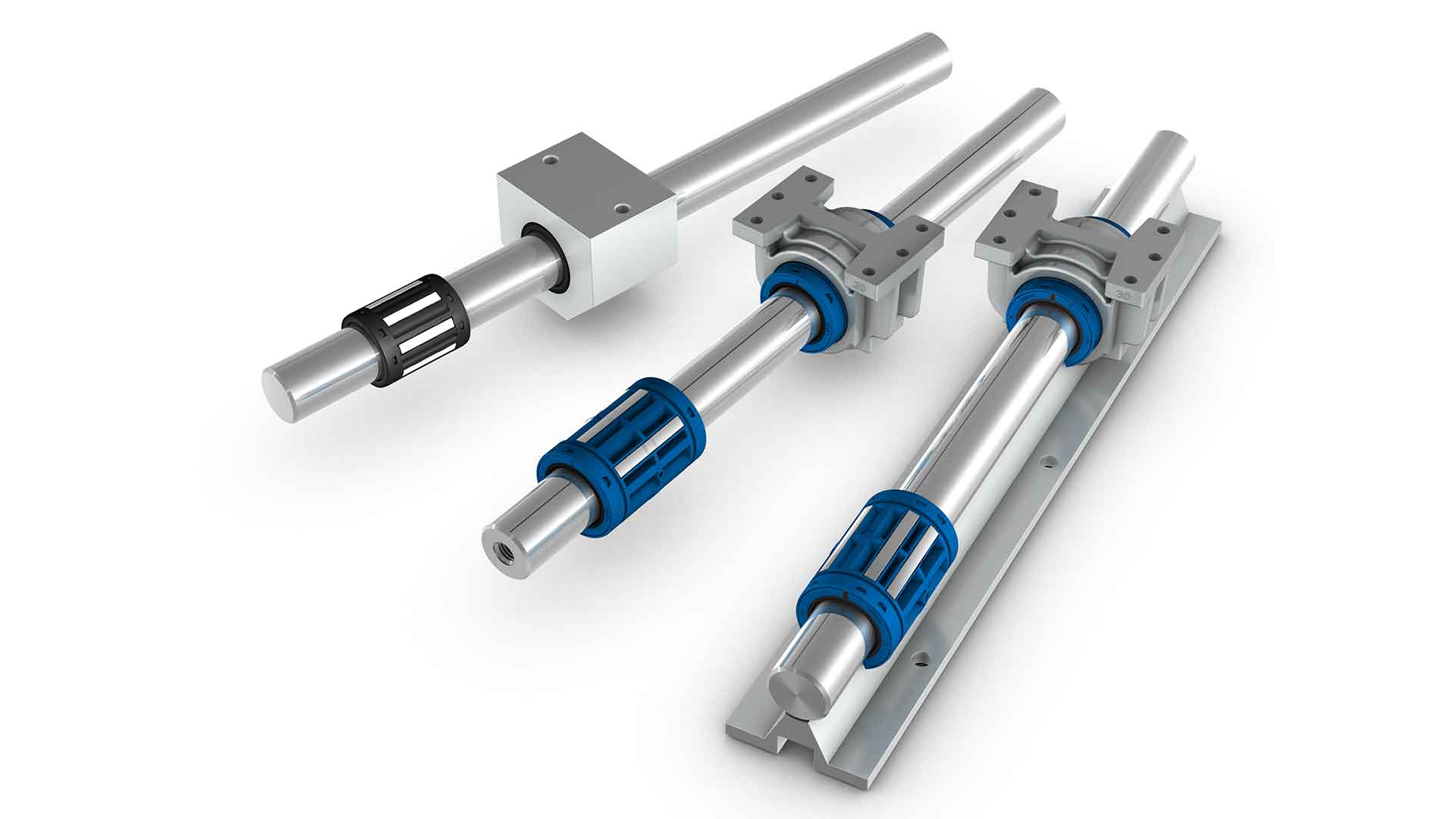
Role of Linear Bearings in Heavy Load and High Precision Applications
Linear bearings are essential components in applications that require the combined capabilities of handling heavy loads and maintaining high precision. They serve a critical role in such scenarios:
- Heavy Load Handling:
Linear bearings are designed to support and guide heavy loads along a linear path. They distribute the weight evenly, reducing friction and wear on the moving components and ensuring smooth and stable movement.
- Precision Motion Control:
Linear bearings enable precise and accurate control over the motion of heavy loads. This precision is crucial in applications where components need to be positioned or moved with extremely fine tolerances.
- Reduced Friction:
Linear bearings are engineered to minimize friction between moving parts, even under heavy load conditions. This not only improves efficiency but also enhances the accuracy of movement.
- Smooth Movement:
Linear bearings provide smooth and consistent movement, ensuring that heavy loads can be guided and positioned without jarring or sudden stops. This is particularly important for applications requiring controlled and gentle motion.
- Reduced Wear and Maintenance:
By reducing friction and wear, linear bearings extend the operational lifespan of heavy-load equipment. This translates to lower maintenance requirements and longer intervals between servicing.
- Optimized Performance:
Linear bearings contribute to the overall performance of heavy-load systems by allowing them to operate smoothly, accurately, and reliably. This is critical in applications where precision and consistency are paramount.
- Wide Range of Industries:
Linear bearings find application in various industries, including manufacturing, aerospace, automotive, and heavy machinery, where heavy loads need to be moved with high precision.
Overall, linear bearings serve as a cornerstone in applications that demand the simultaneous management of heavy loads and precise movement. They ensure that heavy machinery and equipment can function efficiently and accurately while maintaining the safety and integrity of the entire system.
Examples of Crucial Motion Control Scenarios Using Linear Bearings
Linear bearings are crucial for achieving precise motion control in various scenarios where accuracy, repeatability, and smooth movement are essential. Here are some examples:
- 1. CNC Machining:
In computer numerical control (CNC) machines, linear bearings enable precise movement of the cutting tool or workpiece along multiple axes. This accuracy is necessary to produce complex and intricate parts with tight tolerances.
- 2. Semiconductor Manufacturing:
In semiconductor fabrication equipment, linear bearings control the movement of wafers, masks, and other components with micron-level precision. This precision is vital for creating tiny circuits and microchips.
- 3. 3D Printing:
In 3D printers, linear bearings ensure accurate positioning of the print head and build platform. This accuracy is crucial for creating intricate and detailed 3D-printed objects.
- 4. Laser Cutting and Engraving:
Linear bearings are used in laser cutting and engraving machines to control the movement of the laser head. Precise motion ensures accurate cutting and engraving on various materials.
- 5. Microscopy:
In microscopy applications, linear bearings enable precise positioning of microscope stages and objectives. This accuracy is essential for capturing detailed images and conducting precise measurements.
- 6. Metrology and Inspection:
Linear bearings are crucial in metrology and inspection equipment for accurately measuring and inspecting parts. This ensures compliance with quality standards and specifications.
- 7. Optical Systems:
In optical systems, linear bearings control the movement of lenses, mirrors, and other optical components. Precise motion is essential for maintaining accurate focus and alignment.
- 8. Coordinate Measuring Machines (CMMs):
Linear bearings in CMMs allow accurate measurement of parts’ dimensions and geometries. Precise motion ensures reliable measurement results.
- 9. Aerospace and Defense Testing:
In aerospace and defense industries, linear bearings are used in testing equipment to simulate various conditions. Accurate motion control is crucial for testing components’ performance and durability.
These examples highlight the critical role of linear bearings in achieving precise motion control across industries. Whether in manufacturing, research, or testing, linear bearings ensure accurate and repeatable movement for optimal results.


editor by CX 2024-03-04