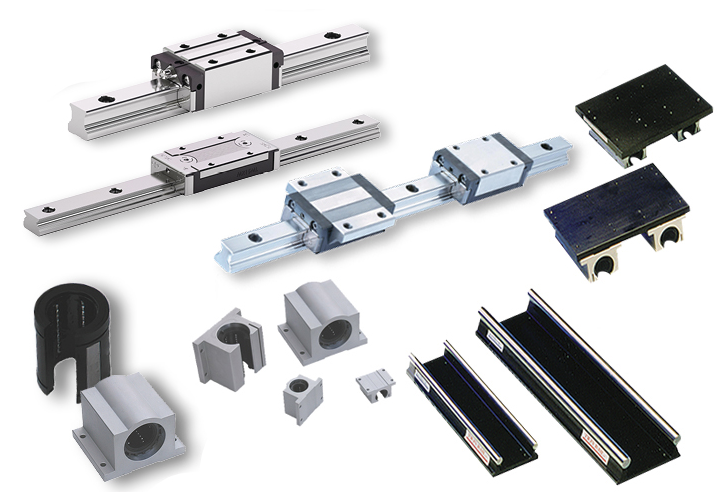
Challenges and Solutions for Addressing Friction and Wear in Linear Bearings
Friction and wear are common challenges in linear bearings that can impact their performance and lifespan. Here are the challenges and some solutions to address them:
- 1. Challenge: Friction:
Friction between the bearing components can lead to increased energy consumption, heat generation, and reduced efficiency.
- Solution: Lubrication:
Proper lubrication is essential to minimize friction. Lubricants reduce the contact between moving parts, allowing smoother motion and reducing wear. Choosing the right lubricant and applying it correctly can significantly mitigate friction-related issues.
- 2. Challenge: Wear:
Continuous movement can lead to wear on the bearing surfaces, affecting precision and performance over time.
- Solution: Regular Maintenance:
Implementing a regular maintenance schedule can help monitor wear and replace worn components before they compromise performance. This includes cleaning, re-lubrication, and periodic inspection of the bearing’s condition.
- 3. Challenge: Contaminants:
Dust, debris, and foreign particles can enter the bearing system, leading to increased friction and accelerated wear.
- Solution: Sealing and Protection:
Using seals, covers, or protective enclosures can help prevent contaminants from entering the bearing system. These protective measures maintain the integrity of the lubricant and extend the bearing’s lifespan.
- 4. Challenge: Improper Installation:
If linear bearings are not installed correctly, misalignment and uneven load distribution can contribute to friction and wear.
- Solution: Precise Installation:
Follow manufacturer guidelines for proper installation, ensuring accurate alignment and even load distribution. This reduces the risk of premature wear and ensures optimal performance.
- 5. Challenge: Inadequate Lubrication:
If the linear bearings are under-lubricated or over-lubricated, it can lead to increased friction and wear.
- Solution: Lubrication Management:
Monitor and manage lubrication levels to ensure they are within the recommended range. Regularly assess the lubricant’s condition and replenish as needed to maintain optimal performance.
- 6. Challenge: High Loads and Speeds:
High loads and speeds can increase friction and wear on linear bearings.
- Solution: Proper Selection:
Select linear bearings that are designed to handle the specific loads and speeds of the application. This ensures that the bearings can operate effectively under the given conditions.
Addressing friction and wear challenges in linear bearings requires a combination of proper maintenance practices, appropriate lubrication, protective measures, and careful selection of bearings. By implementing these solutions, the performance and longevity of linear bearings can be optimized.
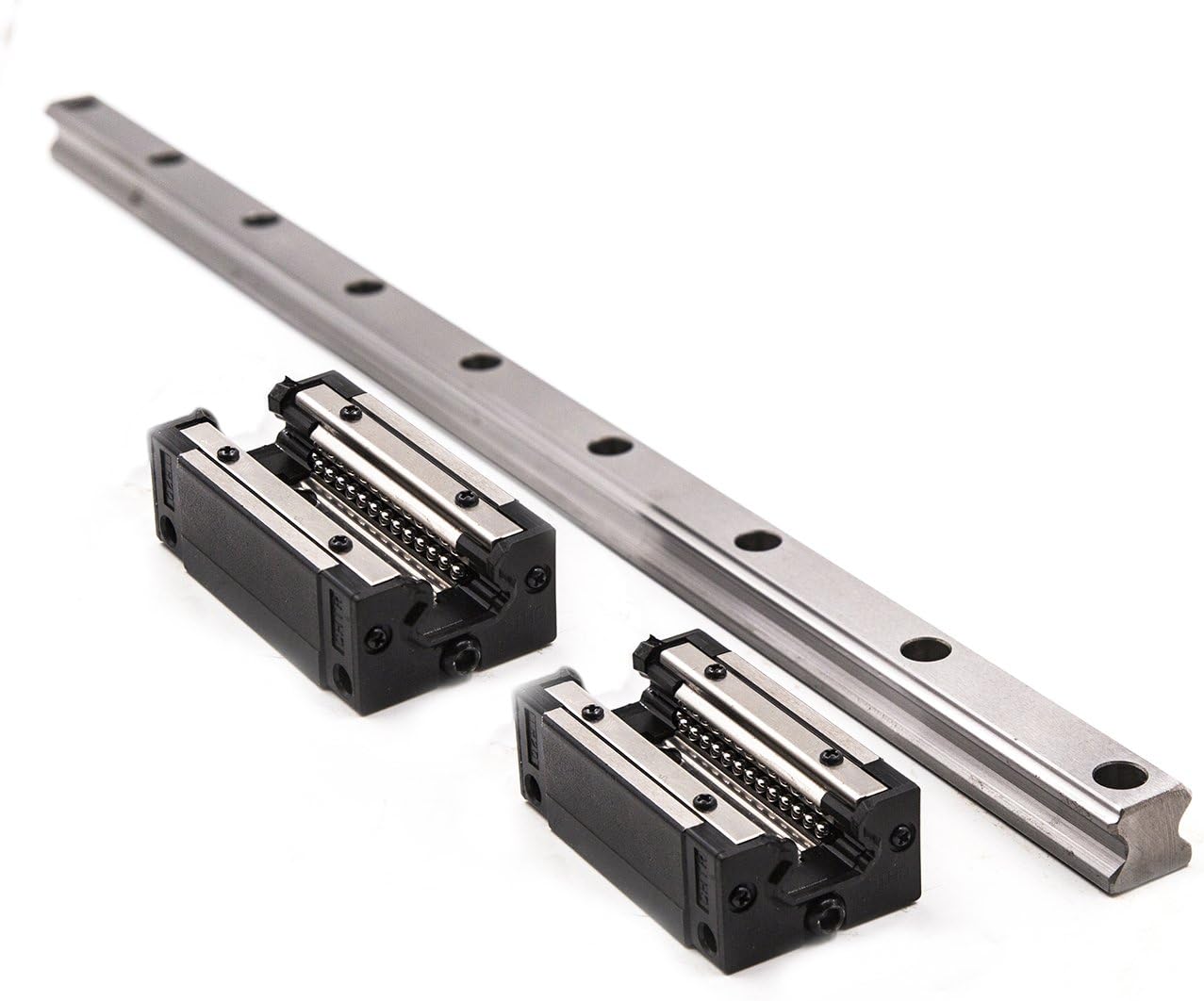
Contribution of Linear Bearings to Smooth Movement of Conveyors and Linear Slides
Linear bearings play a crucial role in ensuring the smooth movement of industrial conveyors and linear slides by providing low-friction support and guiding mechanisms. Here’s how linear bearings contribute to their operation:
- Smooth Motion: Linear bearings offer precise and smooth linear motion to conveyors and linear slides, allowing materials or objects to move seamlessly along a defined path.
- Low Friction: The design of linear bearings minimizes friction between the moving parts, reducing energy consumption and wear. This is particularly important for conveyors and slides that require frequent and continuous movement.
- Guidance: Linear bearings guide the movement of the conveyor belts or linear slides, ensuring that they stay on track and follow the desired path without deviation.
- Load Support: Linear bearings provide support for both radial and axial loads, allowing conveyors to carry heavy loads and linear slides to accommodate objects or components without sacrificing smoothness.
- Precision: Linear bearings offer high precision and accuracy, which is essential for applications where precise positioning is required, such as in automated manufacturing processes.
- Reduced Noise and Vibration: Linear bearings contribute to quieter operation by reducing noise and absorbing vibrations generated during movement. This is beneficial in environments where noise reduction is important.
- Longevity: By minimizing friction and wear, linear bearings enhance the longevity of conveyors and linear slides, reducing the need for frequent maintenance and replacement.
In industrial settings, linear bearings ensure that conveyors efficiently transport materials, products, or components, while linear slides provide controlled and accurate movement for various applications. Whether in manufacturing, logistics, or automation, the use of linear bearings results in enhanced efficiency, reduced downtime, and improved overall performance.
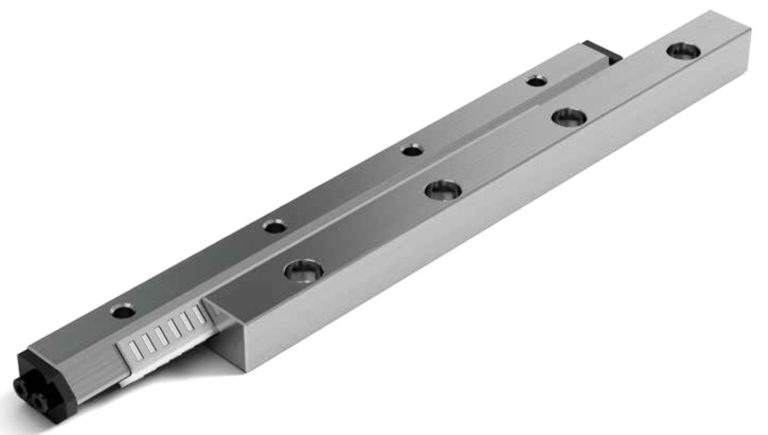
Factors to Consider When Selecting a Linear Bearing
Choosing the right linear bearing for a specific application involves considering several critical factors to ensure optimal performance and longevity:
- Load Requirements:
Determine the magnitude and direction of the loads the linear bearing will experience. Consider both static and dynamic loads to select a bearing with an appropriate load capacity.
- Precision and Accuracy:
For applications requiring precise positioning, choose linear bearings with high precision and low backlash. Factors like repeatability and positional accuracy are crucial.
- Speed and Acceleration:
Consider the speed and acceleration at which the linear bearing will operate. Higher speeds may require bearings with lower friction and better heat dissipation.
- Environmental Conditions:
Assess the environmental factors such as temperature, humidity, and exposure to contaminants. Choose linear bearings with suitable materials and seals to withstand the conditions.
- Space Constraints:
Take into account the available space for mounting the linear bearing. Some applications may have limited space, necessitating compact and lightweight bearing options.
- Maintenance Requirements:
Consider the maintenance needs of the bearing. Bearings with self-lubricating properties or easy access for lubrication can reduce maintenance frequency.
- Mounting and Configuration:
Choose a linear bearing that can be easily mounted and integrated into your system’s design. Consider factors like mounting orientation and available mounting surfaces.
- Life Expectancy:
Estimate the expected lifespan of the linear bearing based on the application’s requirements. Select a bearing with a suitable design life to prevent premature failures.
- Cost and Budget:
Balance the desired performance with the available budget. Opt for linear bearings that provide the necessary features without exceeding cost limitations.
- Accessories and Add-ons:
Consider any additional accessories or add-ons, such as seals, lubrication systems, or end caps, that can enhance the bearing’s performance and protection.
- Manufacturer and Supplier:
Choose reputable manufacturers and suppliers that offer reliable products and good customer support. Quality assurance and technical assistance are essential.
Overall, a comprehensive assessment of these factors will help you select the most suitable linear bearing for your specific application, ensuring optimal performance, longevity, and cost-effectiveness.


editor by CX 2024-04-24