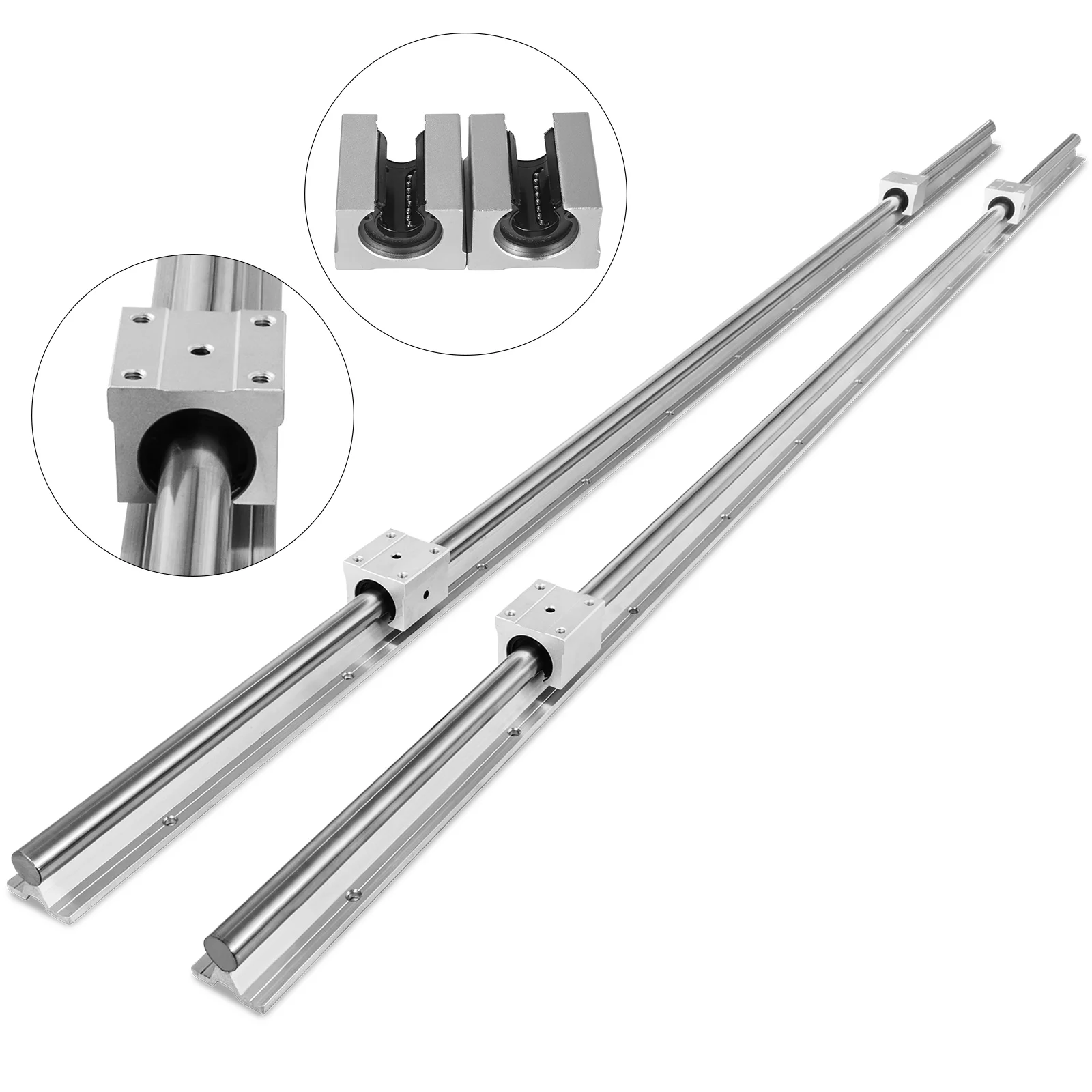
Contribution of Linear Bearings to CNC Machining Efficiency and Accuracy
Linear bearings play a crucial role in enhancing the efficiency and accuracy of Computer Numerical Control (CNC) machining processes. Here’s how they contribute:
- 1. Enhanced Precision:
Linear bearings provide smooth and precise linear motion along machine axes. This precision is essential for achieving tight tolerances and accurate dimensions in machined parts.
- 2. Reduced Friction and Wear:
Low friction in linear bearings minimizes energy loss and heat generation during movement. This reduces wear on the components and extends the lifespan of the machine, resulting in consistent performance over time.
- 3. Smooth Motion Control:
Linear bearings enable controlled and predictable motion, allowing CNC machines to execute complex tool paths with smooth transitions. This is crucial for producing intricate shapes and achieving high-quality surface finishes.
- 4. Minimized Vibration and Noise:
The smooth operation of linear bearings reduces vibration and noise levels during machining. This is especially important for maintaining a stable machining environment and producing parts with minimal surface imperfections.
- 5. Rapid Traverse Speeds:
Linear bearings facilitate rapid movements of machine components between machining operations. This increases the efficiency of the machining process, reducing cycle times and increasing overall productivity.
- 6. High Acceleration and Deceleration:
Linear bearings allow CNC machines to accelerate and decelerate rapidly without sacrificing precision. This capability is advantageous for optimizing machining time while maintaining accuracy.
- 7. Improved Repeatability:
Linear bearings ensure consistent and repeatable motion, resulting in parts that match design specifications precisely across multiple production runs.
- 8. Flexibility in Design:
Linear bearings enable the design of compact and space-efficient CNC machines. Their small footprint allows for more efficient use of manufacturing floor space.
In summary, linear bearings significantly enhance CNC machining by providing accurate, smooth, and controlled motion. This translates into higher precision, reduced wear, improved surface finishes, and increased productivity. Whether it’s milling, turning, or other CNC processes, linear bearings are essential for achieving the level of accuracy and efficiency demanded by modern manufacturing.
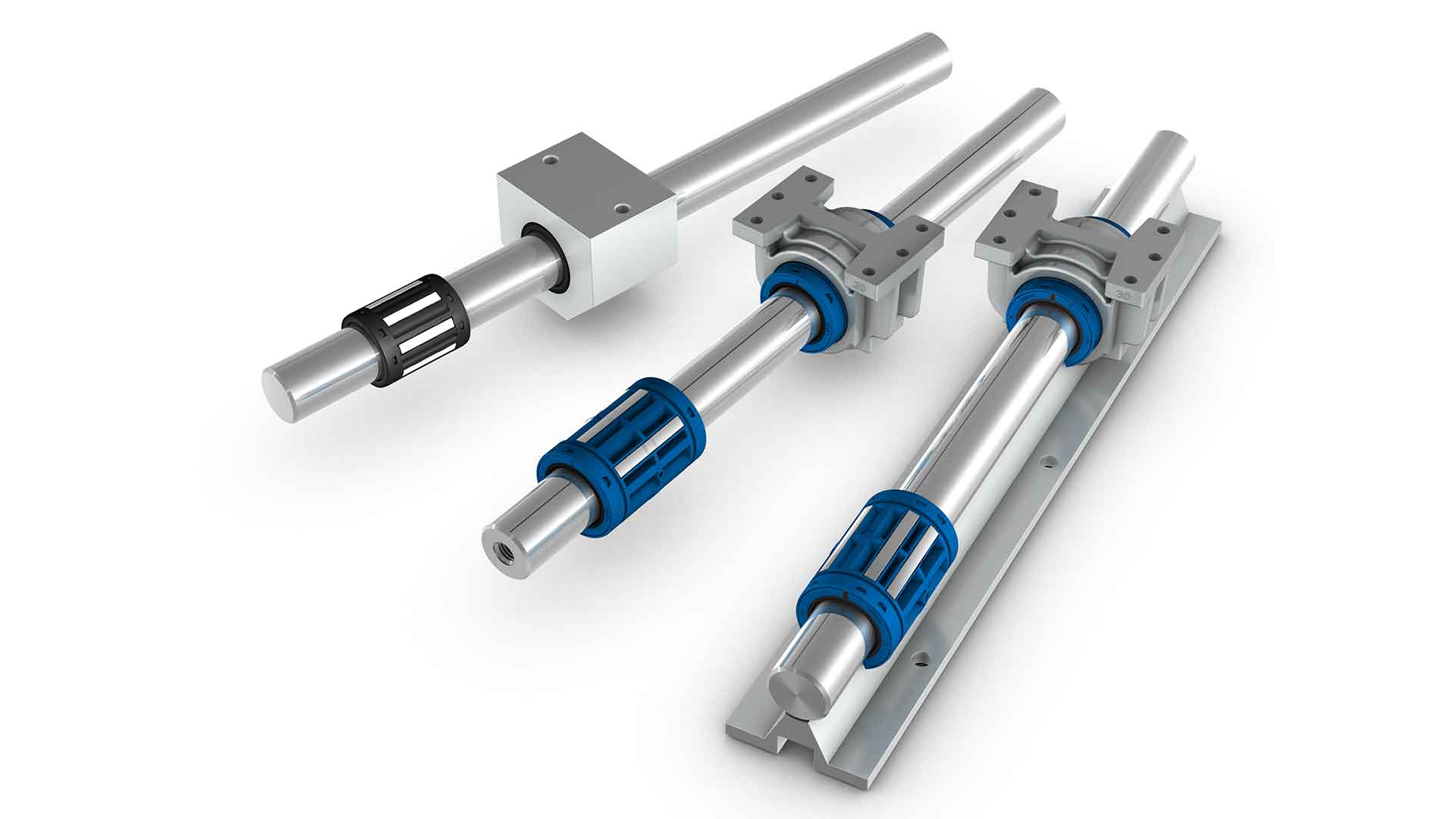
Role of Linear Bearings in Heavy Load and High Precision Applications
Linear bearings are essential components in applications that require the combined capabilities of handling heavy loads and maintaining high precision. They serve a critical role in such scenarios:
- Heavy Load Handling:
Linear bearings are designed to support and guide heavy loads along a linear path. They distribute the weight evenly, reducing friction and wear on the moving components and ensuring smooth and stable movement.
- Precision Motion Control:
Linear bearings enable precise and accurate control over the motion of heavy loads. This precision is crucial in applications where components need to be positioned or moved with extremely fine tolerances.
- Reduced Friction:
Linear bearings are engineered to minimize friction between moving parts, even under heavy load conditions. This not only improves efficiency but also enhances the accuracy of movement.
- Smooth Movement:
Linear bearings provide smooth and consistent movement, ensuring that heavy loads can be guided and positioned without jarring or sudden stops. This is particularly important for applications requiring controlled and gentle motion.
- Reduced Wear and Maintenance:
By reducing friction and wear, linear bearings extend the operational lifespan of heavy-load equipment. This translates to lower maintenance requirements and longer intervals between servicing.
- Optimized Performance:
Linear bearings contribute to the overall performance of heavy-load systems by allowing them to operate smoothly, accurately, and reliably. This is critical in applications where precision and consistency are paramount.
- Wide Range of Industries:
Linear bearings find application in various industries, including manufacturing, aerospace, automotive, and heavy machinery, where heavy loads need to be moved with high precision.
Overall, linear bearings serve as a cornerstone in applications that demand the simultaneous management of heavy loads and precise movement. They ensure that heavy machinery and equipment can function efficiently and accurately while maintaining the safety and integrity of the entire system.
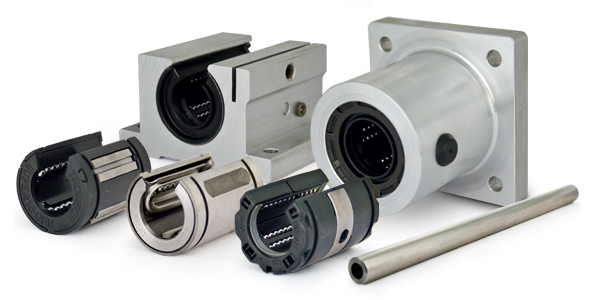
Design Principles and Functionalities of Linear Bearings
Linear bearings are designed with specific principles to facilitate controlled linear motion along a single axis. These design principles contribute to their functionalities, making them essential components in various applications:
- Rolling Elements:
Linear bearings typically feature rolling elements, such as balls or rollers, that move along a track or rail. These rolling elements reduce friction and enable smooth linear motion.
- Guiding Mechanism:
Linear bearings incorporate a guiding mechanism to constrain the motion to a single axis. This guiding mechanism ensures that the linear bearing moves precisely along the desired path.
- Load Distribution:
The design of linear bearings allows for effective distribution of loads, both in the radial and axial directions. This load distribution ensures stability and prevents excessive stress on individual components.
- Rail or Track:
Linear bearings typically run along a rail or track that provides a smooth and accurate path for the rolling elements. The rail is designed to resist wear and maintain its precision over time.
- Cage or Carriage:
Linear bearings use a cage or carriage to house the rolling elements and maintain their proper spacing. This arrangement ensures even load distribution and smooth movement.
- Sealing and Lubrication:
Linear bearings often incorporate sealing mechanisms to protect the rolling elements from contaminants and to retain lubrication. Proper lubrication ensures smooth motion and extends the bearing’s lifespan.
- Mounting Options:
Linear bearings are designed to be mounted in various ways, depending on the application’s requirements. Mounting options include flange-mounted, base-mounted, or end-supported configurations.
- Adjustability:
Many linear bearings are designed with provisions for adjustment, allowing users to fine-tune the preload or clearance to optimize performance and minimize play.
- Materials:
Linear bearings are constructed from materials that offer high wear resistance, durability, and corrosion resistance. Common materials include steel, stainless steel, and various engineering plastics.
- Accessories:
Accessories such as end caps, seals, and lubrication systems can enhance the functionality and lifespan of linear bearings by providing protection and ensuring proper maintenance.
Functionalities of linear bearings include providing precise linear motion, guiding components along a defined path, minimizing friction, distributing loads, and maintaining stability. The design principles ensure reliable operation and make linear bearings indispensable in applications requiring controlled and accurate linear motion.


editor by CX 2024-04-23