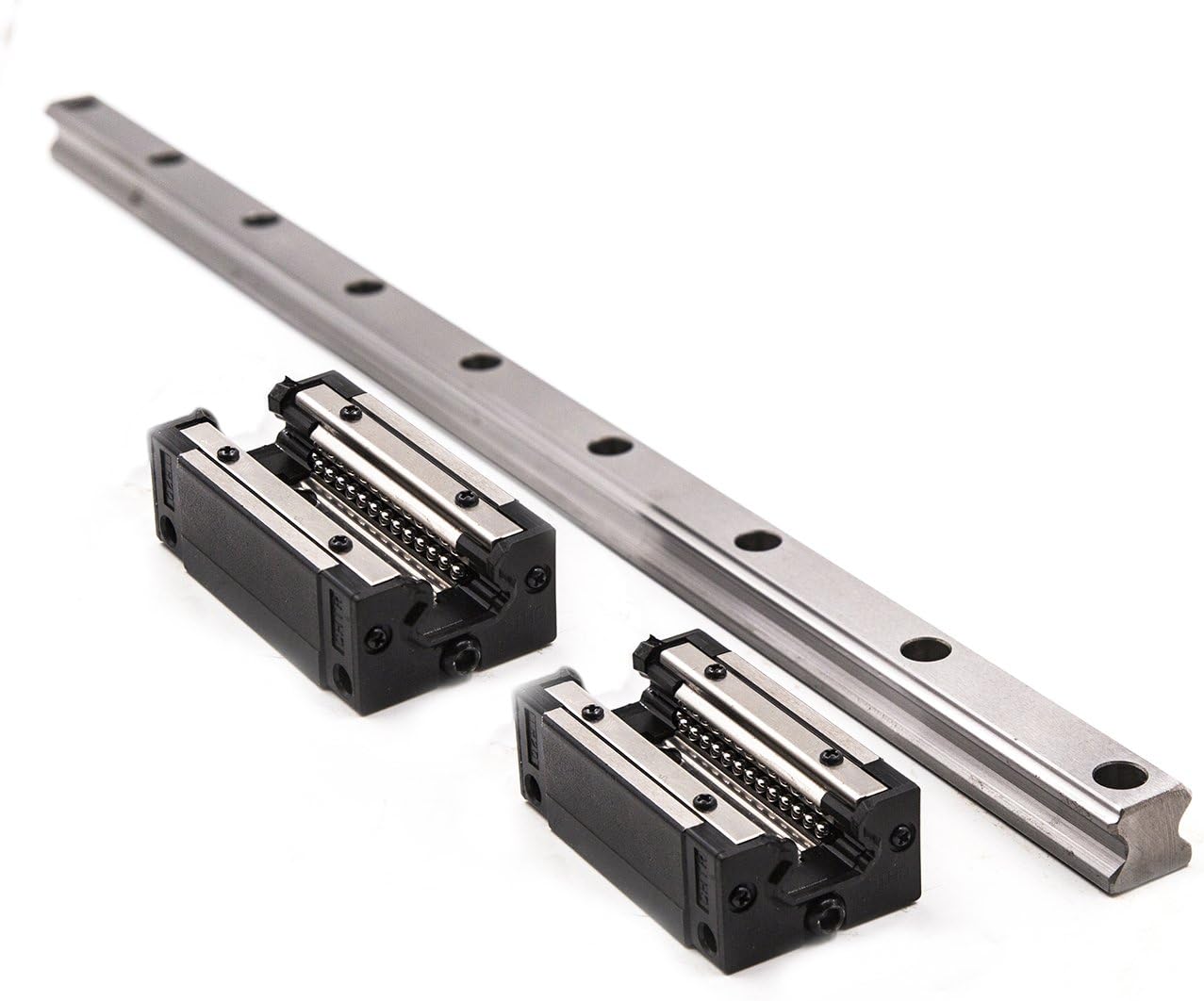
Signs of Wear or Damage in Linear Bearings and Maintenance
Identifying signs of wear or damage in linear bearings is essential for maintaining their performance and preventing costly failures. Here are common signs of wear and damage and how to address them:
- 1. Increased Friction:
If you notice increased resistance during linear motion, it could indicate that the bearing components are wearing out. This can lead to reduced efficiency and accuracy.
- Solution: Regular Lubrication:
Ensure proper lubrication of the bearings to minimize friction and prevent premature wear. Follow manufacturer recommendations for lubrication intervals and types.
- 2. Uneven Movement:
If the linear motion becomes uneven, jerky, or experiences sudden stops, it may be due to damaged bearing components.
- Solution: Inspection and Replacement:
Inspect the bearings and associated components for any signs of damage, such as dents or cracks. Replace any damaged parts to restore smooth motion.
- 3. Abnormal Noise:
Unusual noises during linear motion, such as grinding or clicking sounds, can indicate friction and wear within the bearings.
- Solution: Lubrication and Inspection:
Lubricate the bearings as recommended and inspect for any foreign particles or debris that might be causing the noise. Clean and replace components if necessary.
- 4. Increased Play or Clearance:
If there is noticeable play or excessive clearance in the linear system, it can affect precision and lead to inaccuracies.
- Solution: Adjustment or Replacement:
Check for loose bolts, misalignment, or worn components causing the play. Make necessary adjustments or replace worn parts to restore proper fit and function.
- 5. Reduced Performance:
If your linear system is no longer achieving the desired accuracy or performance, it could be due to worn bearings.
- Solution: Maintenance and Replacement:
Regularly perform maintenance tasks, such as cleaning, lubrication, and inspection. If performance does not improve, consider replacing the bearings with new ones.
- 6. Visible Damage:
Any visible signs of physical damage, such as deformation, corrosion, or cracks, require immediate attention.
- Solution: Replacement:
If the damage is severe, replace the damaged bearings promptly to avoid further issues.
Regular maintenance practices, including proper lubrication, cleaning, and inspection, are crucial for preventing wear and damage in linear bearings. Addressing any signs of wear early can extend the lifespan of the bearings and ensure consistent performance in various applications.
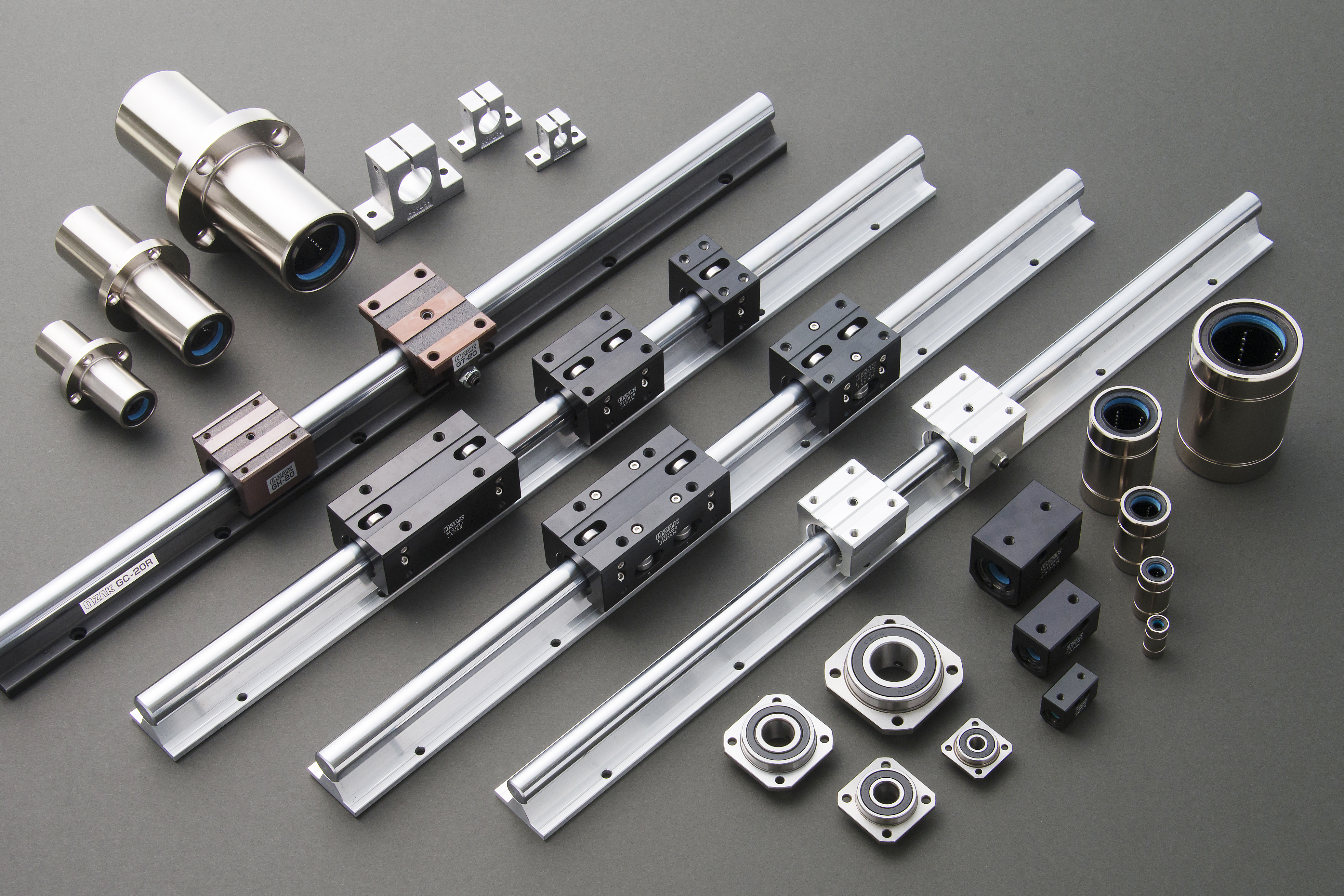
Enhancing 3D Printers and Additive Manufacturing with Linear Bearings
Linear bearings play a crucial role in the efficient and precise operation of 3D printers and additive manufacturing processes. Here’s how they contribute to these technologies:
- Precise Motion Control:
Linear bearings provide smooth and accurate linear motion control, ensuring precise positioning of the print head or build platform. This precision is essential for creating intricate and detailed 3D printed objects.
- High Repeatability:
Linear bearings offer high repeatability, enabling the printer to consistently recreate complex geometries layer by layer. This is crucial for producing parts with consistent quality and dimensions.
- Reduced Vibration and Wobble:
The smooth motion provided by linear bearings minimizes vibrations and wobbling during printing, leading to smoother surface finishes and improved print quality.
- High-Speed Printing:
Linear bearings can handle high speeds, allowing 3D printers to operate at faster print speeds without sacrificing accuracy. This is beneficial for reducing overall print time.
- Compact Design:
Many linear bearings have a compact and space-efficient design, which is important for fitting within the confined spaces of 3D printers while maintaining the required range of motion.
- Low Friction and Wear:
Linear bearings are designed to minimize friction and wear, leading to longer lifespan and reduced maintenance requirements. This is especially important in additive manufacturing where continuous operation is desired.
- Smooth Layer-by-Layer Building:
In additive manufacturing, linear bearings enable precise movement of the build platform or print head, ensuring that each layer is accurately aligned and built upon the previous layer.
- Complex Geometries:
Linear bearings enable 3D printers to create complex and intricate geometries that require precise control over the movement of the print head and build platform.
Overall, linear bearings contribute to the success of 3D printing and additive manufacturing by providing the necessary motion control, precision, and reliability needed to create high-quality and intricate 3D printed objects.
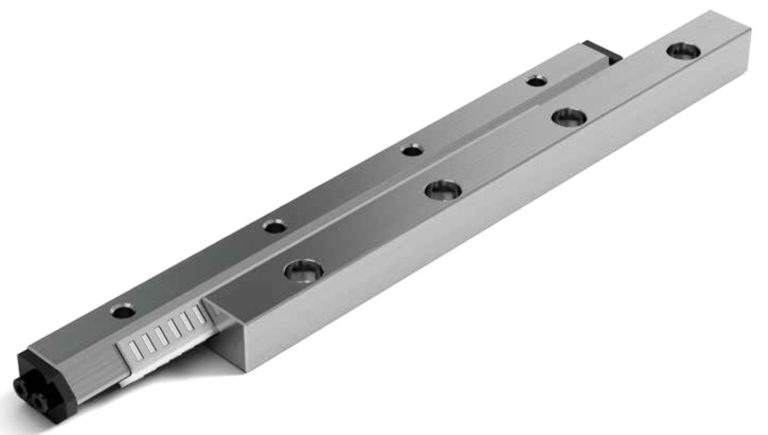
Factors to Consider When Selecting a Linear Bearing
Choosing the right linear bearing for a specific application involves considering several critical factors to ensure optimal performance and longevity:
- Load Requirements:
Determine the magnitude and direction of the loads the linear bearing will experience. Consider both static and dynamic loads to select a bearing with an appropriate load capacity.
- Precision and Accuracy:
For applications requiring precise positioning, choose linear bearings with high precision and low backlash. Factors like repeatability and positional accuracy are crucial.
- Speed and Acceleration:
Consider the speed and acceleration at which the linear bearing will operate. Higher speeds may require bearings with lower friction and better heat dissipation.
- Environmental Conditions:
Assess the environmental factors such as temperature, humidity, and exposure to contaminants. Choose linear bearings with suitable materials and seals to withstand the conditions.
- Space Constraints:
Take into account the available space for mounting the linear bearing. Some applications may have limited space, necessitating compact and lightweight bearing options.
- Maintenance Requirements:
Consider the maintenance needs of the bearing. Bearings with self-lubricating properties or easy access for lubrication can reduce maintenance frequency.
- Mounting and Configuration:
Choose a linear bearing that can be easily mounted and integrated into your system’s design. Consider factors like mounting orientation and available mounting surfaces.
- Life Expectancy:
Estimate the expected lifespan of the linear bearing based on the application’s requirements. Select a bearing with a suitable design life to prevent premature failures.
- Cost and Budget:
Balance the desired performance with the available budget. Opt for linear bearings that provide the necessary features without exceeding cost limitations.
- Accessories and Add-ons:
Consider any additional accessories or add-ons, such as seals, lubrication systems, or end caps, that can enhance the bearing’s performance and protection.
- Manufacturer and Supplier:
Choose reputable manufacturers and suppliers that offer reliable products and good customer support. Quality assurance and technical assistance are essential.
Overall, a comprehensive assessment of these factors will help you select the most suitable linear bearing for your specific application, ensuring optimal performance, longevity, and cost-effectiveness.


editor by CX 2024-04-23