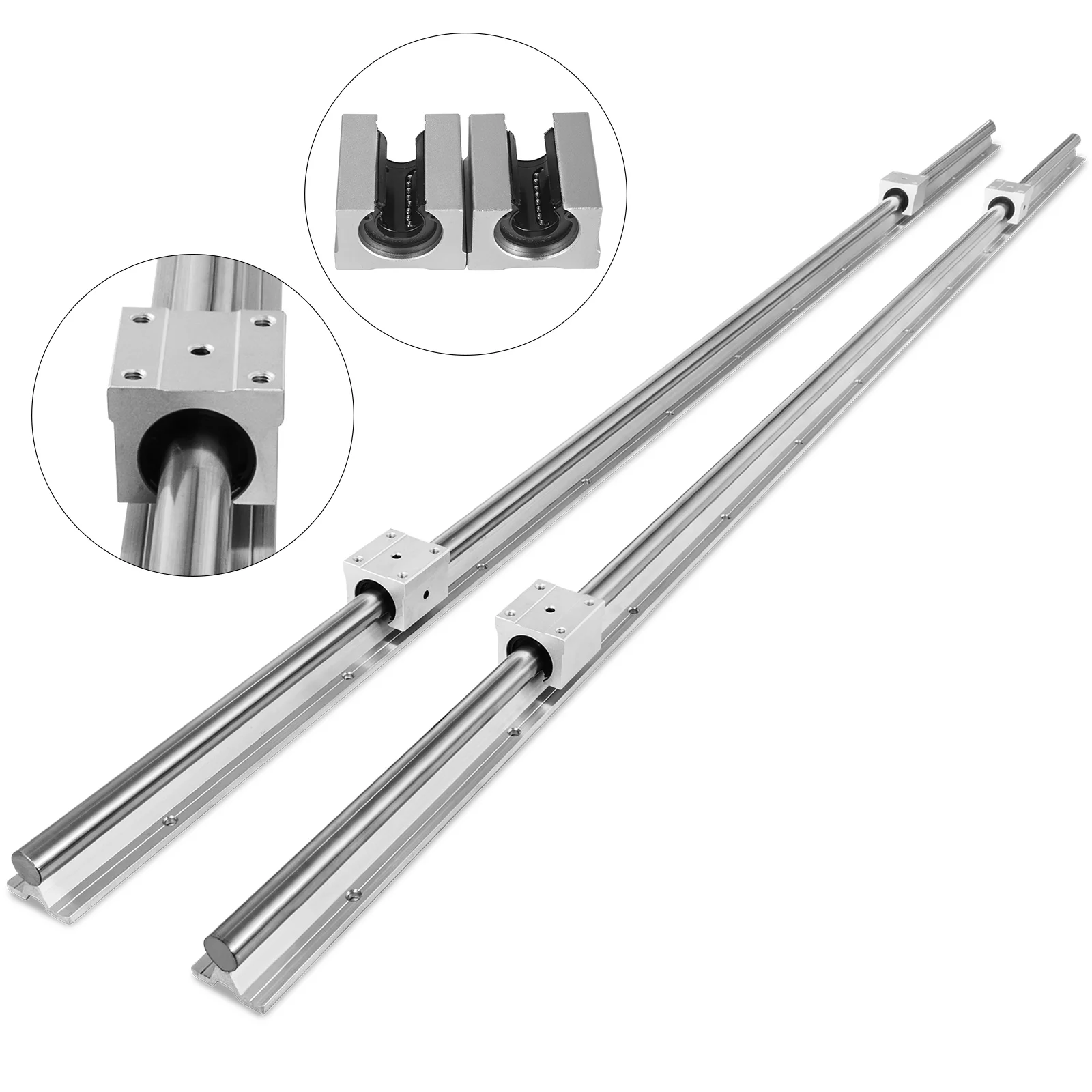
Contribution of Linear Bearings to CNC Machining Efficiency and Accuracy
Linear bearings play a crucial role in enhancing the efficiency and accuracy of Computer Numerical Control (CNC) machining processes. Here’s how they contribute:
- 1. Enhanced Precision:
Linear bearings provide smooth and precise linear motion along machine axes. This precision is essential for achieving tight tolerances and accurate dimensions in machined parts.
- 2. Reduced Friction and Wear:
Low friction in linear bearings minimizes energy loss and heat generation during movement. This reduces wear on the components and extends the lifespan of the machine, resulting in consistent performance over time.
- 3. Smooth Motion Control:
Linear bearings enable controlled and predictable motion, allowing CNC machines to execute complex tool paths with smooth transitions. This is crucial for producing intricate shapes and achieving high-quality surface finishes.
- 4. Minimized Vibration and Noise:
The smooth operation of linear bearings reduces vibration and noise levels during machining. This is especially important for maintaining a stable machining environment and producing parts with minimal surface imperfections.
- 5. Rapid Traverse Speeds:
Linear bearings facilitate rapid movements of machine components between machining operations. This increases the efficiency of the machining process, reducing cycle times and increasing overall productivity.
- 6. High Acceleration and Deceleration:
Linear bearings allow CNC machines to accelerate and decelerate rapidly without sacrificing precision. This capability is advantageous for optimizing machining time while maintaining accuracy.
- 7. Improved Repeatability:
Linear bearings ensure consistent and repeatable motion, resulting in parts that match design specifications precisely across multiple production runs.
- 8. Flexibility in Design:
Linear bearings enable the design of compact and space-efficient CNC machines. Their small footprint allows for more efficient use of manufacturing floor space.
In summary, linear bearings significantly enhance CNC machining by providing accurate, smooth, and controlled motion. This translates into higher precision, reduced wear, improved surface finishes, and increased productivity. Whether it’s milling, turning, or other CNC processes, linear bearings are essential for achieving the level of accuracy and efficiency demanded by modern manufacturing.
Advancements in Linear Bearing Technology
Recent years have witnessed significant advancements in linear bearing technology, leading to improved performance and expanded applications. Some notable advancements include:
- Rolling Element Innovations:
Manufacturers are introducing new types of rolling elements, such as ceramic balls and specialized coatings, to enhance load capacity, reduce friction, and extend the lifespan of linear bearings.
- Lubrication Solutions:
Advanced lubrication techniques, including self-lubricating materials and greases with extended lifetimes, are being developed to optimize the performance of linear bearings while reducing maintenance needs.
- Smart and Sensor-Integrated Bearings:
Linear bearings with built-in sensors provide real-time data on temperature, vibration, and wear. This enables predictive maintenance, early fault detection, and optimization of bearing performance.
- Improved Corrosion Resistance:
New materials and coatings are being employed to enhance the corrosion resistance of linear bearings. This is particularly beneficial in environments where exposure to moisture and corrosive substances is a concern.
- Reduced Friction and Energy Consumption:
Advanced engineering and design techniques are leading to lower friction coefficients and reduced energy consumption in linear bearings. This not only improves efficiency but also contributes to sustainability efforts.
- High-Speed Capabilities:
Linear bearings capable of operating at higher speeds are being developed to meet the demands of applications requiring rapid and precise movements, such as in the semiconductor and electronics industries.
- Enhanced Sealing and Contaminant Management:
New sealing technologies are being employed to provide better protection against contaminants and debris. This is critical for applications where cleanliness is paramount.
- Integration with Industry 4.0:
Linear bearings are increasingly designed to be compatible with Industry 4.0 principles, allowing them to be integrated into digital manufacturing and automation systems for improved overall efficiency.
- Material Advancements:
Novel materials with improved mechanical properties, wear resistance, and temperature tolerance are being used in the production of linear bearings, expanding their operating capabilities.
These recent advancements in linear bearing technology are enabling industries to achieve higher levels of precision, efficiency, reliability, and predictive maintenance, making linear bearings an essential component of modern machinery and systems.
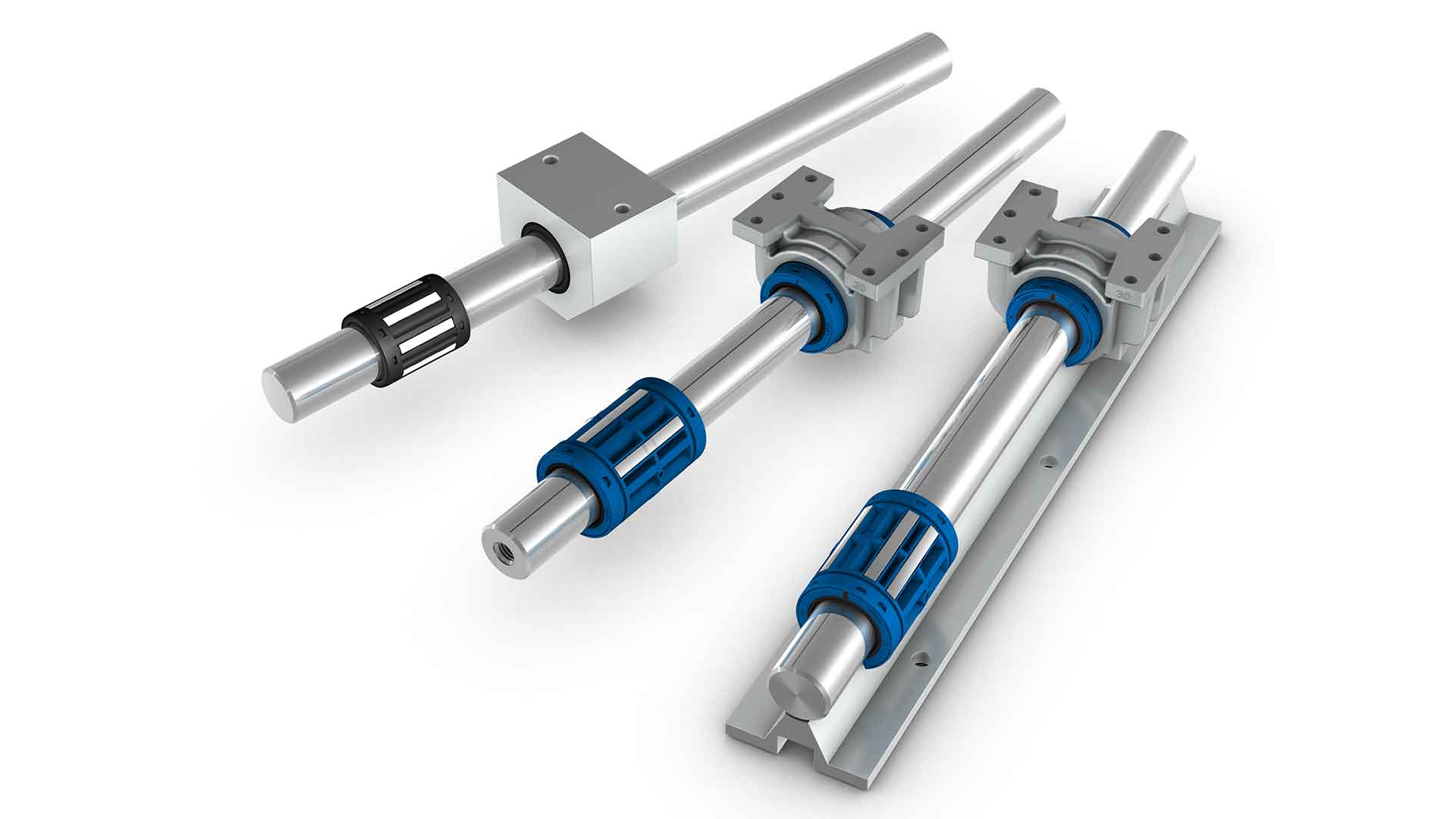
Examples of Crucial Motion Control Scenarios Using Linear Bearings
Linear bearings are crucial for achieving precise motion control in various scenarios where accuracy, repeatability, and smooth movement are essential. Here are some examples:
- 1. CNC Machining:
In computer numerical control (CNC) machines, linear bearings enable precise movement of the cutting tool or workpiece along multiple axes. This accuracy is necessary to produce complex and intricate parts with tight tolerances.
- 2. Semiconductor Manufacturing:
In semiconductor fabrication equipment, linear bearings control the movement of wafers, masks, and other components with micron-level precision. This precision is vital for creating tiny circuits and microchips.
- 3. 3D Printing:
In 3D printers, linear bearings ensure accurate positioning of the print head and build platform. This accuracy is crucial for creating intricate and detailed 3D-printed objects.
- 4. Laser Cutting and Engraving:
Linear bearings are used in laser cutting and engraving machines to control the movement of the laser head. Precise motion ensures accurate cutting and engraving on various materials.
- 5. Microscopy:
In microscopy applications, linear bearings enable precise positioning of microscope stages and objectives. This accuracy is essential for capturing detailed images and conducting precise measurements.
- 6. Metrology and Inspection:
Linear bearings are crucial in metrology and inspection equipment for accurately measuring and inspecting parts. This ensures compliance with quality standards and specifications.
- 7. Optical Systems:
In optical systems, linear bearings control the movement of lenses, mirrors, and other optical components. Precise motion is essential for maintaining accurate focus and alignment.
- 8. Coordinate Measuring Machines (CMMs):
Linear bearings in CMMs allow accurate measurement of parts’ dimensions and geometries. Precise motion ensures reliable measurement results.
- 9. Aerospace and Defense Testing:
In aerospace and defense industries, linear bearings are used in testing equipment to simulate various conditions. Accurate motion control is crucial for testing components’ performance and durability.
These examples highlight the critical role of linear bearings in achieving precise motion control across industries. Whether in manufacturing, research, or testing, linear bearings ensure accurate and repeatable movement for optimal results.


editor by CX 2024-04-17