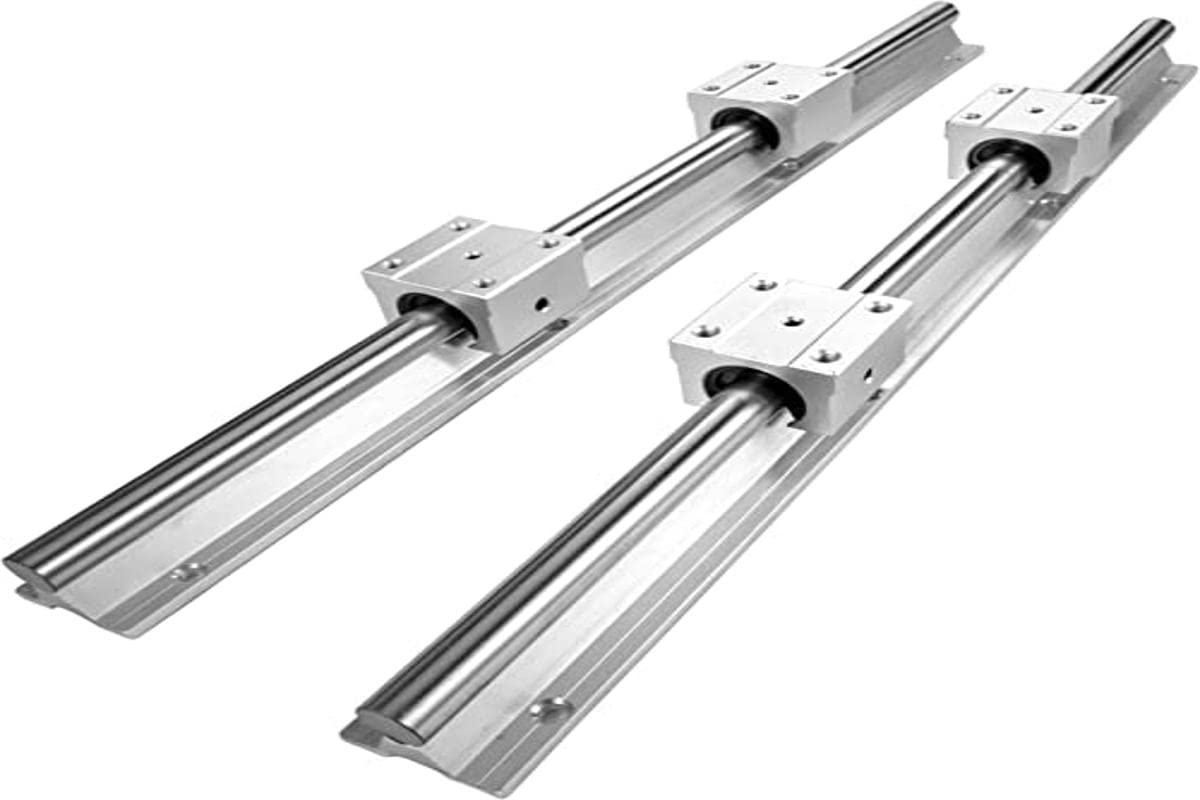
Prolonging the Life of Linear Bearings Through Maintenance Practices
Implementing proper maintenance practices is essential to extend the lifespan of linear bearings and ensure their optimal performance. Here are specific maintenance practices that can help:
- 1. Regular Lubrication:
Ensure that linear bearings are properly lubricated as recommended by the manufacturer. Adequate lubrication minimizes friction, reduces wear, and prevents premature failure.
- 2. Cleaning:
Regularly clean the linear bearing components to remove dirt, debris, and contaminants. Keeping the bearings clean reduces the risk of abrasive particles causing damage.
- 3. Inspection:
Periodically inspect linear bearings for signs of wear, damage, or misalignment. Look for uneven wear patterns, visible damage, or any unusual behavior during motion.
- 4. Alignment:
Ensure proper alignment of the linear components to prevent excessive stress on the bearings. Misalignment can lead to premature wear and reduced lifespan.
- 5. Proper Handling:
Handle linear bearings with care during installation and maintenance. Avoid dropping or impacting the bearings, which can cause internal damage.
- 6. Load Distribution:
Distribute loads evenly across multiple linear bearings if applicable. This prevents overloading individual bearings and extends their life.
- 7. Environmental Considerations:
Protect linear bearings from harsh environments, extreme temperatures, and corrosive substances. Use appropriate seals and enclosures to prevent contamination.
- 8. Regular Maintenance Schedule:
Create a maintenance schedule based on usage and manufacturer recommendations. Consistent maintenance helps identify issues early and prevents unexpected failures.
- 9. Proper Storage:
Store spare linear bearings in a clean and dry environment. Avoid exposure to moisture and dust, which can damage the bearings over time.
- 10. Consult Manufacturer Guidelines:
Follow the manufacturer’s guidelines and recommendations for maintenance, lubrication, and replacement intervals specific to the linear bearings you are using.
By implementing these maintenance practices, you can significantly prolong the life of linear bearings, reduce downtime, and ensure optimal performance in various applications.
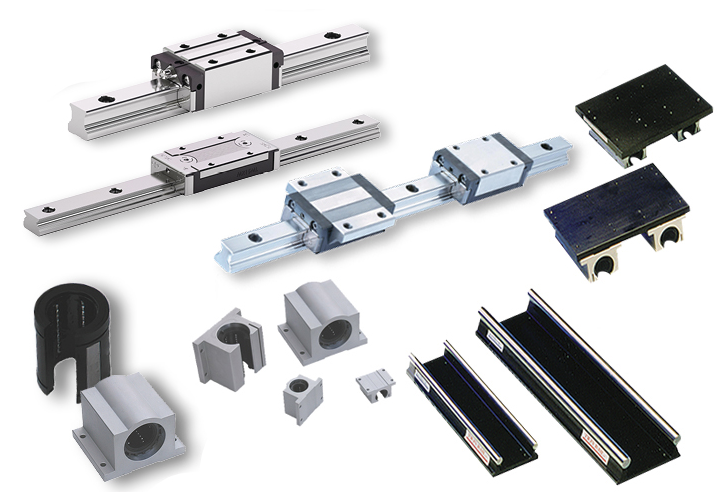
Contribution of Linear Bearings to Smooth Movement of Conveyors and Slides
Linear bearings play a crucial role in ensuring the smooth movement and operation of industrial conveyors and linear slides. Their contributions are as follows:
- Reduced Friction:
Linear bearings are designed to minimize friction between moving components, facilitating smooth motion of conveyors and linear slides. This reduces wear and tear, energy consumption, and the need for frequent maintenance.
- Precision Movement:
Linear bearings enable precise positioning and controlled movement. This precision is vital for conveyors and slides that require accurate placement of materials, products, or components.
- Stability and Load Distribution:
Linear bearings distribute loads evenly across the bearing surface, enhancing stability and preventing uneven wear. This is especially important for conveyors that handle varying loads and linear slides that support heavy components.
- Quiet and Vibration-Free Operation:
Linear bearings contribute to quiet and vibration-free operation. This is crucial in environments where noise reduction and minimal vibrations are essential for the comfort of operators and the integrity of products.
- Efficient Energy Transfer:
Linear bearings ensure efficient energy transfer by reducing energy losses due to friction. This efficiency is particularly beneficial in systems where multiple conveyors or slides are connected, improving overall system performance.
- Longevity and Reliability:
Linear bearings enhance the longevity and reliability of conveyors and slides by reducing wear on moving parts. This results in extended operational lifespans and reduced downtime for maintenance.
- Flexibility and Customization:
Linear bearings come in various designs and sizes, allowing for customization to suit specific conveyor or slide requirements. This adaptability is valuable for accommodating different loads and motion profiles.
- Wide Range of Industries:
Linear bearings find application in industries such as manufacturing, logistics, packaging, and material handling, where conveyors and linear slides are essential components of the workflow.
In summary, linear bearings contribute significantly to the efficient, precise, and reliable movement of industrial conveyors and linear slides. Their ability to reduce friction, ensure stability, and support heavy loads enhances the overall performance of these systems.
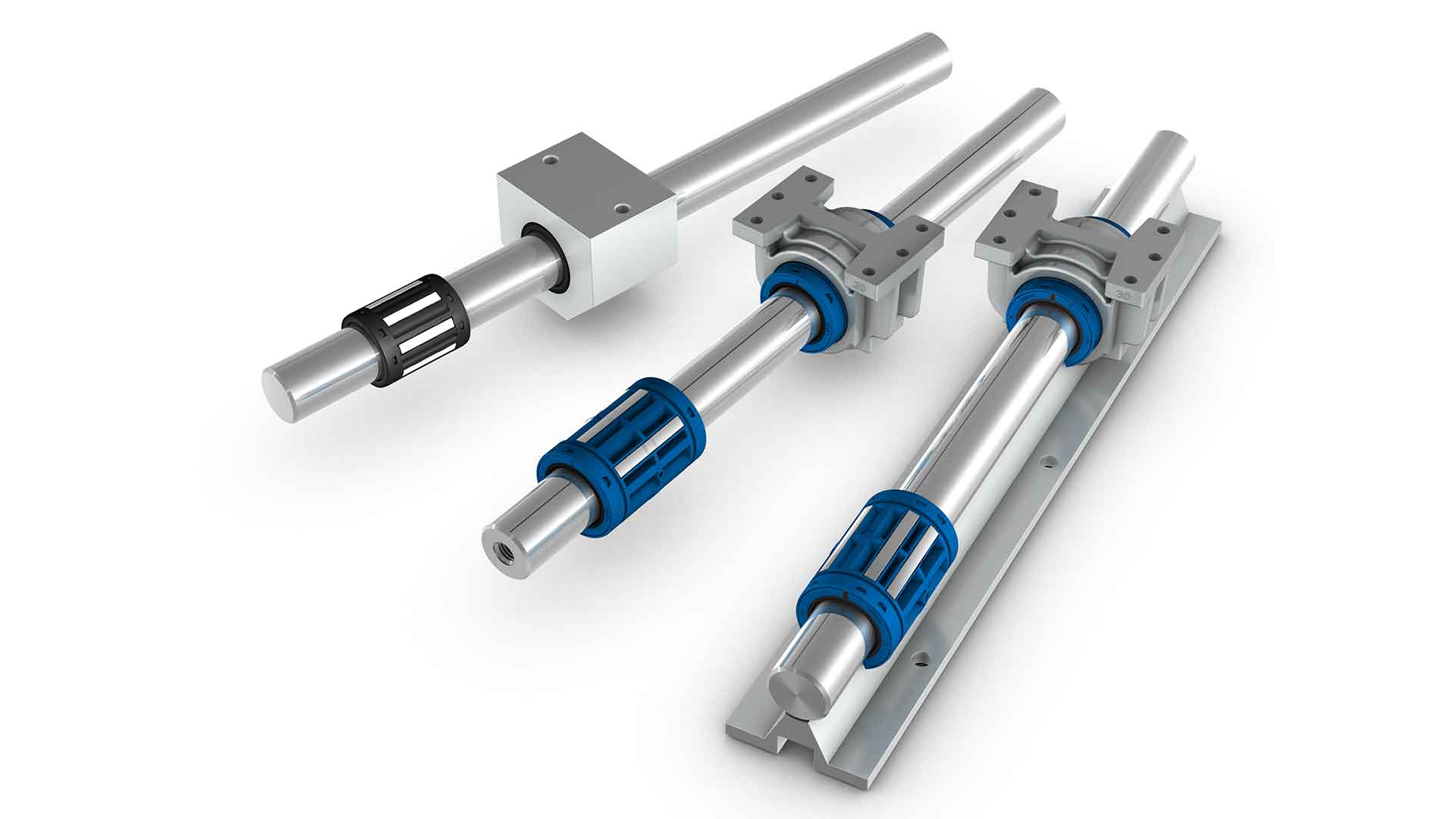
Examples of Crucial Motion Control Scenarios Using Linear Bearings
Linear bearings are crucial for achieving precise motion control in various scenarios where accuracy, repeatability, and smooth movement are essential. Here are some examples:
- 1. CNC Machining:
In computer numerical control (CNC) machines, linear bearings enable precise movement of the cutting tool or workpiece along multiple axes. This accuracy is necessary to produce complex and intricate parts with tight tolerances.
- 2. Semiconductor Manufacturing:
In semiconductor fabrication equipment, linear bearings control the movement of wafers, masks, and other components with micron-level precision. This precision is vital for creating tiny circuits and microchips.
- 3. 3D Printing:
In 3D printers, linear bearings ensure accurate positioning of the print head and build platform. This accuracy is crucial for creating intricate and detailed 3D-printed objects.
- 4. Laser Cutting and Engraving:
Linear bearings are used in laser cutting and engraving machines to control the movement of the laser head. Precise motion ensures accurate cutting and engraving on various materials.
- 5. Microscopy:
In microscopy applications, linear bearings enable precise positioning of microscope stages and objectives. This accuracy is essential for capturing detailed images and conducting precise measurements.
- 6. Metrology and Inspection:
Linear bearings are crucial in metrology and inspection equipment for accurately measuring and inspecting parts. This ensures compliance with quality standards and specifications.
- 7. Optical Systems:
In optical systems, linear bearings control the movement of lenses, mirrors, and other optical components. Precise motion is essential for maintaining accurate focus and alignment.
- 8. Coordinate Measuring Machines (CMMs):
Linear bearings in CMMs allow accurate measurement of parts’ dimensions and geometries. Precise motion ensures reliable measurement results.
- 9. Aerospace and Defense Testing:
In aerospace and defense industries, linear bearings are used in testing equipment to simulate various conditions. Accurate motion control is crucial for testing components’ performance and durability.
These examples highlight the critical role of linear bearings in achieving precise motion control across industries. Whether in manufacturing, research, or testing, linear bearings ensure accurate and repeatable movement for optimal results.


editor by CX 2024-04-26