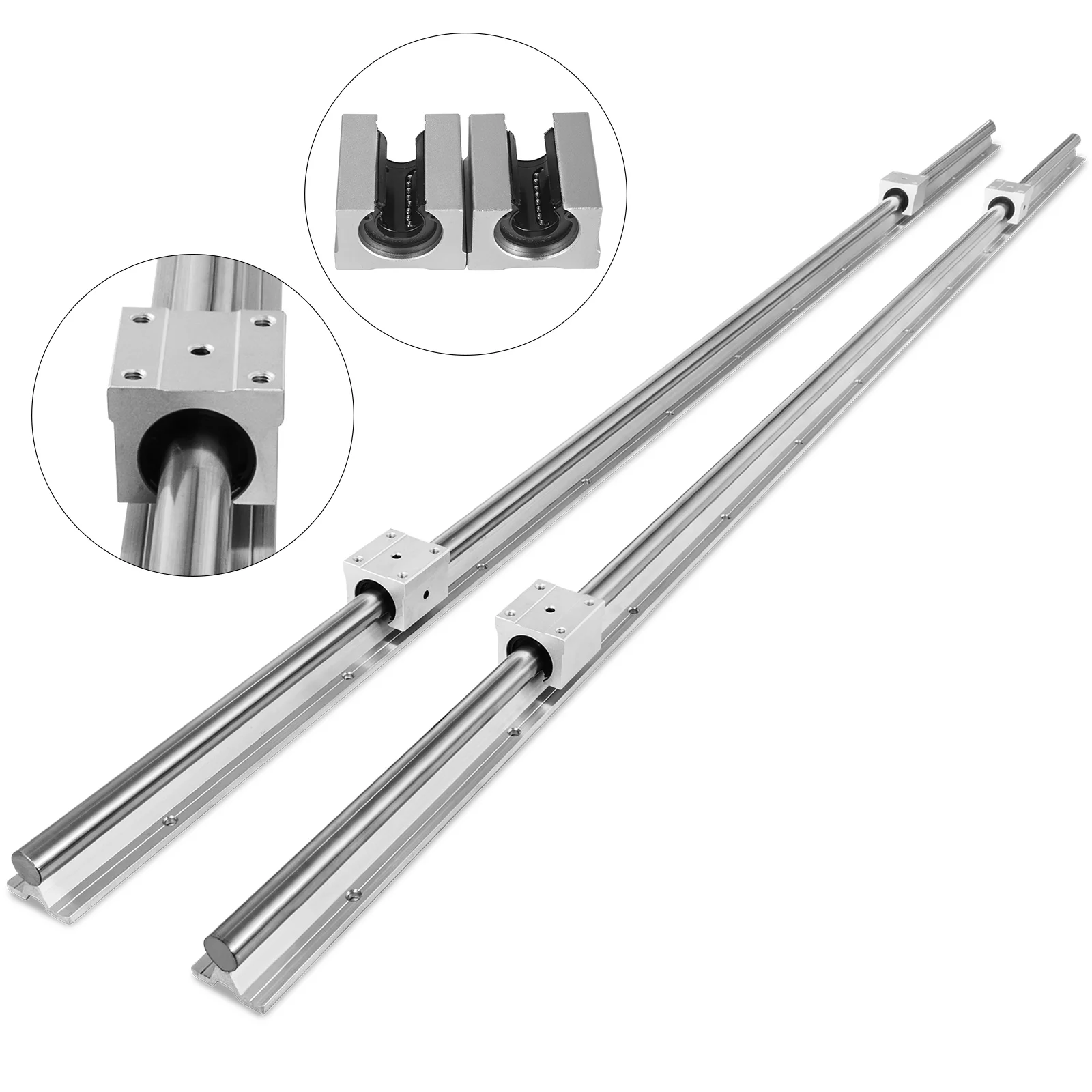
Contribution of Linear Bearings to CNC Machining Efficiency and Accuracy
Linear bearings play a crucial role in enhancing the efficiency and accuracy of Computer Numerical Control (CNC) machining processes. Here’s how they contribute:
- 1. Enhanced Precision:
Linear bearings provide smooth and precise linear motion along machine axes. This precision is essential for achieving tight tolerances and accurate dimensions in machined parts.
- 2. Reduced Friction and Wear:
Low friction in linear bearings minimizes energy loss and heat generation during movement. This reduces wear on the components and extends the lifespan of the machine, resulting in consistent performance over time.
- 3. Smooth Motion Control:
Linear bearings enable controlled and predictable motion, allowing CNC machines to execute complex tool paths with smooth transitions. This is crucial for producing intricate shapes and achieving high-quality surface finishes.
- 4. Minimized Vibration and Noise:
The smooth operation of linear bearings reduces vibration and noise levels during machining. This is especially important for maintaining a stable machining environment and producing parts with minimal surface imperfections.
- 5. Rapid Traverse Speeds:
Linear bearings facilitate rapid movements of machine components between machining operations. This increases the efficiency of the machining process, reducing cycle times and increasing overall productivity.
- 6. High Acceleration and Deceleration:
Linear bearings allow CNC machines to accelerate and decelerate rapidly without sacrificing precision. This capability is advantageous for optimizing machining time while maintaining accuracy.
- 7. Improved Repeatability:
Linear bearings ensure consistent and repeatable motion, resulting in parts that match design specifications precisely across multiple production runs.
- 8. Flexibility in Design:
Linear bearings enable the design of compact and space-efficient CNC machines. Their small footprint allows for more efficient use of manufacturing floor space.
In summary, linear bearings significantly enhance CNC machining by providing accurate, smooth, and controlled motion. This translates into higher precision, reduced wear, improved surface finishes, and increased productivity. Whether it’s milling, turning, or other CNC processes, linear bearings are essential for achieving the level of accuracy and efficiency demanded by modern manufacturing.
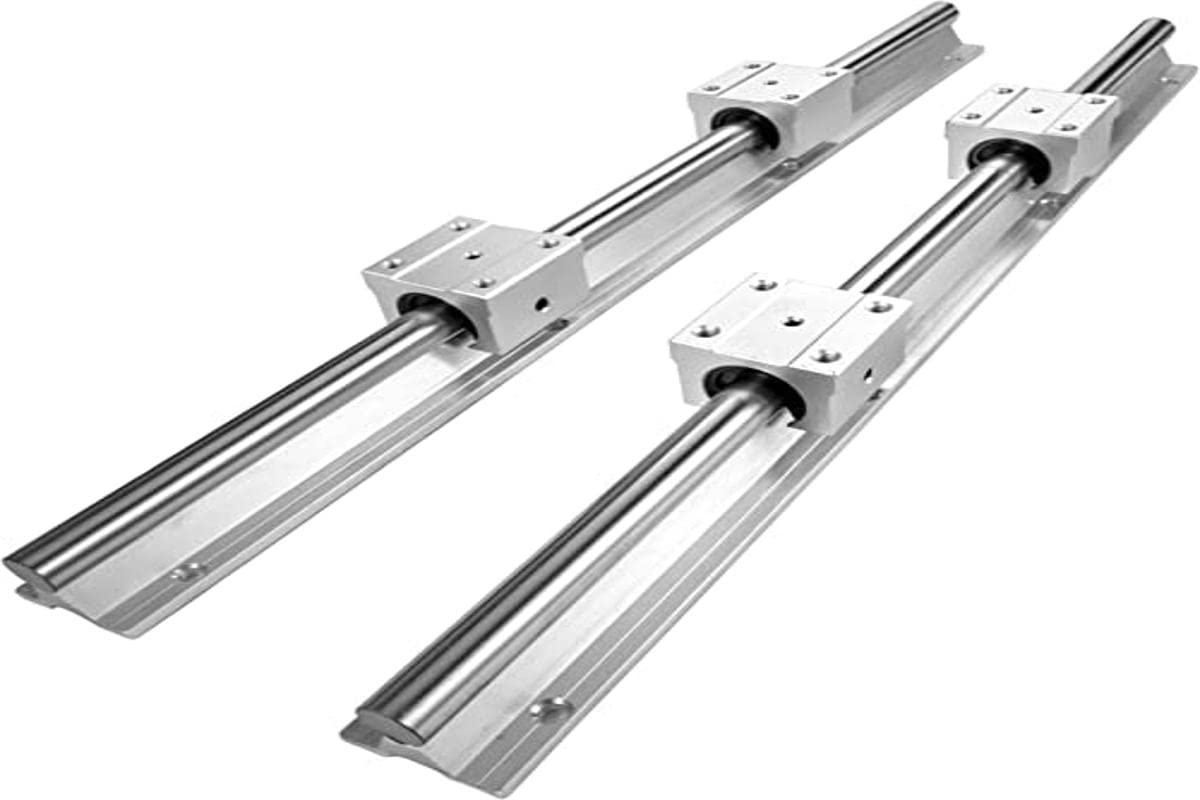
Recent Advancements in Linear Bearing Technology
Recent years have seen significant advancements in linear bearing technology, leading to improved performance, reliability, and versatility. Some notable developments include:
- Nanotechnology: The integration of nanotechnology has allowed for the development of ultra-precision linear bearings with nanometer-scale accuracy. These bearings are ideal for applications requiring extremely fine movement and positioning.
- Smart Bearings: Advances in sensor technology have enabled the creation of smart linear bearings that can monitor parameters like temperature, load, and vibration in real time. This data helps in predictive maintenance and optimizing operational efficiency.
- Materials Innovation: New materials with enhanced properties, such as self-lubricating and corrosion-resistant coatings, have extended the lifespan of linear bearings and reduced the need for frequent lubrication and maintenance.
- Compact Designs: Manufacturers are designing more compact linear bearings to suit space-constrained applications while maintaining high load capacity and precision.
- Environmental Sustainability: There’s a growing emphasis on developing linear bearings with reduced environmental impact, including using eco-friendly materials and designs that require less energy to operate.
- Integration of IoT: Linear bearings are being integrated into the Internet of Things (IoT) networks, allowing them to communicate with other equipment and systems for seamless automation and optimization.
- Magnetic Levitation Bearings: Magnetic levitation (maglev) technology is being applied to linear bearings to create frictionless movement, reducing wear and enabling smoother and more precise motion.
- Advanced Coatings: Coatings with enhanced wear resistance, low friction, and improved thermal properties are being applied to linear bearings, extending their service life in challenging environments.
These advancements have contributed to the expanding range of applications where linear bearings can be used, from aerospace and automotive industries to medical devices and consumer electronics. As technology continues to evolve, linear bearings will play a crucial role in enabling more efficient and precise motion control across various sectors.
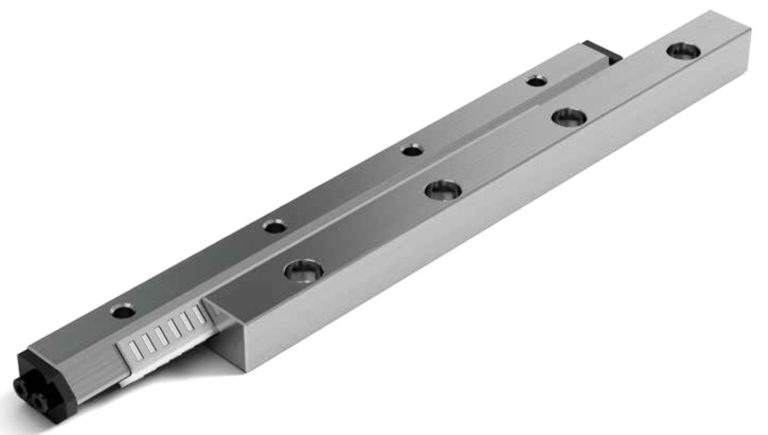
Factors to Consider When Selecting a Linear Bearing
Choosing the right linear bearing for a specific application involves considering several critical factors to ensure optimal performance and longevity:
- Load Requirements:
Determine the magnitude and direction of the loads the linear bearing will experience. Consider both static and dynamic loads to select a bearing with an appropriate load capacity.
- Precision and Accuracy:
For applications requiring precise positioning, choose linear bearings with high precision and low backlash. Factors like repeatability and positional accuracy are crucial.
- Speed and Acceleration:
Consider the speed and acceleration at which the linear bearing will operate. Higher speeds may require bearings with lower friction and better heat dissipation.
- Environmental Conditions:
Assess the environmental factors such as temperature, humidity, and exposure to contaminants. Choose linear bearings with suitable materials and seals to withstand the conditions.
- Space Constraints:
Take into account the available space for mounting the linear bearing. Some applications may have limited space, necessitating compact and lightweight bearing options.
- Maintenance Requirements:
Consider the maintenance needs of the bearing. Bearings with self-lubricating properties or easy access for lubrication can reduce maintenance frequency.
- Mounting and Configuration:
Choose a linear bearing that can be easily mounted and integrated into your system’s design. Consider factors like mounting orientation and available mounting surfaces.
- Life Expectancy:
Estimate the expected lifespan of the linear bearing based on the application’s requirements. Select a bearing with a suitable design life to prevent premature failures.
- Cost and Budget:
Balance the desired performance with the available budget. Opt for linear bearings that provide the necessary features without exceeding cost limitations.
- Accessories and Add-ons:
Consider any additional accessories or add-ons, such as seals, lubrication systems, or end caps, that can enhance the bearing’s performance and protection.
- Manufacturer and Supplier:
Choose reputable manufacturers and suppliers that offer reliable products and good customer support. Quality assurance and technical assistance are essential.
Overall, a comprehensive assessment of these factors will help you select the most suitable linear bearing for your specific application, ensuring optimal performance, longevity, and cost-effectiveness.


editor by CX 2024-04-09