Product Description
Linear bearing is a kind of linear motion system, used for linear stroke and cylindrical shaft. Because the load-bearing ball is in point contact with the bearing jacket, the steel ball rolls with the least frictional resistance. Therefore, the linear bearing has low friction, is relatively stable, does not change with the bearing speed, and can achieve smooth linear motion with high sensitivity and high accuracy.It is widely used in precision equipment or special machinery industries.
| MODEL | BALLS | WEIGHT [g] | DR [mm] | DRTOLERANCE | D [mm] | DTOLERANCE | L [mm] | LTOLERANCE | R [mm] | D1 [mm] | RR | C [kgf] | CO [kgf] |
| LM6NUU | 4 | 6.6 | 6 | 0 -0.009 | 12 | 0 -0.011 | 16 | 0 -0.20 | 1 | 11.4 | 0.012 | 11.3 | 15.5 |
| LM8NUU | 4 | 14.7 | 8 | 0 -0.009 | 15 | 0 -0.011 | 20 | 0 -0.20 | 1 | 14.4 | 0.012 | 15.5 | 22.6 |
| LM10NUU | 4 | 26.1 | 10 | 0 -0.009 | 19 | 0 -0.013 | 25 | 0 -0.20 | 1.2 | 18.2 | 0.012 | 25.4 | 35.9 |
| LM12NUU | 4 | 28.6 | 12 | 0 -0.009 | 21 | 0 -0.013 | 25 | 0 -0.20 | 1.2 | 20.2 | 0.012 | 31.7 | 40.7 |
| LM13NUU | 4 | 36.3 | 13 | 0 -0.009 | 23 | 0 -0.013 | 25 | 0 -0.20 | 1.2 | 22.2 | 0.012 | 32 | 41.3 |
| LM16NUU | 5 | 60 | 16 | 0 -0.009 | 28 | 0 -0.013 | 30 | 0 -0.20 | 1.5 | 27 | 0.012 | 58.2 | 72.4 |
| LM20NUU | 5 | 81.6 | 20 | 0 -0.571 | 32 | 0 -0.016 | 35 | 0 -0.20 | 1.5 | 31 | 0.015 | 77.7 | 103.4 |
| LM25NUU | 6 | 165 | 25 | 0 -0.571 | 40 | 0 -0.016 | 45 | 0 -0.30 | 1.5 | 39 | 0.015 | 86.2 | 153.2 |
| LM30NUU | 6 | 185 | 30 | 0 -0.571 | 45 | 0 -0.016 | 50 | 0 -0.30 | 1.5 | 44 | 0.015 | 112 | 198.5 |
| LM6NAUU | 4 | 6.6 | 6 | 0 -0.009 | 12 | 0 -0.011 | 16 | 0 -0.20 | 1 | 11.4 | 0.012 | 11.3 | 15.5 |
| LM8NAUU | 4 | 14.7 | 8 | 0 -0.009 | 15 | 0 -0.011 | 20 | 0 -0.20 | 1 | 14.4 | 0.012 | 15.5 | 22.6 |
| LM10NAUU | 4 | 26.1 | 10 | 0 -0.009 | 19 | 0 -0.013 | 25 | 0 -0.20 | 1.2 | 18.2 | 0.012 | 25.4 | 35.9 |
| LM12NAUU | 4 | 28.6 | 12 | 0 -0.009 | 21 | 0 -0.013 | 25 | 0 -0.20 | 1.2 | 20.2 | 0.012 | 31.7 | 40.7 |
| LM13NAUU | 4 | 36.3 | 13 | 0 -0.009 | 23 | 0 -0.013 | 25 | 0 -0.20 | 1.2 | 22.2 | 0.012 | 32 | 41.3 |
| LM16NAUU | 5 | 60 | 16 | 0 -0.009 | 28 | 0 -0.013 | 30 | 0 -0.20 | 1.5 | 27 | 0.012 | 58.2 | 72.4 |
| LM20NAUU | 5 | 81.6 | 20 | 0 -0.571 | 32 | 0 -0.016 | 35 | 0 -0.20 | 1.5 | 31 | 0.015 | 77.7 | 103.4 |
| LM25NAUU | 6 | 165 | 25 | 0 -0.571 | 40 | 0 -0.016 | 45 | 0 -0.30 | 1.5 | 39 | 0.015 | 86.2 | 153.2 |
| LM30NAUU | 6 | 185 | 30 | 0 -0.571 | 45 | 0 -0.016 | 50 | 0 -0.30 | 1.5 | 44 | 0.015 | 112 | 198.5 |
ZheJiang REET BEARING.CO.,LTD is a professional bearing manufacturer and exporter.We inspect bearing’s quality to ensure them performing exactly as specified. For example, Deep Groove Ball Bearings, Taper Roller Bearings, Cylindrical Roller Bearings, Spherical Roller Bearings, Pillow Block Bearings, etc. In addition to standard products, REET Bearing can also supply non-standard and modified standard products for special application. Meanwhile, it can also provide OEM service.
FAQ
1.Is the company a production factory or a trading company?
ZheJiang REET BEARING CO.,LTD is a manufacturing enterprise focusing on bearings and integrating research, production and sales.
2.How many the MOQ of your company?
Depending on the size of the bearing, the MOQ is variable, if you are interested, you can contact me for a quote.
3.Does the company accept OEM or customized bearings?
In addition to standard products, we also supply non-standard and modified standard products for special application. Meanwhile, we provide OEM service.
4.Can the company provide free samples?
We can provide samples for free. You only need to provide shipping.
5.What are the company’s delivery terms?
We can accept EXW,FOB,CFR,CIF,etc. You can choose the 1 which is the most convenient cost effective for you.
/* January 22, 2571 19:08:37 */!function(){function s(e,r){var a,o={};try{e&&e.split(“,”).forEach(function(e,t){e&&(a=e.match(/(.*?):(.*)$/))&&1
| Feature: | Vacuum, Magnetically, Low Temperature, Corrosion Resistant, High Temperature, High Speed |
|---|---|
| Function: | Ordinary |
| Flange Shape: | None |
| Shape: | Straight |
| Series: | LM |
| Material: | Bearing Steel |
| Samples: |
US$ 0.06/Piece
1 Piece(Min.Order) | |
|---|
| Customization: |
Available
| Customized Request |
|---|
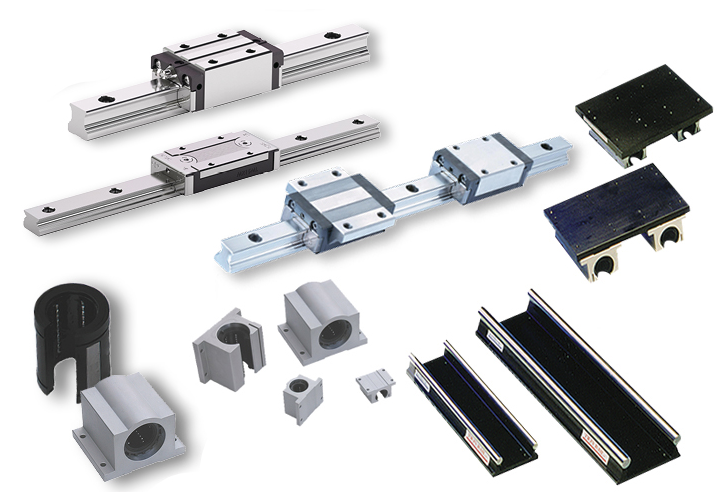
Challenges and Solutions for Addressing Friction and Wear in Linear Bearings
Friction and wear are common challenges in linear bearings that can impact their performance and lifespan. Here are the challenges and some solutions to address them:
- 1. Challenge: Friction:
Friction between the bearing components can lead to increased energy consumption, heat generation, and reduced efficiency.
- Solution: Lubrication:
Proper lubrication is essential to minimize friction. Lubricants reduce the contact between moving parts, allowing smoother motion and reducing wear. Choosing the right lubricant and applying it correctly can significantly mitigate friction-related issues.
- 2. Challenge: Wear:
Continuous movement can lead to wear on the bearing surfaces, affecting precision and performance over time.
- Solution: Regular Maintenance:
Implementing a regular maintenance schedule can help monitor wear and replace worn components before they compromise performance. This includes cleaning, re-lubrication, and periodic inspection of the bearing’s condition.
- 3. Challenge: Contaminants:
Dust, debris, and foreign particles can enter the bearing system, leading to increased friction and accelerated wear.
- Solution: Sealing and Protection:
Using seals, covers, or protective enclosures can help prevent contaminants from entering the bearing system. These protective measures maintain the integrity of the lubricant and extend the bearing’s lifespan.
- 4. Challenge: Improper Installation:
If linear bearings are not installed correctly, misalignment and uneven load distribution can contribute to friction and wear.
- Solution: Precise Installation:
Follow manufacturer guidelines for proper installation, ensuring accurate alignment and even load distribution. This reduces the risk of premature wear and ensures optimal performance.
- 5. Challenge: Inadequate Lubrication:
If the linear bearings are under-lubricated or over-lubricated, it can lead to increased friction and wear.
- Solution: Lubrication Management:
Monitor and manage lubrication levels to ensure they are within the recommended range. Regularly assess the lubricant’s condition and replenish as needed to maintain optimal performance.
- 6. Challenge: High Loads and Speeds:
High loads and speeds can increase friction and wear on linear bearings.
- Solution: Proper Selection:
Select linear bearings that are designed to handle the specific loads and speeds of the application. This ensures that the bearings can operate effectively under the given conditions.
Addressing friction and wear challenges in linear bearings requires a combination of proper maintenance practices, appropriate lubrication, protective measures, and careful selection of bearings. By implementing these solutions, the performance and longevity of linear bearings can be optimized.
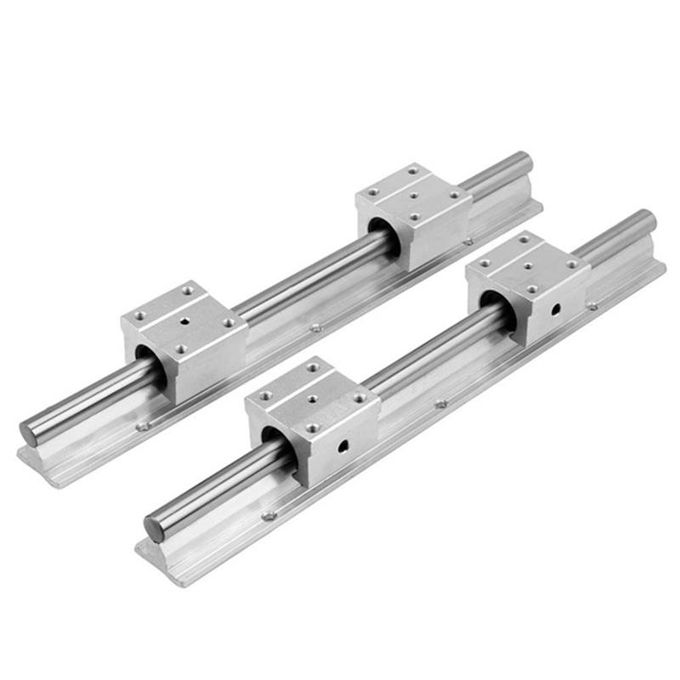
Managing Contamination and Debris in Linear Bearings
Contamination and debris pose significant challenges to the proper functioning of linear bearings. However, various measures are employed to effectively manage these issues:
- Preventive Sealing:
Linear bearings are often equipped with protective seals that act as barriers against contaminants. These seals prevent dust, dirt, and other particles from entering the bearing housing, thus reducing the risk of contamination.
- Shielding:
Linear bearings can incorporate shields that offer an additional layer of protection against debris. Shields are designed to keep larger particles away from the bearing’s rolling elements, enhancing the bearing’s longevity.
- Wipers and Scrapers:
Some linear bearings feature wipers or scrapers that actively remove debris from the bearing’s moving parts. These components help prevent the accumulation of contaminants that could compromise performance.
- Regular Maintenance:
Periodic inspection and cleaning are crucial to maintaining the cleanliness of linear bearings. Routine maintenance procedures help identify and remove any foreign particles that may have entered the bearing housing.
- Clean Environment:
Creating a clean operating environment is essential. In applications where contamination is a concern, steps are taken to minimize the presence of dust, dirt, and other pollutants in the vicinity of the linear bearings.
- Proper Lubrication:
Lubrication not only reduces friction but also creates a barrier against contaminants. The lubricant can help prevent particles from adhering to bearing surfaces, facilitating their removal during maintenance.
- Regular Inspections:
Frequent visual inspections can help identify early signs of contamination. Timely detection allows for prompt cleaning and maintenance, preventing further damage.
- Appropriate Sealing Materials:
Using high-quality sealing materials that are resistant to wear and tear is essential. The right materials can effectively keep contaminants out while withstanding the operating conditions.
- Choosing Suitable Environment:
Where possible, placing linear bearings in environments with lower levels of contamination or installing additional protective measures can help manage debris-related challenges.
By implementing these strategies, engineers and operators can effectively manage the challenges associated with contamination and debris, ensuring the optimal performance and longevity of linear bearings.
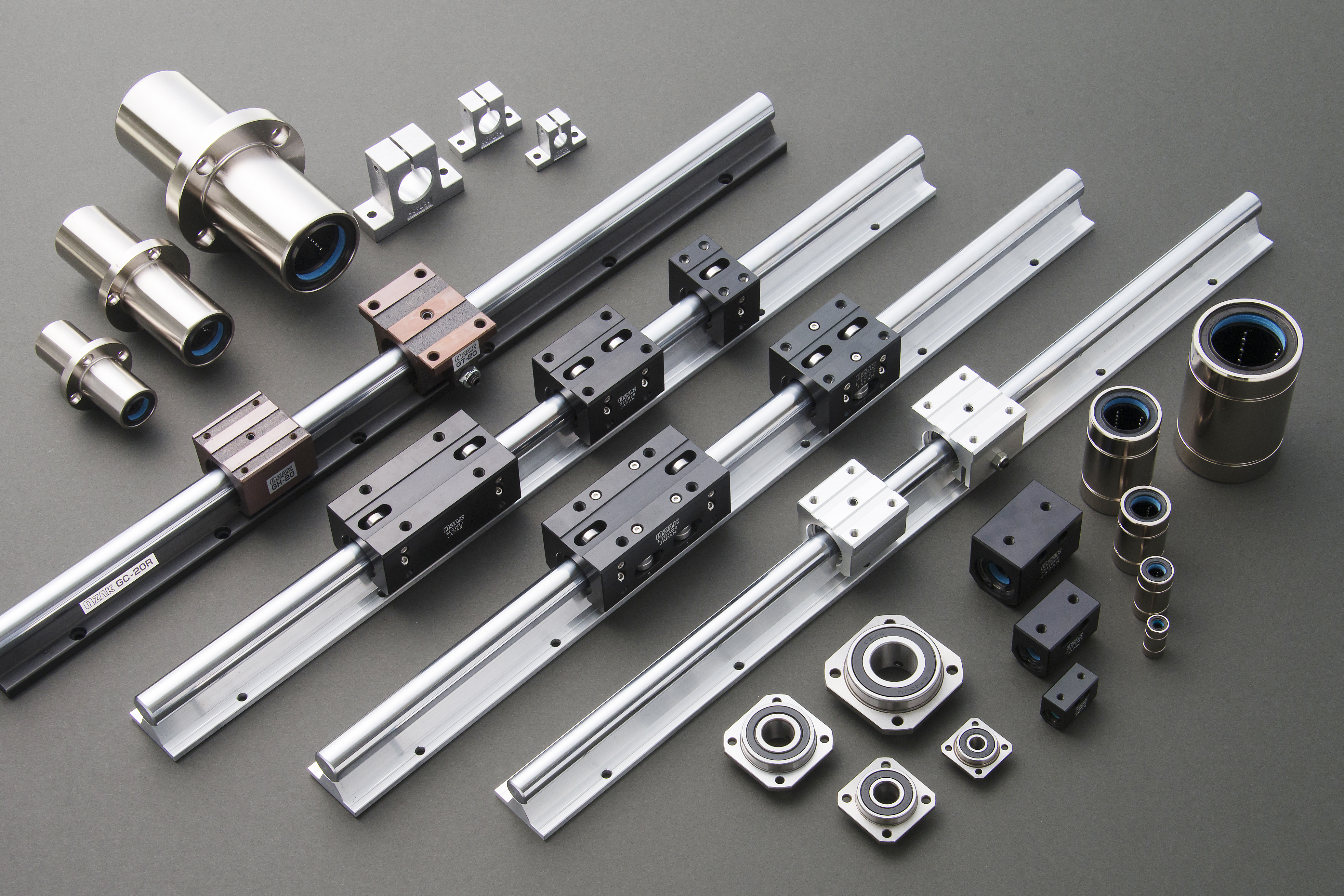
Common Applications and Industries for Linear Bearings
Linear bearings find widespread use in a variety of applications and industries due to their ability to provide controlled linear motion. Some common applications and industries where linear bearings are essential components include:
- Industrial Automation:
Linear bearings are used in automated machinery and equipment to enable precise and repeatable movement of components. They play a critical role in assembly lines, material handling systems, and robotics.
- CNC Machinery:
In computer numerical control (CNC) machines, linear bearings facilitate accurate movement of the cutting tool or workpiece. They contribute to the precision and quality of machining operations.
- Medical Devices:
Linear bearings are crucial in medical equipment such as MRI machines, CT scanners, and robotic surgical systems. Their precision and smooth motion are vital for accurate medical procedures.
- Packaging Machinery:
In packaging and labeling machines, linear bearings ensure precise movement of containers, products, and labeling mechanisms. This results in consistent and reliable packaging processes.
- Printing Industry:
Linear bearings are used in printing presses to ensure precise movement of print heads, paper feed mechanisms, and other critical components. This helps achieve accurate printing results.
- Textile Machinery:
In textile manufacturing, linear bearings contribute to the smooth operation of spinning machines, looms, and fabric handling systems. They help maintain proper tension and alignment of materials.
- Aerospace and Defense:
Linear bearings are utilized in aerospace applications such as aircraft actuators, landing gear systems, and satellite mechanisms. They withstand harsh conditions and provide reliable motion control.
- Material Handling:
In conveyor systems and material handling equipment, linear bearings facilitate the movement of goods along production lines, warehouses, and distribution centers.
- Automotive Industry:
Linear bearings are used in automotive manufacturing for tasks like seat adjustments, sunroof operation, and door mechanisms. Their precision enhances passenger comfort.
- Scientific Research:
In laboratory equipment and scientific instruments, linear bearings contribute to accurate positioning of samples, sensors, and analytical components.
These are just a few examples of the diverse applications and industries where linear bearings are essential. Their ability to provide controlled and reliable linear motion makes them indispensable in achieving precision, efficiency, and performance across various sectors.


editor by CX 2024-04-29