Product Description
Essential details:
Type: LINEAR.
Material: Bearing steel/Chrome steel,Gcr15.
Model Number:LMH8.
Project: Flanged linear ball bearing.
Stock: Rich.
Lubrication:Grease & Oil.
Service:OEM & ODM.
Precision Rating:P0 P6 P5 p4 p2.
Feature:Long Life.
Package:package+carton+pallet.
Applicable Industries:Advertising Company, Building Material Shops, Construction works…….
Applications
Linear Bearing:
Linear bearing is a linear motion system, used for linear travel and cylindrical axis.Due to coat point contact ball bearing with bearing, steel ball roll with minimum friction resistance, so the linear bearing small friction, and relatively stable, not over bearing speed changes, and can obtain high sensitivity, high precision of stationary linear motion.
The consumption of linear bearing also has its limitation. The most important 1 is that the bearing has poor impact load capacity and poor bearing capacity.Linear bearing quick and easy to optimize automatic selection included.
Features
Straight line bearing is used in conjunction with quenching straight line drive shaft.A system that moves in an infinite straight line.The load ball bearing and quenching transmission shaft are point contact, so the allowable load is small, but when moving in a straight line, the friction resistance is minimal, the precision is high, and the motion is fast.
Linear Motion Bearings Main Products:
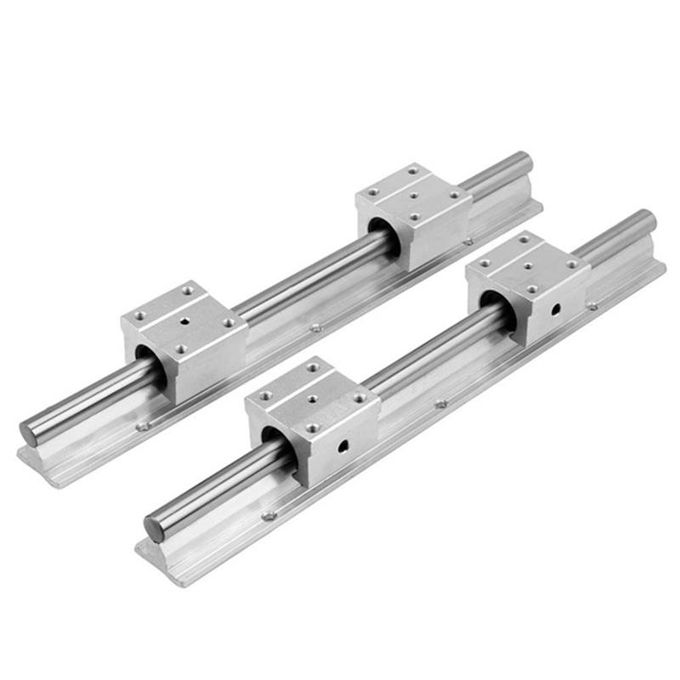
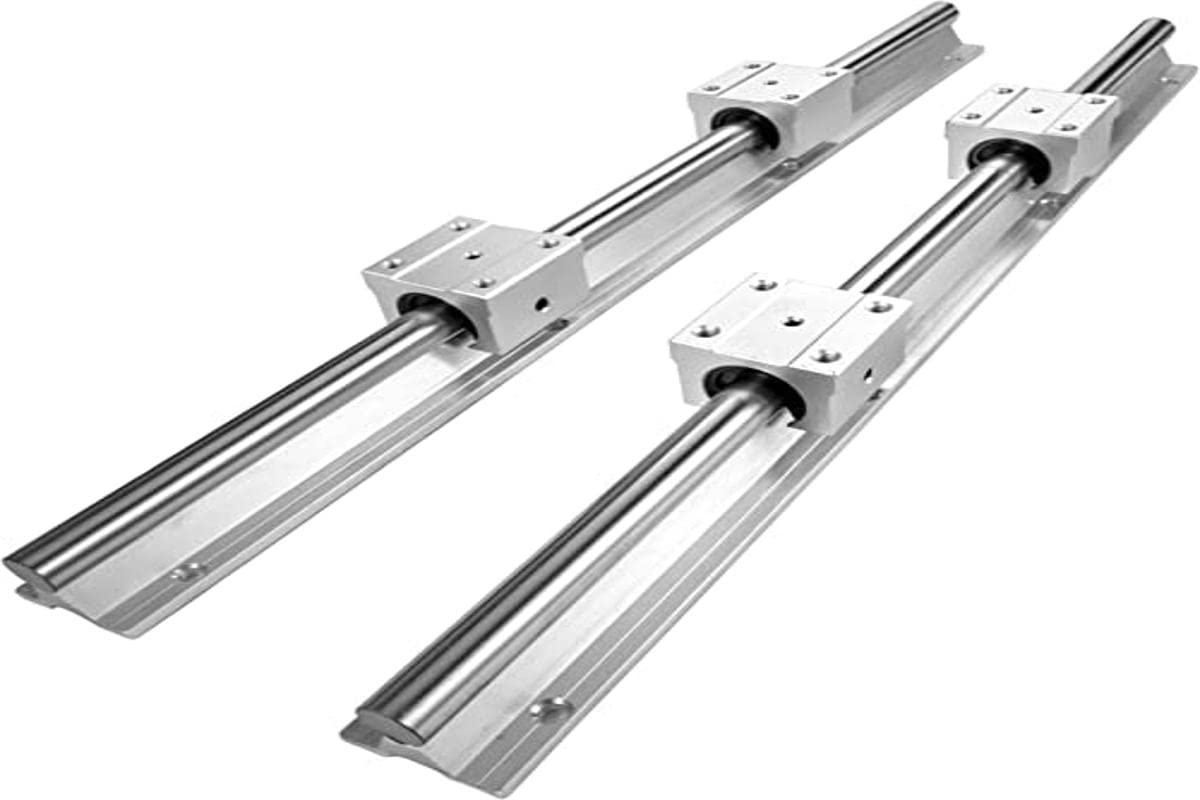
Linear motion ball bearing ,Flanged linear motion ball bearing ,Linear motion ball bearing slide units,Support rail units,Shaft sport,Shafts ,etc. The main type as belows :
Product Parameters
/* March 10, 2571 17:59:20 */!function(){function s(e,r){var a,o={};try{e&&e.split(“,”).forEach(function(e,t){e&&(a=e.match(/(.*?):(.*)$/))&&1
| Feature: | High Precision/Rigidity |
|---|---|
| Function: | Super |
| Flange Shape: | Cutting-Edge |
| Samples: |
US$ 3.6/Piece
1 Piece(Min.Order) | Order Sample linear bearing
|
|---|
| Customization: |
Available
| Customized Request |
|---|
.shipping-cost-tm .tm-status-off{background: none;padding:0;color: #1470cc}
|
Shipping Cost:
Estimated freight per unit. |
about shipping cost and estimated delivery time. |
|---|
| Payment Method: |
|
|---|---|
|
Initial Payment Full Payment |
| Currency: | US$ |
|---|
| Return&refunds: | You can apply for a refund up to 30 days after receipt of the products. |
|---|
Differences Between Linear Ball Bearings and Linear Roller Bearings
Linear ball bearings and linear roller bearings are two distinct types of linear bearings, each with its own design and characteristics. Here’s how they differ and when they are preferred:
- 1. Design:
Linear ball bearings use ball bearings to provide rolling motion along the shaft. Linear roller bearings, on the other hand, use cylindrical or needle rollers for motion. Roller bearings have a larger contact area, distributing the load over a broader surface.
- 2. Load Capacity:
Linear roller bearings typically have a higher load-carrying capacity compared to linear ball bearings. This makes them suitable for applications with heavier loads and greater force requirements.
- 3. Friction and Smoothness:
Linear ball bearings offer lower friction and smoother motion due to the point contact between the balls and the shaft. Roller bearings may have slightly higher friction but can handle larger loads without sacrificing smoothness.
- 4. Precision and Accuracy:
Linear ball bearings are often preferred for applications requiring high precision and accuracy. Their point contact provides precise positioning and repeatability, making them suitable for tasks like CNC machining and optical systems.
- 5. Noise and Vibration:
Linear ball bearings tend to generate less noise and vibration due to their smoother rolling action. Roller bearings may produce slightly more noise but are still used in applications where noise is not a critical factor.
- 6. Speed:
Linear ball bearings are well-suited for high-speed applications due to their low friction and smooth motion. Roller bearings are also capable of high speeds but may have slightly different characteristics.
- 7. Cost:
Linear ball bearings are often more cost-effective for lower-load and precision applications. Linear roller bearings may be preferred for heavy-duty applications, which may justify their higher cost.
- 8. Application Scenarios:
Linear ball bearings are commonly used in applications where precision, smooth motion, and accuracy are paramount, such as in CNC machinery, 3D printers, and optical systems. Linear roller bearings excel in applications with higher loads, such as heavy machinery, material handling, and industrial automation.
In summary, the choice between linear ball bearings and linear roller bearings depends on the specific requirements of the application. Each type has its strengths and weaknesses, and selecting the right type ensures optimal performance and longevity.
Managing Contamination and Debris in Linear Bearings
Contamination and debris pose significant challenges to the proper functioning of linear bearings. However, various measures are employed to effectively manage these issues:
- Preventive Sealing:
Linear bearings are often equipped with protective seals that act as barriers against contaminants. These seals prevent dust, dirt, and other particles from entering the bearing housing, thus reducing the risk of contamination.
- Shielding:
Linear bearings can incorporate shields that offer an additional layer of protection against debris. Shields are designed to keep larger particles away from the bearing’s rolling elements, enhancing the bearing’s longevity.
- Wipers and Scrapers:
Some linear bearings feature wipers or scrapers that actively remove debris from the bearing’s moving parts. These components help prevent the accumulation of contaminants that could compromise performance.
- Regular Maintenance:
Periodic inspection and cleaning are crucial to maintaining the cleanliness of linear bearings. Routine maintenance procedures help identify and remove any foreign particles that may have entered the bearing housing.
- Clean Environment:
Creating a clean operating environment is essential. In applications where contamination is a concern, steps are taken to minimize the presence of dust, dirt, and other pollutants in the vicinity of the linear bearings.
- Proper Lubrication:
Lubrication not only reduces friction but also creates a barrier against contaminants. The lubricant can help prevent particles from adhering to bearing surfaces, facilitating their removal during maintenance.
- Regular Inspections:
Frequent visual inspections can help identify early signs of contamination. Timely detection allows for prompt cleaning and maintenance, preventing further damage.
- Appropriate Sealing Materials:
Using high-quality sealing materials that are resistant to wear and tear is essential. The right materials can effectively keep contaminants out while withstanding the operating conditions.
- Choosing Suitable Environment:
Where possible, placing linear bearings in environments with lower levels of contamination or installing additional protective measures can help manage debris-related challenges.
By implementing these strategies, engineers and operators can effectively manage the challenges associated with contamination and debris, ensuring the optimal performance and longevity of linear bearings.
Advantages of Linear Bearings over Other Bearing Types
Linear bearings offer several distinct advantages when compared to other types of bearings, particularly in applications that require controlled linear motion. These benefits contribute to their widespread use across various industries:
- Precise Linear Motion:
Linear bearings are designed specifically for linear motion, providing accurate and controlled movement along a defined path. This precision is essential in applications that demand accurate positioning and repeatability.
- Low Friction:
Linear bearings are designed to minimize friction during motion. The reduced friction translates to smoother movement, reduced wear, and improved efficiency, making them suitable for applications requiring consistent motion.
- High Load Capacity:
Linear bearings can handle significant loads in both radial and axial directions. This capability allows them to support heavy components and maintain stability under various loads.
- Minimal Maintenance:
Due to their design and minimal contact between moving parts, linear bearings require less maintenance compared to other types of bearings. This is particularly advantageous in hard-to-reach or inaccessible areas.
- Guided Motion:
Linear bearings provide guided and constrained motion along a single axis. This guidance eliminates the need for complex guiding mechanisms, reducing design complexity and simplifying assembly.
- Compact Design:
Linear bearings have a compact form factor, making them suitable for applications with limited space. Their small footprint allows for efficient use of available area.
- Low Noise and Vibration:
Linear bearings generate minimal noise and vibration during operation, contributing to quieter and more comfortable working environments in applications such as medical devices and precision machinery.
- Smooth Movement:
Linear bearings offer smooth and consistent movement, essential for applications requiring continuous and controlled motion, such as robotic systems and conveyor belts.
- Customization:
Linear bearings can be designed to fit specific application requirements, including load capacity, travel distance, and environmental conditions. This customization enhances their suitability for diverse applications.
- Reduced Wear:
The low friction and guided motion of linear bearings result in reduced wear on both the bearing and the mating surface, leading to longer service life and reduced maintenance costs.
Overall, the benefits of using linear bearings make them a preferred choice in applications that demand accurate linear motion, efficient load handling, and reduced maintenance. Their ability to deliver precision, stability, and reliability contributes to improved performance across various industries.


editor by CX 2024-02-17