Product Description
Product Description
| Name | Needle Roller Pin | ||
| Model | Needle Rollers | ||
| Cylindrical Rollers | |||
| Spherical Rollers | |||
| Material | Stainless steel AISI304/302/316/316L/420/440/440C |
Certificate | ISO9001:2015 IATF16949:2016 |
| Chrome steel AISI52100 /Gcr15 /100Cr6 /SUJ-2 |
|||
| Standard | ISO3096 / DIN5402-3 | Precision | G2/G3/G5 |
| Type | NRB, NRA, ZB | OEM | According to customer’s drawing |
| Description | Needle Rollers for bearings is a roller with a cylindrical roller bearings, relative to its diameter, both the thin and long rollers. this is called needle roller.despite its smaller cross-section, still has a higher load bearing capacity, therefore, especially suitable for the radial space-constrained occasions. | ||
| Features | Super Precision Needle Rollers are designed specifically to handle large radial loads in high-speed spindle applications that demand high running accuracy (runout) of bearing-spindle arrangements. | ||
| Application | Bearing, Linear motion guidance system, Automotive, and so on. | ||
| Package | As customers’ requirement | ||
| Delivery Time | According to the order quantity | ||
Roller size
| φ 0.8 x 6.8 | φ 3 x 17.8 | φ 5 x 14 | φ 7 x 12 | φ 9 x 14 | φ 10 x 38 | φ 14 x 14 | φ 23 x 23 |
| φ 1 x 5.8 | φ 3 x 19.8 | φ 5 x 16 | φ 7 x 20 | φ 9 x 15 | φ 10 x 40 | φ 14 x 16 | φ 24 x 24 |
| φ 2 × 7.8 | φ 3 x 21.8 | φ 5 x 18 | φ 7 x 28 | φ 9 x 18 | φ 10 x 45 | φ 14 x 20 | φ 24 x 36 |
| φ 2 x 9.8 | φ 3 x 23.8 | φ 5 x 20 | φ 7 x 35 | φ 9 x 21 | φ 10 x 50 | φ 14 x 25 | φ 25 x 25 |
| φ 2 x 10.8 | φ 3 x 25.8 | φ 5 x 22 | φ 7 x 70 | φ 9 x 26 | φ 10 x 56 | φ 14 x 33 | φ 25 x 36 |
| φ 2 x11.8 | φ 3 x 27.8 | φ 5 x 24 | φ 8 x 8 | φ 9 x 30 | φ 10 x 90 | φ 14 x 37 | φ 26 x 26 |
| φ 2 x 13.8 | φ 4 x 6.8 | φ 5 x 28 | φ 8 x 10 | φ 9 x 50 | φ 10 x 110 | φ 14 x 50 | φ 26 x 40 |
| φ 2 x15.8 | φ 4 x 7.8 | φ 6 x 6 | φ 8 x 14 | φ 9 x 21 | φ 11 x 11 | φ 14 x 60 | φ 27 x 27 |
| φ 2 x 17.8 | φ 4 x 9.8 | φ 6 x 8 | φ 8 x 15 | φ 9 x 26 | φ 11 x 12 | φ 14 x 80 | φ 28 x 28 |
| φ 2 x 19.8 | φ 4 x 10.8 | φ 6 x 9 | φ 8 x 16 | φ 9 x 30 | φ 11 x 15 | φ 15 x 15 | φ 28 x 29 |
| φ 2.5 x 9.8 | φ 4 x 11.8 | φ 6 x 10 | φ 8 x 18 | φ 9 x 50 | φ 11 x 24 | φ 15 x 16 | φ 30 x 30 |
| φ 2.5 x 10.8 | φ 4 x 13.8 | φ 6 x 12 | φ 8 x 20 | φ 9 x 55 | φ 11 x 26 | φ 15 x 20 | φ 30 x 32 |
| φ 2.5 x 11.8 | φ 4 x 15.8 | φ 6 x 14 | φ 8 x 24 | φ 9 x 70 | φ 11 x 70 | φ 15 x 25 | φ 34 x 34 |
| φ 2.5 x 13.8 | φ 4 x 17.8 | φ 6 x 15 | φ 8 x 25 | φ 10 x 10 | φ 12 x 12 | φ 15 x 30 | φ 35 x 65 |
| φ 2.5 x15.8 | φ 4 x 19.8 | φ 6 x 16 | φ 8 x 30 | φ 10 x 12 | φ 12 x 16 | φ 15 x 80 | φ 36 x 38 |
| φ 2..5 x 17.8 | φ 4 x 21.8 | φ 6 x 17 | φ 8 x 35 | φ 10 x 14 | φ 12 x 18 | φ 16 x 16 | φ 36 x 50 |
| φ 2.5 x 19.8 | φ 4 x 23.8 | φ 6 x 18 | φ 8 x 40 | φ 10 x 15 | φ 12 x 20 | φ 16 x 24 | φ 40 x 40 |
| φ 2.5 x 21.8 | φ 4 x 25.8 | φ 6 x 20 | φ 8 x 45 | φ 10 x 18 | φ 12 x 24 | φ 17 x 17 | φ 42 x 42 |
| φ 2..5 x 17.8 | φ 4 x 27.8 | φ 6 x 21 | φ 8 x 48 | φ 10 x 20 | φ 12 x 25 | φ 18 x 18 | φ 45 x 45 |
| φ 2.5 x 19.8 | φ 4 x 29.8 | φ 6 x 24 | φ 8 x 50 | φ 10 x 22 | φ 12 x 27 | φ 18 x 26 | φ 50 x 50 |
| φ 3 x 7.8 | φ 5 x 5 | φ 6 x 25 | φ 8 x 60 | φ 10 x 24 | φ 12 x 30 | φ 19 x 19 | φ 52 x 52 |
| φ 3 x 8.8 | φ 5 x 5 | φ 6 x 29 | φ 8 x 70 | φ 10 x 25 | φ 12 x 50 | φ 20 x 20 | φ 60 x 60 |
| φ 3 x 9.8 | φ 5 x 7 | φ 6 x 35 | φ 8 x 80 | φ 10 x 26 | φ 13 x 13 | φ 20 x 24 | φ 70 x 70 |
| φ 3 x 10.8 | φ 5 x 8 | φ 7 x 7 | φ 8 x 90 | φ 10 x 28 | φ 13 x 20 | φ 20 x 30 | |
| φ 3 x 11.8 | φ 5 x 9 | φ 7 x 9 | φ 9 x 9 | φ 10 x 35 | φ 13 x 26 | φ 21 x 21 | |
| φ 3 x 13.8 | φ 5 x 10 | φ 7 x 10 | φ 9 x 10 | φ 10 x 36 | φ 13 x 33 | φ 22 x 22 | |
| φ 3 x15.8 | φ 5 x 12 | φ 7 x 12 | φ 9 x 14 | φ 10 x 38 | φ 13 x 36 | φ 22 x 34 |
Detailed Photos
Please contact us for more details.
/* January 22, 2571 19:08:37 */!function(){function s(e,r){var a,o={};try{e&&e.split(“,”).forEach(function(e,t){e&&(a=e.match(/(.*?):(.*)$/))&&1
| Diameter: | 2.55- 60 mm |
|---|---|
| Length: | 4.8- 72 mm |
| Quality: | ISO9001:2015 |
| Samples: | Free |
| Rolling Body: | Roller Bearings |
| The Number of Rows: | Multi-Column |
| Samples: |
US$ 0/Piece
1 Piece(Min.Order) | |
|---|
| Customization: |
Available
| Customized Request |
|---|
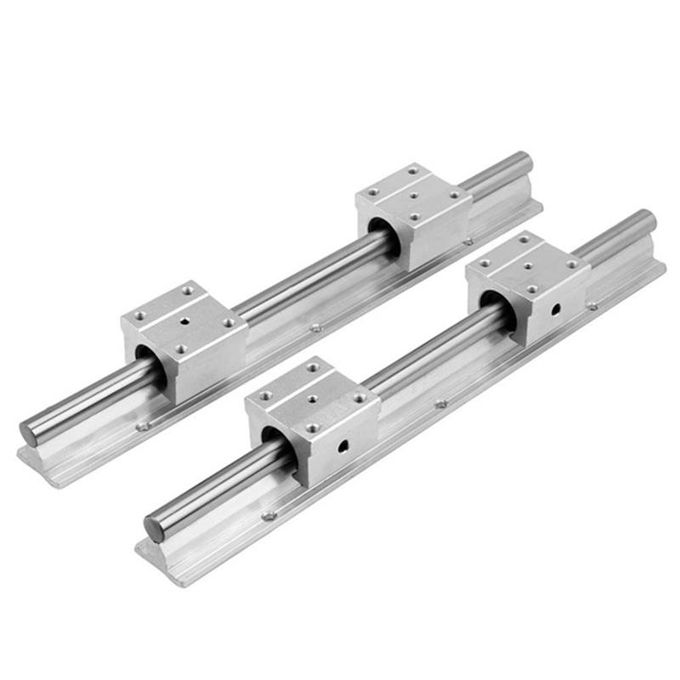
Differences Between Linear Ball Bearings and Linear Roller Bearings
Linear ball bearings and linear roller bearings are two distinct types of linear bearings, each with its own design and characteristics. Here’s how they differ and when they are preferred:
- 1. Design:
Linear ball bearings use ball bearings to provide rolling motion along the shaft. Linear roller bearings, on the other hand, use cylindrical or needle rollers for motion. Roller bearings have a larger contact area, distributing the load over a broader surface.
- 2. Load Capacity:
Linear roller bearings typically have a higher load-carrying capacity compared to linear ball bearings. This makes them suitable for applications with heavier loads and greater force requirements.
- 3. Friction and Smoothness:
Linear ball bearings offer lower friction and smoother motion due to the point contact between the balls and the shaft. Roller bearings may have slightly higher friction but can handle larger loads without sacrificing smoothness.
- 4. Precision and Accuracy:
Linear ball bearings are often preferred for applications requiring high precision and accuracy. Their point contact provides precise positioning and repeatability, making them suitable for tasks like CNC machining and optical systems.
- 5. Noise and Vibration:
Linear ball bearings tend to generate less noise and vibration due to their smoother rolling action. Roller bearings may produce slightly more noise but are still used in applications where noise is not a critical factor.
- 6. Speed:
Linear ball bearings are well-suited for high-speed applications due to their low friction and smooth motion. Roller bearings are also capable of high speeds but may have slightly different characteristics.
- 7. Cost:
Linear ball bearings are often more cost-effective for lower-load and precision applications. Linear roller bearings may be preferred for heavy-duty applications, which may justify their higher cost.
- 8. Application Scenarios:
Linear ball bearings are commonly used in applications where precision, smooth motion, and accuracy are paramount, such as in CNC machinery, 3D printers, and optical systems. Linear roller bearings excel in applications with higher loads, such as heavy machinery, material handling, and industrial automation.
In summary, the choice between linear ball bearings and linear roller bearings depends on the specific requirements of the application. Each type has its strengths and weaknesses, and selecting the right type ensures optimal performance and longevity.
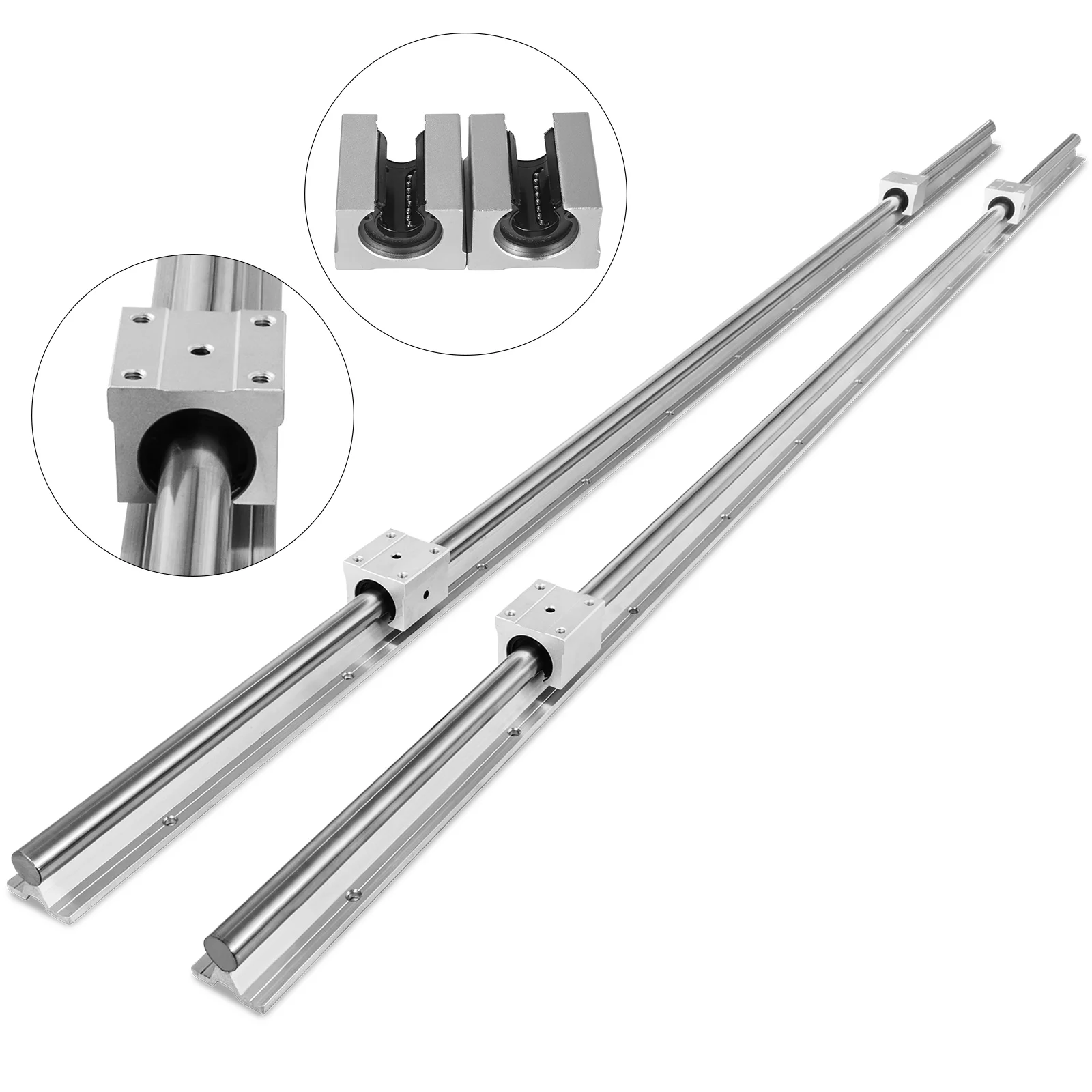
Advancements in Linear Bearing Technology
Recent years have witnessed significant advancements in linear bearing technology, leading to improved performance and expanded applications. Some notable advancements include:
- Rolling Element Innovations:
Manufacturers are introducing new types of rolling elements, such as ceramic balls and specialized coatings, to enhance load capacity, reduce friction, and extend the lifespan of linear bearings.
- Lubrication Solutions:
Advanced lubrication techniques, including self-lubricating materials and greases with extended lifetimes, are being developed to optimize the performance of linear bearings while reducing maintenance needs.
- Smart and Sensor-Integrated Bearings:
Linear bearings with built-in sensors provide real-time data on temperature, vibration, and wear. This enables predictive maintenance, early fault detection, and optimization of bearing performance.
- Improved Corrosion Resistance:
New materials and coatings are being employed to enhance the corrosion resistance of linear bearings. This is particularly beneficial in environments where exposure to moisture and corrosive substances is a concern.
- Reduced Friction and Energy Consumption:
Advanced engineering and design techniques are leading to lower friction coefficients and reduced energy consumption in linear bearings. This not only improves efficiency but also contributes to sustainability efforts.
- High-Speed Capabilities:
Linear bearings capable of operating at higher speeds are being developed to meet the demands of applications requiring rapid and precise movements, such as in the semiconductor and electronics industries.
- Enhanced Sealing and Contaminant Management:
New sealing technologies are being employed to provide better protection against contaminants and debris. This is critical for applications where cleanliness is paramount.
- Integration with Industry 4.0:
Linear bearings are increasingly designed to be compatible with Industry 4.0 principles, allowing them to be integrated into digital manufacturing and automation systems for improved overall efficiency.
- Material Advancements:
Novel materials with improved mechanical properties, wear resistance, and temperature tolerance are being used in the production of linear bearings, expanding their operating capabilities.
These recent advancements in linear bearing technology are enabling industries to achieve higher levels of precision, efficiency, reliability, and predictive maintenance, making linear bearings an essential component of modern machinery and systems.
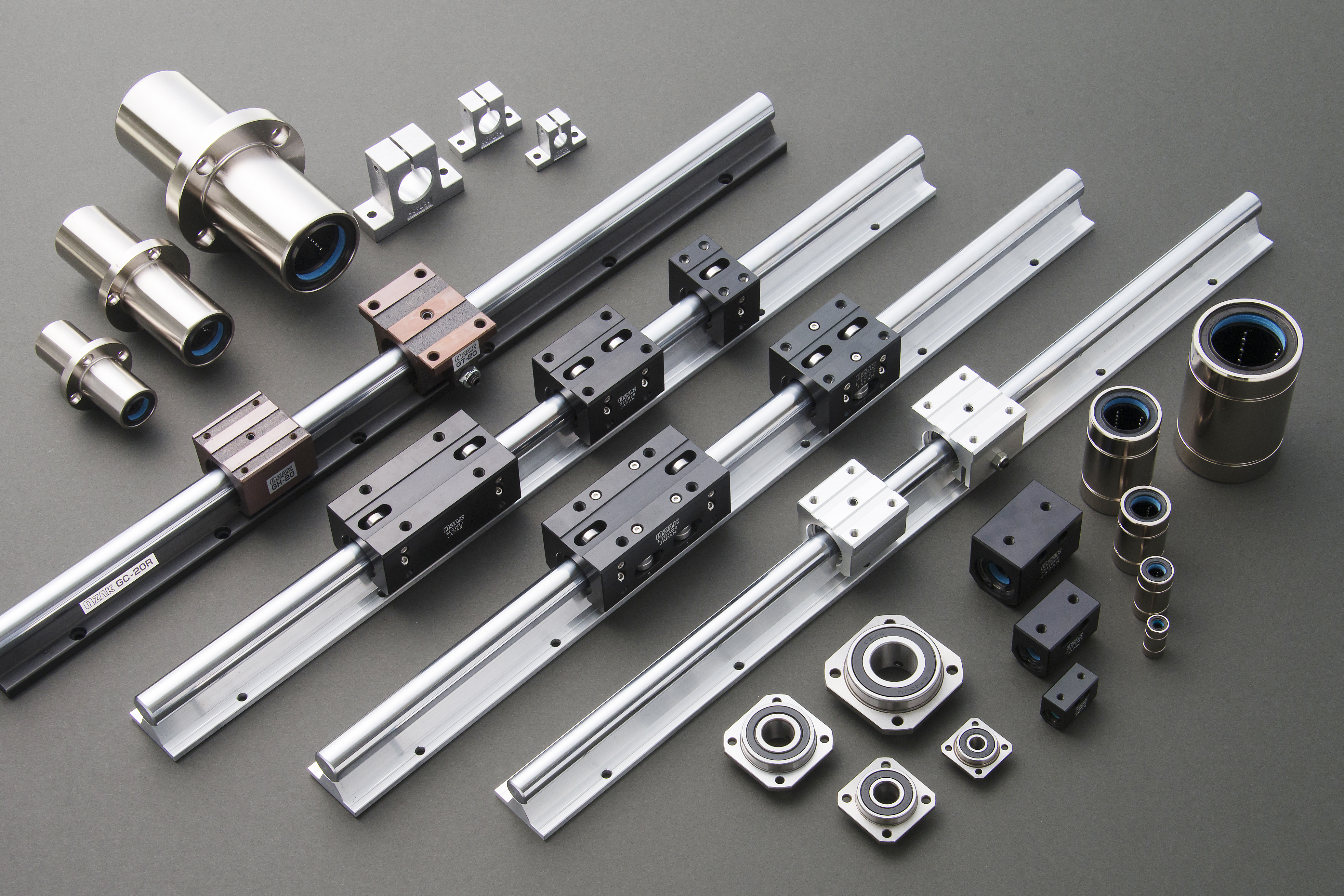
Common Applications and Industries for Linear Bearings
Linear bearings find widespread use in a variety of applications and industries due to their ability to provide controlled linear motion. Some common applications and industries where linear bearings are essential components include:
- Industrial Automation:
Linear bearings are used in automated machinery and equipment to enable precise and repeatable movement of components. They play a critical role in assembly lines, material handling systems, and robotics.
- CNC Machinery:
In computer numerical control (CNC) machines, linear bearings facilitate accurate movement of the cutting tool or workpiece. They contribute to the precision and quality of machining operations.
- Medical Devices:
Linear bearings are crucial in medical equipment such as MRI machines, CT scanners, and robotic surgical systems. Their precision and smooth motion are vital for accurate medical procedures.
- Packaging Machinery:
In packaging and labeling machines, linear bearings ensure precise movement of containers, products, and labeling mechanisms. This results in consistent and reliable packaging processes.
- Printing Industry:
Linear bearings are used in printing presses to ensure precise movement of print heads, paper feed mechanisms, and other critical components. This helps achieve accurate printing results.
- Textile Machinery:
In textile manufacturing, linear bearings contribute to the smooth operation of spinning machines, looms, and fabric handling systems. They help maintain proper tension and alignment of materials.
- Aerospace and Defense:
Linear bearings are utilized in aerospace applications such as aircraft actuators, landing gear systems, and satellite mechanisms. They withstand harsh conditions and provide reliable motion control.
- Material Handling:
In conveyor systems and material handling equipment, linear bearings facilitate the movement of goods along production lines, warehouses, and distribution centers.
- Automotive Industry:
Linear bearings are used in automotive manufacturing for tasks like seat adjustments, sunroof operation, and door mechanisms. Their precision enhances passenger comfort.
- Scientific Research:
In laboratory equipment and scientific instruments, linear bearings contribute to accurate positioning of samples, sensors, and analytical components.
These are just a few examples of the diverse applications and industries where linear bearings are essential. Their ability to provide controlled and reliable linear motion makes them indispensable in achieving precision, efficiency, and performance across various sectors.


editor by CX 2024-05-03