Product Description
Product Description
The aligning ball bearings are mainly used to bear radial loads. While bearing radial loads, they can also bear a small amount of axial loads, but generally cannot bear pure axial loads. Their limiting speed is lower than that of deep groove ball bearings. Bearings are mostly used on double support shafts that are easy to bend under the action of load, and in parts with double bearing holes that cannot guarantee strict coaxiality, but the relative inclination of the centerline of the inner ring and the centerline of the outer ring must not exceed 3 degrees.
| Product Name | spherical roller bearing 22211 CA/W33 |
| Bearing Materials | GCr15 |
| Feature | Low Noise, Low Vibration, High Precision, Long Life |
| Size | 55*100*25mm |
| Precision Grade | P6,P5,P0 |
| Application | Papermaking machinery, deceleration device, railway vehicle axis, rolling machine gear box bearing seat, rolling machine roller, crusher, vibration screen, printing machinery, woodworking machinery, various industrial reducers, vertical band -seat stitching bearing. |
| main bearing models | |||||||
| 1018 | 1210 | 105718H | 1302 | 1317 | 2207 | 2222 | 2311 |
| 1026 | 1211 | 1230 | 1303 | 1318 | 2208 | 2224 | 2312 |
| 1571 | 1212 | 11204 | 1304 | 1319 | 2209 | 2226 | 2313 |
| 1571 | 1213 | 11205 | 1305 | 1320 | 2210 | 2228 | 2314 |
| 1096 | 1214 | 11206 | 1306 | 1321 | 2211 | 2300 | 2315 |
| 1200 | 1215 | 11207 | 1307 | 1322 | 2212 | 2301 | 2316 |
| 1201 | 1216 | 11208 | 1308 | 1324 | 2213 | 2302 | 2317 |
| 1202 | 1217 | 11209 | 1309 | 1326 | 2214 | 2303 | 2318 |
| 1203 | 1218 | 11210 | 1310 | 2200 | 2215 | 2304 | 2319 |
| 1204 | 1219 | 11211 | 1311 | 2201 | 2216 | 2305 | 2320 |
| 1205 | 1220 | 11212 | 1312 | 2202 | 2217 | 2306 | 2321 |
| 1206 | 1221 | 11213 | 1313 | 2203 | 2218 | 2307 | 2322 |
| 1207 | 1222 | 1035 | 1314 | 2204 | 2219 | 2308 | 2324 |
| 1208 | 1224 | 1300 | 1315 | 2205 | 2220 | 2309 | 2326 |
| 1209 | 1226 | 1301 | 1316 | 2206 | 2221 | 2310 |
Detailed Photos
Company Profile
Our Advantages
Application
advantage:
Long service life
High load carrying capacity
Compact arrangements
Accommodate misalignment
Minimum maintenance
Reduced operating costs
Fewer unplanned stops
Environmental sustainability
High availability
Technical support
FAQ
Q1 : Why choose us?
A1 : We have more than 30 years of professional experience in bearing industry, and serve many leader companies in bike industry with guarantee quality product. We sell variety of bearing brands and can also do OEM and ODM.
Q2: How about the quality of products in your company?
A2: We implement strict inspection on all bearing parts before the production and during the production process, all bearing meet ISO international standard.
Q3: How to choose a bearing?
A3: We have a professional engineer team to help you choose bearing and find appropriate solutions, contact us now!
Q4: How long is your delivery term?
A4: Our standard product delivery term is 3 to 7 days. A new product development cycle is between 60 to 90 days.
There are standing stock for regular types.
Q5: Do you provide samples?
A5: Yes, we provide samples, but shipping cost and tax pay by buyer.
/* January 22, 2571 19:08:37 */!function(){function s(e,r){var a,o={};try{e&&e.split(“,”).forEach(function(e,t){e&&(a=e.match(/(.*?):(.*)$/))&&1
| Rolling Body: | Roller Bearings |
|---|---|
| The Number of Rows: | Single |
| Outer Dimension: | Small and Medium-Sized (60-115mm) |
| Material: | Bearing Steel |
| Spherical: | Aligning Bearings |
| Load Direction: | No |
| Customization: |
Available
| Customized Request |
|---|
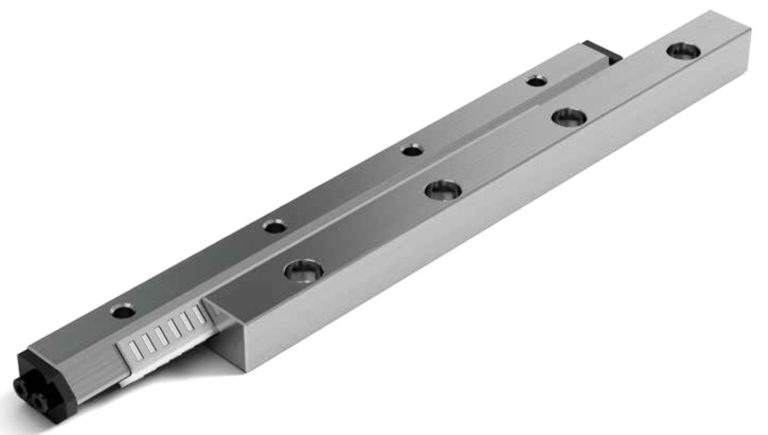
Differences between Open-Type and Closed-Type Linear Bearings
Open-type and closed-type linear bearings are two common variations used in linear motion systems, each with its own advantages and considerations:
- 1. Open-Type Linear Bearings:
Open-type linear bearings, as the name suggests, have an open design that allows easy access to the bearing’s rolling elements and raceways. These bearings are characterized by:
- Quick Maintenance: Open-type bearings are easier to clean, lubricate, and inspect due to their open structure, making maintenance more convenient.
- Increased Contamination Risk: Because they are exposed, open-type bearings are more susceptible to dust, debris, and contamination, which can affect their performance and lifespan.
- 2. Closed-Type Linear Bearings:
Closed-type linear bearings are enclosed within a housing or carriage that provides protection from external elements. These bearings offer the following features:
- Enhanced Contamination Protection: Closed-type bearings are less vulnerable to contaminants and offer improved protection against dust, dirt, and debris, leading to longer service life.
- Reduced Accessibility: Maintenance and inspection of closed-type bearings might be more complex due to the need to disassemble the housing or carriage for access.
- Reduced Noise: The enclosed design of closed-type bearings can contribute to reduced noise levels, which is advantageous in noise-sensitive applications.
Choosing between open-type and closed-type linear bearings depends on the specific requirements of the application. If easy maintenance and accessibility are crucial, open-type bearings might be preferred. On the other hand, closed-type bearings offer better protection against contaminants and reduced noise, making them suitable for environments where cleanliness and quiet operation are essential.
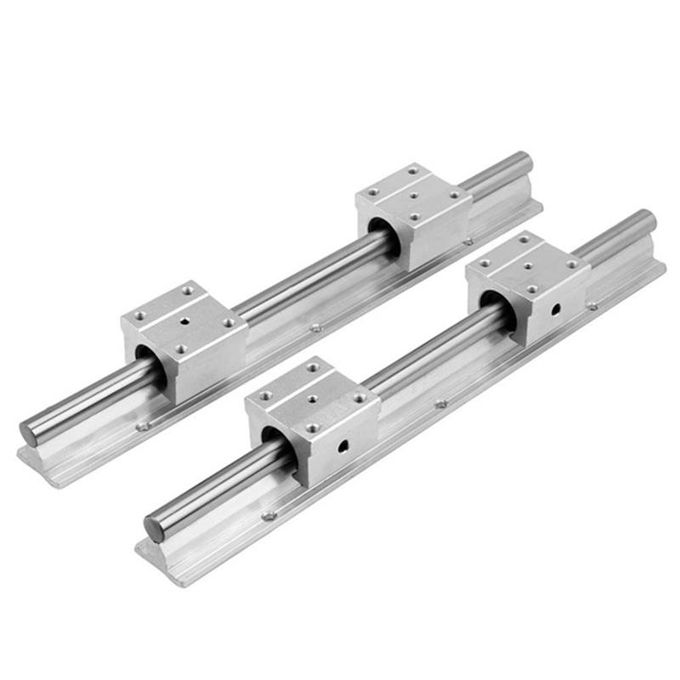
Managing Contamination and Debris in Linear Bearings
Contamination and debris pose significant challenges to the proper functioning of linear bearings. However, various measures are employed to effectively manage these issues:
- Preventive Sealing:
Linear bearings are often equipped with protective seals that act as barriers against contaminants. These seals prevent dust, dirt, and other particles from entering the bearing housing, thus reducing the risk of contamination.
- Shielding:
Linear bearings can incorporate shields that offer an additional layer of protection against debris. Shields are designed to keep larger particles away from the bearing’s rolling elements, enhancing the bearing’s longevity.
- Wipers and Scrapers:
Some linear bearings feature wipers or scrapers that actively remove debris from the bearing’s moving parts. These components help prevent the accumulation of contaminants that could compromise performance.
- Regular Maintenance:
Periodic inspection and cleaning are crucial to maintaining the cleanliness of linear bearings. Routine maintenance procedures help identify and remove any foreign particles that may have entered the bearing housing.
- Clean Environment:
Creating a clean operating environment is essential. In applications where contamination is a concern, steps are taken to minimize the presence of dust, dirt, and other pollutants in the vicinity of the linear bearings.
- Proper Lubrication:
Lubrication not only reduces friction but also creates a barrier against contaminants. The lubricant can help prevent particles from adhering to bearing surfaces, facilitating their removal during maintenance.
- Regular Inspections:
Frequent visual inspections can help identify early signs of contamination. Timely detection allows for prompt cleaning and maintenance, preventing further damage.
- Appropriate Sealing Materials:
Using high-quality sealing materials that are resistant to wear and tear is essential. The right materials can effectively keep contaminants out while withstanding the operating conditions.
- Choosing Suitable Environment:
Where possible, placing linear bearings in environments with lower levels of contamination or installing additional protective measures can help manage debris-related challenges.
By implementing these strategies, engineers and operators can effectively manage the challenges associated with contamination and debris, ensuring the optimal performance and longevity of linear bearings.
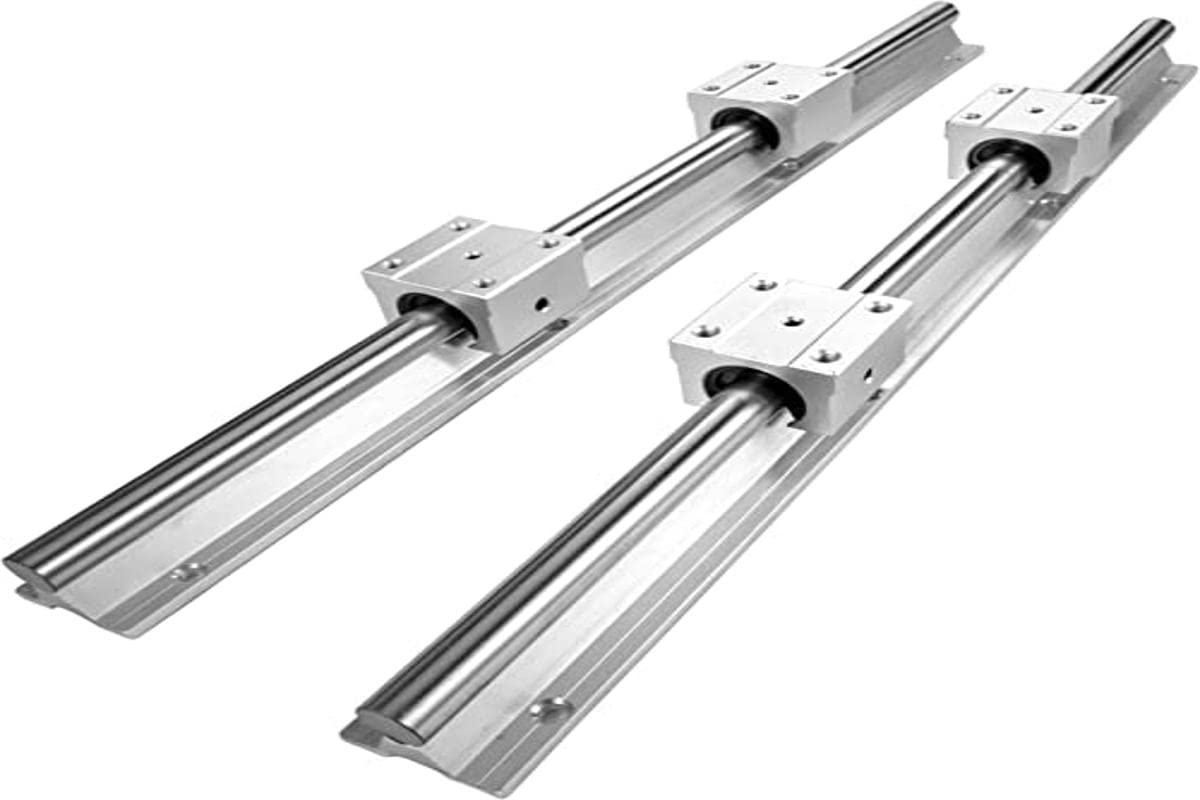
Advantages of Linear Bearings over Other Bearing Types
Linear bearings offer several distinct advantages when compared to other types of bearings, particularly in applications that require controlled linear motion. These benefits contribute to their widespread use across various industries:
- Precise Linear Motion:
Linear bearings are designed specifically for linear motion, providing accurate and controlled movement along a defined path. This precision is essential in applications that demand accurate positioning and repeatability.
- Low Friction:
Linear bearings are designed to minimize friction during motion. The reduced friction translates to smoother movement, reduced wear, and improved efficiency, making them suitable for applications requiring consistent motion.
- High Load Capacity:
Linear bearings can handle significant loads in both radial and axial directions. This capability allows them to support heavy components and maintain stability under various loads.
- Minimal Maintenance:
Due to their design and minimal contact between moving parts, linear bearings require less maintenance compared to other types of bearings. This is particularly advantageous in hard-to-reach or inaccessible areas.
- Guided Motion:
Linear bearings provide guided and constrained motion along a single axis. This guidance eliminates the need for complex guiding mechanisms, reducing design complexity and simplifying assembly.
- Compact Design:
Linear bearings have a compact form factor, making them suitable for applications with limited space. Their small footprint allows for efficient use of available area.
- Low Noise and Vibration:
Linear bearings generate minimal noise and vibration during operation, contributing to quieter and more comfortable working environments in applications such as medical devices and precision machinery.
- Smooth Movement:
Linear bearings offer smooth and consistent movement, essential for applications requiring continuous and controlled motion, such as robotic systems and conveyor belts.
- Customization:
Linear bearings can be designed to fit specific application requirements, including load capacity, travel distance, and environmental conditions. This customization enhances their suitability for diverse applications.
- Reduced Wear:
The low friction and guided motion of linear bearings result in reduced wear on both the bearing and the mating surface, leading to longer service life and reduced maintenance costs.
Overall, the benefits of using linear bearings make them a preferred choice in applications that demand accurate linear motion, efficient load handling, and reduced maintenance. Their ability to deliver precision, stability, and reliability contributes to improved performance across various industries.


editor by CX 2024-04-26