Product Description
Single row cylindrical roller bearings usually only bear radial force. Compared with ball bearings of the same size, the radial bearing capacity is increased by 1.5-3 times, with good rigidity and impact resistance. It is especially suitable for rigid supported shafts, short shafts, shafts with axial displacement caused by thermal elongation, and machine accessories requiring separate bearings for installation and disassembly. It is mainly used for large motors, machine tool spindles, front and rear engine support shafts, train and bus trunk shaft support, diesel engine crankshaft, automobile and tractor gearbox, etc.
| Designation | Size | dynamic | static | Reference speed | Limiting speed | ||
| d[mm] | D[mm] | B[mm] | C[kN] | C0[kN] | [r/min] | [r/min] | |
| NCF 3004 CV | 20 | 42 | 16 | 28.1 | 28.5 | 8 500 | 10 000 |
| NCF 3005 CV | 25 | 47 | 16 | 31.9 | 35.5 | 7 000 | 9 000 |
| NJG 2305 VH | 25 | 62 | 24 | 68.2 | 68 | 4 500 | 5 600 |
| NCF 3006 CV | 30 | 55 | 19 | 39.6 | 44 | 6 000 | 7 500 |
| NJG 2306 VH | 30 | 72 | 27 | 84.2 | 86.5 | 4 000 | 4 800 |
| NCF 3007 CV | 35 | 62 | 20 | 48.4 | 56 | 5 300 | 6 700 |
| NCF 3008 CV | 40 | 68 | 21 | 57.2 | 69.5 | 4 800 | 6 000 |
| NJG 2308 VH | 40 | 90 | 33 | 145 | 156 | 3 000 | 3 600 |
| NCF 3009 CV | 45 | 75 | 23 | 60.5 | 78 | 4 300 | 5 300 |
| NJG 2309 VH | 45 | 100 | 36 | 172 | 196 | 2 800 | 3 400 |
| NJG 309 VH | 45 | 100 | 25 | 110 | 112 | 7 500 | 9 000 |
| NCF 3571 CV | 50 | 80 | 23 | 76.5 | 98 | 4 000 | 5 000 |
| NCF 3011 CV | 55 | 90 | 26 | 105 | 140 | 3 400 | 4 300 |
| NCF 2912 CV | 60 | 85 | 16 | 55 | 80 | 3 600 | 4 500 |
| NCF 2913 CV | 65 | 90 | 16 | 58.3 | 88 | 3 200 | 4 000 |
| NCF 3013 CV | 65 | 100 | 26 | 112 | 163 | 3 000 | 3 800 |
| NJG 2313 VH | 65 | 140 | 48 | 303 | 360 | 1 900 | 2 400 |
| NCF 2914 CV | 70 | 100 | 19 | 76.5 | 116 | 3 000 | 3 800 |
| NCF 3014 CV | 70 | 110 | 30 | 128 | 173 | 2 800 | 3 600 |
| NCF 2915 CV | 75 | 105 | 19 | 79.2 | 125 | 2 800 | 3 600 |
| NCF 3015 CV | 75 | 115 | 30 | 134 | 190 | 2 600 | 3 200 |
| NCF 2916 CV | 80 | 110 | 19 | 80.9 | 132 | 2 600 | 3 400 |
| NCF 3016 CV | 80 | 125 | 34 | 165 | 228 | 2 400 | 3 000 |
| NCF 2917 CV | 85 | 120 | 22 | 102 | 166 | 2 600 | 3 200 |
| NCF 3017 CV | 85 | 130 | 34 | 172 | 236 | 2 400 | 3 000 |
| NCF 2918 CV | 90 | 125 | 22 | 105 | 176 | 2 400 | 3 000 |
| NCF 3018 CV | 90 | 140 | 37 | 198 | 280 | 2 200 | 2 800 |
| NCF 2920 CV | 100 | 140 | 24 | 128 | 200 | 2 000 | 2 600 |
| NJG 2320 VH | 100 | 215 | 73 | 704 | 900 | 1 200 | 1 500 |
| NCF 2922 CV | 110 | 150 | 24 | 134 | 220 | 1 900 | 2 400 |
About us
ZheJiang REET BEARING.CO.,LTD is a professional bearing manufacturer and exporter.
We have a wealth of technical.All producing processes are finished in our manufactory. As an ISO9001:2000 certified manufacturer,we will solve various problems in application and use of our bearings.
Our company is an authorized distributor of FAG, INA, CZPT and other world brand bearings.Our company has the right to self-export bearings and launches its own brand RTB.
Our bearing had been exported to more than 20 countries worldwide and are warmly welcomed.
We’re looking forward to your order.
FAQ
1.Is the company a production factory or a trading company?
ZheJiang REET BEARING CO.,LTD is a manufacturing enterprise focusing on bearings and integrating research, production and sales.
2.How many the MOQ of your company?
Depending on the size of the bearing, the MOQ is variable, if you are interested, you can contact me for a quote.
3.Does the company accept OEM or customized bearings?
In addition to standard products, we also supply non-standard and modified standard products for special application. Meanwhile, we provide OEM service.
4.Can the company provide free samples?
We can provide samples for free. You only need to provide shipping.
5.What are the company’s delivery terms?
We can accept EXW,FOB,CFR,CIF,etc. You can choose the 1 which is the most convenient cost effective for you.
/* January 22, 2571 19:08:37 */!function(){function s(e,r){var a,o={};try{e&&e.split(“,”).forEach(function(e,t){e&&(a=e.match(/(.*?):(.*)$/))&&1
| Dynamic: | 12859 |
|---|---|
| Static: | 15624 |
| Reference Speed: | 4800 |
| Limiting Speed: | 6000 |
| Rolling Body: | Roller Bearings |
| The Number of Rows: | Single |
| Samples: |
US$ 2.5/Piece
1 Piece(Min.Order) | |
|---|
| Customization: |
Available
| Customized Request |
|---|
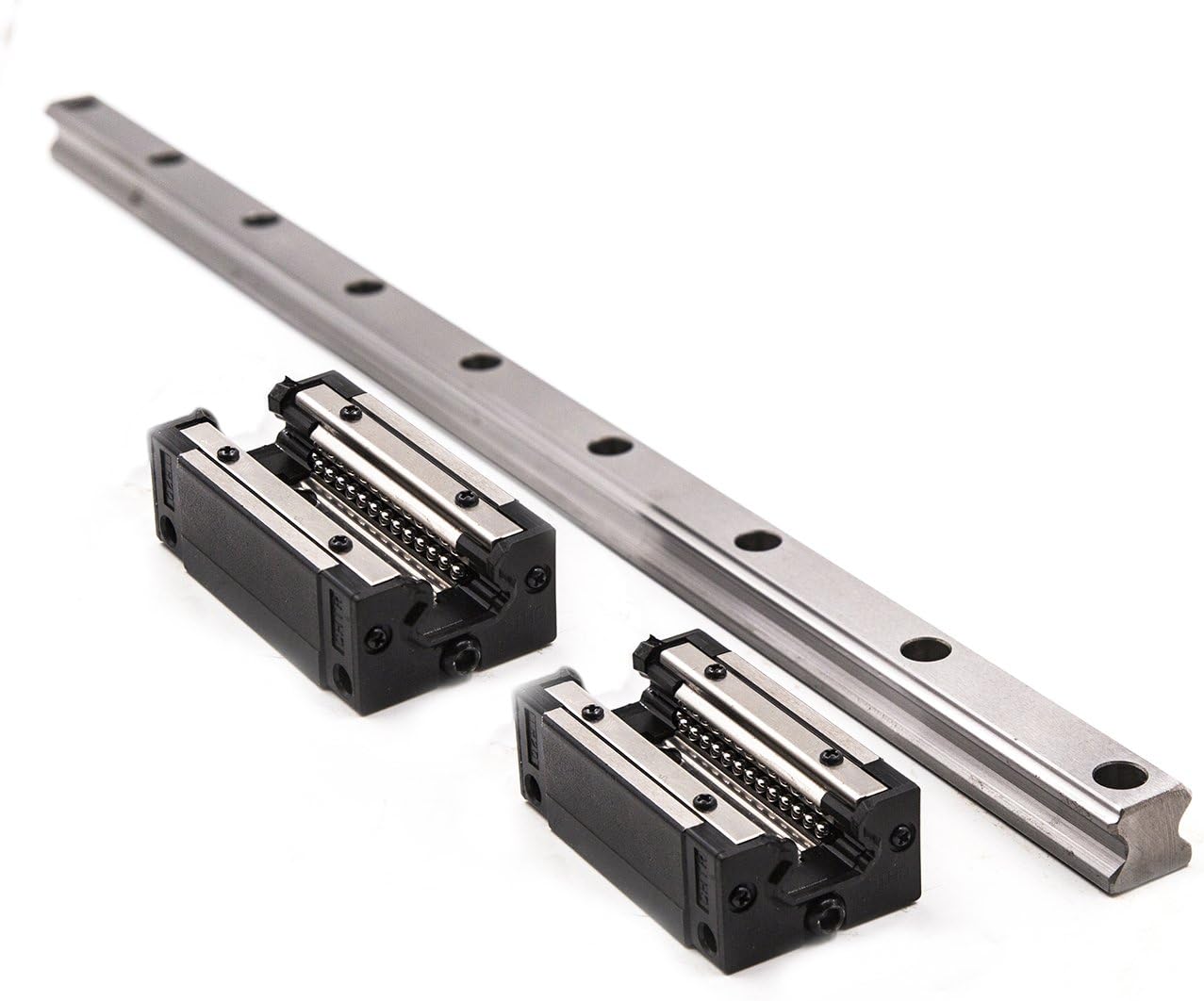
Signs of Wear or Damage in Linear Bearings and Maintenance
Identifying signs of wear or damage in linear bearings is essential for maintaining their performance and preventing costly failures. Here are common signs of wear and damage and how to address them:
- 1. Increased Friction:
If you notice increased resistance during linear motion, it could indicate that the bearing components are wearing out. This can lead to reduced efficiency and accuracy.
- Solution: Regular Lubrication:
Ensure proper lubrication of the bearings to minimize friction and prevent premature wear. Follow manufacturer recommendations for lubrication intervals and types.
- 2. Uneven Movement:
If the linear motion becomes uneven, jerky, or experiences sudden stops, it may be due to damaged bearing components.
- Solution: Inspection and Replacement:
Inspect the bearings and associated components for any signs of damage, such as dents or cracks. Replace any damaged parts to restore smooth motion.
- 3. Abnormal Noise:
Unusual noises during linear motion, such as grinding or clicking sounds, can indicate friction and wear within the bearings.
- Solution: Lubrication and Inspection:
Lubricate the bearings as recommended and inspect for any foreign particles or debris that might be causing the noise. Clean and replace components if necessary.
- 4. Increased Play or Clearance:
If there is noticeable play or excessive clearance in the linear system, it can affect precision and lead to inaccuracies.
- Solution: Adjustment or Replacement:
Check for loose bolts, misalignment, or worn components causing the play. Make necessary adjustments or replace worn parts to restore proper fit and function.
- 5. Reduced Performance:
If your linear system is no longer achieving the desired accuracy or performance, it could be due to worn bearings.
- Solution: Maintenance and Replacement:
Regularly perform maintenance tasks, such as cleaning, lubrication, and inspection. If performance does not improve, consider replacing the bearings with new ones.
- 6. Visible Damage:
Any visible signs of physical damage, such as deformation, corrosion, or cracks, require immediate attention.
- Solution: Replacement:
If the damage is severe, replace the damaged bearings promptly to avoid further issues.
Regular maintenance practices, including proper lubrication, cleaning, and inspection, are crucial for preventing wear and damage in linear bearings. Addressing any signs of wear early can extend the lifespan of the bearings and ensure consistent performance in various applications.
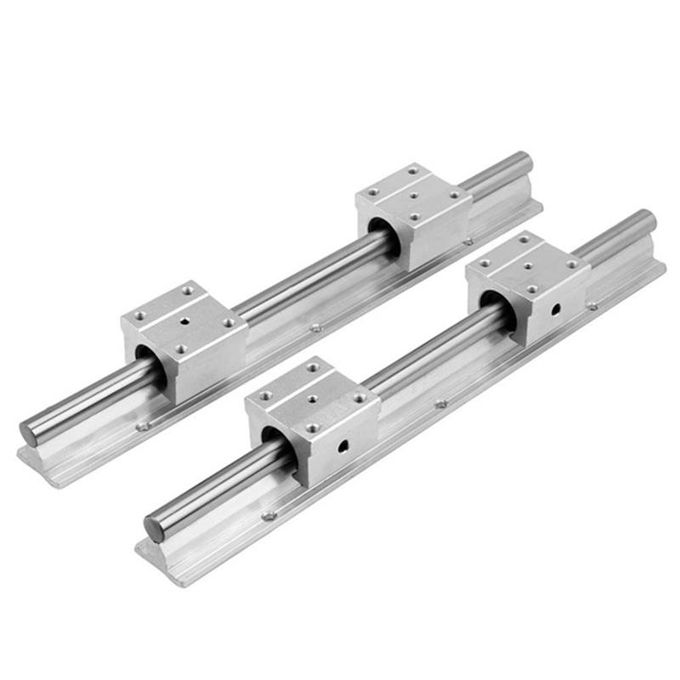
Managing Contamination and Debris in Linear Bearings
Contamination and debris pose significant challenges to the proper functioning of linear bearings. However, various measures are employed to effectively manage these issues:
- Preventive Sealing:
Linear bearings are often equipped with protective seals that act as barriers against contaminants. These seals prevent dust, dirt, and other particles from entering the bearing housing, thus reducing the risk of contamination.
- Shielding:
Linear bearings can incorporate shields that offer an additional layer of protection against debris. Shields are designed to keep larger particles away from the bearing’s rolling elements, enhancing the bearing’s longevity.
- Wipers and Scrapers:
Some linear bearings feature wipers or scrapers that actively remove debris from the bearing’s moving parts. These components help prevent the accumulation of contaminants that could compromise performance.
- Regular Maintenance:
Periodic inspection and cleaning are crucial to maintaining the cleanliness of linear bearings. Routine maintenance procedures help identify and remove any foreign particles that may have entered the bearing housing.
- Clean Environment:
Creating a clean operating environment is essential. In applications where contamination is a concern, steps are taken to minimize the presence of dust, dirt, and other pollutants in the vicinity of the linear bearings.
- Proper Lubrication:
Lubrication not only reduces friction but also creates a barrier against contaminants. The lubricant can help prevent particles from adhering to bearing surfaces, facilitating their removal during maintenance.
- Regular Inspections:
Frequent visual inspections can help identify early signs of contamination. Timely detection allows for prompt cleaning and maintenance, preventing further damage.
- Appropriate Sealing Materials:
Using high-quality sealing materials that are resistant to wear and tear is essential. The right materials can effectively keep contaminants out while withstanding the operating conditions.
- Choosing Suitable Environment:
Where possible, placing linear bearings in environments with lower levels of contamination or installing additional protective measures can help manage debris-related challenges.
By implementing these strategies, engineers and operators can effectively manage the challenges associated with contamination and debris, ensuring the optimal performance and longevity of linear bearings.
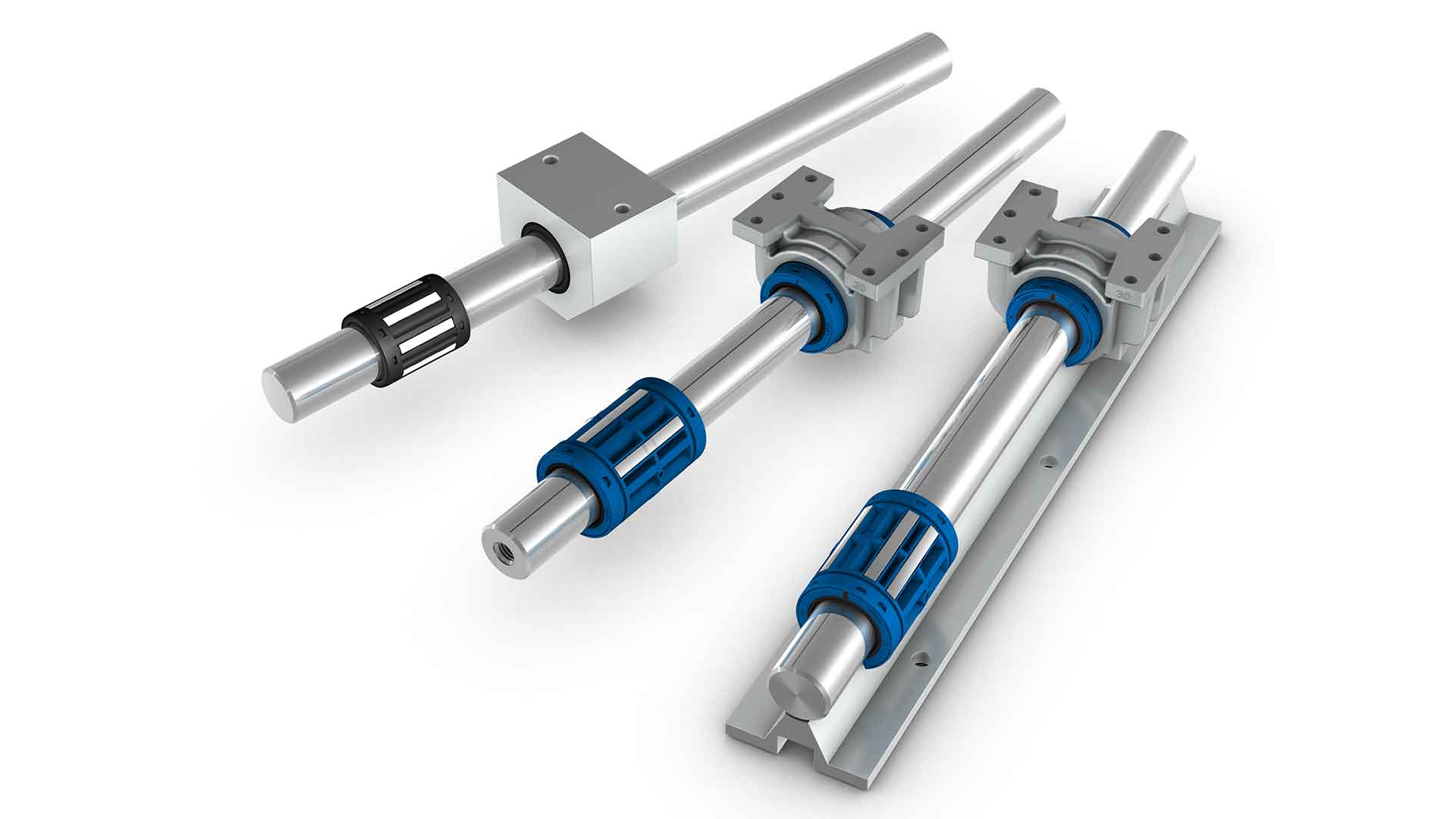
Examples of Crucial Motion Control Scenarios Using Linear Bearings
Linear bearings are crucial for achieving precise motion control in various scenarios where accuracy, repeatability, and smooth movement are essential. Here are some examples:
- 1. CNC Machining:
In computer numerical control (CNC) machines, linear bearings enable precise movement of the cutting tool or workpiece along multiple axes. This accuracy is necessary to produce complex and intricate parts with tight tolerances.
- 2. Semiconductor Manufacturing:
In semiconductor fabrication equipment, linear bearings control the movement of wafers, masks, and other components with micron-level precision. This precision is vital for creating tiny circuits and microchips.
- 3. 3D Printing:
In 3D printers, linear bearings ensure accurate positioning of the print head and build platform. This accuracy is crucial for creating intricate and detailed 3D-printed objects.
- 4. Laser Cutting and Engraving:
Linear bearings are used in laser cutting and engraving machines to control the movement of the laser head. Precise motion ensures accurate cutting and engraving on various materials.
- 5. Microscopy:
In microscopy applications, linear bearings enable precise positioning of microscope stages and objectives. This accuracy is essential for capturing detailed images and conducting precise measurements.
- 6. Metrology and Inspection:
Linear bearings are crucial in metrology and inspection equipment for accurately measuring and inspecting parts. This ensures compliance with quality standards and specifications.
- 7. Optical Systems:
In optical systems, linear bearings control the movement of lenses, mirrors, and other optical components. Precise motion is essential for maintaining accurate focus and alignment.
- 8. Coordinate Measuring Machines (CMMs):
Linear bearings in CMMs allow accurate measurement of parts’ dimensions and geometries. Precise motion ensures reliable measurement results.
- 9. Aerospace and Defense Testing:
In aerospace and defense industries, linear bearings are used in testing equipment to simulate various conditions. Accurate motion control is crucial for testing components’ performance and durability.
These examples highlight the critical role of linear bearings in achieving precise motion control across industries. Whether in manufacturing, research, or testing, linear bearings ensure accurate and repeatable movement for optimal results.


editor by CX 2024-03-06