Product Description
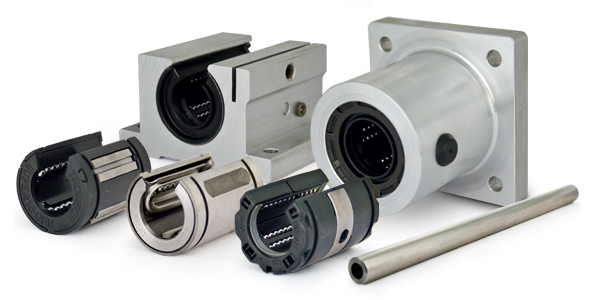
Flange Linear Bearing Lmk 80uu Lmf/Lmk Series
Specifications
Flange linear bearing LMK 80UU LMF/LMK Series
1. High Precision
2. Stable Quality
Flange linear bearing LMK 80UU LMF/LMK Series
Flange Linear Bearing Features:
1) Characteristics: good performances, low friction coefficients and long usage spans, competitive price, good service.
2) Series: linear bush series, slide unit series, shaft support series and ball screws
3) Types: LM, LME, KH, LMF, LMK, LMH, etc.
Both metric series and inch series are available.
Linear bearing Features:
UU stands for rubber seals on the both sides of the long type bearing
GA stands for steel retainer
LM stands for metric standard type
LME stands for inch standard type
OP stands for open type
AJ stands for adjustment type*LM…UU: LM…(sylinder), LM…OP(open type), LM…AJ(clearance adustable)
LME…UU: LME…(sylinder), LME…OP(open type), LME…AJ(clearance adustable), LM…UU & LME…UU: Long type
KH: High-precision mini bearing
Type LM-UU: This is the metric dimension series with seal used most frequently in Korea and Japan.
Type LME-UU: This is the metric dimension series with seal used most frequently in Europe.
Type LMB-UU: This is the inch dimension series with seal used most frequently in UK&USA
/* January 22, 2571 19:08:37 */!function(){function s(e,r){var a,o={};try{e&&e.split(“,”).forEach(function(e,t){e&&(a=e.match(/(.*?):(.*)$/))&&1
| Place of Origin: | Shandong China (Mainland) |
|---|---|
| Precision Rating: | P0 P4 P5 |
| Transport Package: | According to Per Client′s Requirements |
| Trademark: | Yiding |
| Origin: | China |
| Samples: |
US$ 6/Piece
1 Piece(Min.Order) | |
|---|
| Customization: |
Available
| Customized Request |
|---|
Considerations for Selecting the Right Type and Size of Linear Bearing
Choosing the appropriate type and size of linear bearing requires careful consideration of various factors to ensure optimal performance and compatibility with the application. Here are important considerations to keep in mind:
- 1. Load Capacity:
Determine the maximum load the linear bearing will need to support. Consider both static and dynamic loads to select a bearing that can handle the expected weight and forces.
- 2. Speed and Acceleration:
Assess the required speed and acceleration of the linear motion. Different linear bearing types have different speed limitations, so choose one that can accommodate the desired motion profile.
- 3. Precision and Accuracy:
If your application requires precise positioning, choose linear bearings that offer high accuracy and repeatability. Linear ball bearings are known for their precision, while linear roller bearings offer higher load capacity.
- 4. Environment:
Consider the operating environment, including temperature, humidity, dust, and potential exposure to chemicals. Select linear bearings that are designed to withstand the specific environmental conditions.
- 5. Rail or Shaft Compatibility:
Ensure that the chosen linear bearing is compatible with the rail or shaft you intend to use. Proper fit and alignment are crucial for smooth motion and long bearing life.
- 6. Space Constraints:
If your application has limited space, choose compact linear bearings that can fit within the available area without compromising performance.
- 7. Maintenance Requirements:
Consider the level of maintenance your application can accommodate. Some linear bearings are self-lubricating, reducing the need for frequent maintenance.
- 8. Noise Level:
For noise-sensitive environments, opt for linear bearings that provide quiet operation to avoid disruptions caused by excessive noise.
- 9. Mounting Options:
Consider how the linear bearing will be mounted and integrated into your system. Different bearings may require specific mounting configurations.
- 10. Cost and Budget:
Balance the desired features and performance with your budget constraints. While high-performance linear bearings may offer advanced features, they can also come at a higher cost.
By carefully evaluating these factors, you can choose the most suitable type and size of linear bearing for your specific application. Consulting with bearing manufacturers and engineers can also provide valuable insights to ensure the optimal selection.
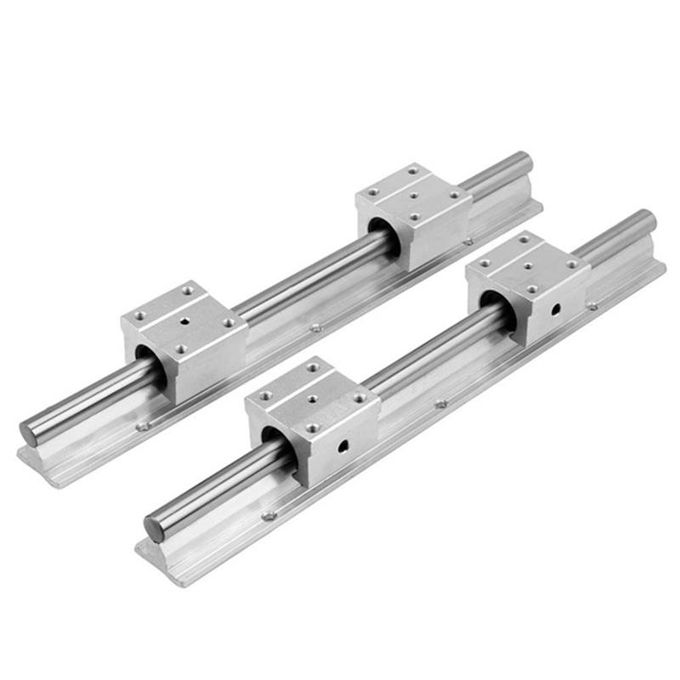
Managing Contamination and Debris in Linear Bearings
Contamination and debris pose significant challenges to the proper functioning of linear bearings. However, various measures are employed to effectively manage these issues:
- Preventive Sealing:
Linear bearings are often equipped with protective seals that act as barriers against contaminants. These seals prevent dust, dirt, and other particles from entering the bearing housing, thus reducing the risk of contamination.
- Shielding:
Linear bearings can incorporate shields that offer an additional layer of protection against debris. Shields are designed to keep larger particles away from the bearing’s rolling elements, enhancing the bearing’s longevity.
- Wipers and Scrapers:
Some linear bearings feature wipers or scrapers that actively remove debris from the bearing’s moving parts. These components help prevent the accumulation of contaminants that could compromise performance.
- Regular Maintenance:
Periodic inspection and cleaning are crucial to maintaining the cleanliness of linear bearings. Routine maintenance procedures help identify and remove any foreign particles that may have entered the bearing housing.
- Clean Environment:
Creating a clean operating environment is essential. In applications where contamination is a concern, steps are taken to minimize the presence of dust, dirt, and other pollutants in the vicinity of the linear bearings.
- Proper Lubrication:
Lubrication not only reduces friction but also creates a barrier against contaminants. The lubricant can help prevent particles from adhering to bearing surfaces, facilitating their removal during maintenance.
- Regular Inspections:
Frequent visual inspections can help identify early signs of contamination. Timely detection allows for prompt cleaning and maintenance, preventing further damage.
- Appropriate Sealing Materials:
Using high-quality sealing materials that are resistant to wear and tear is essential. The right materials can effectively keep contaminants out while withstanding the operating conditions.
- Choosing Suitable Environment:
Where possible, placing linear bearings in environments with lower levels of contamination or installing additional protective measures can help manage debris-related challenges.
By implementing these strategies, engineers and operators can effectively manage the challenges associated with contamination and debris, ensuring the optimal performance and longevity of linear bearings.
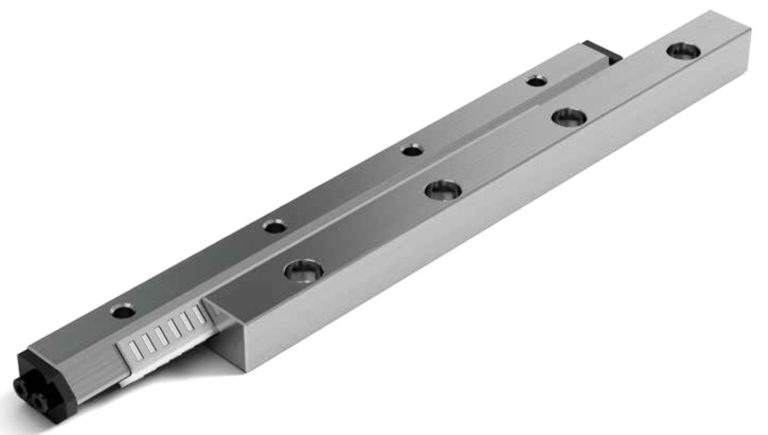
Factors to Consider When Selecting a Linear Bearing
Choosing the right linear bearing for a specific application involves considering several critical factors to ensure optimal performance and longevity:
- Load Requirements:
Determine the magnitude and direction of the loads the linear bearing will experience. Consider both static and dynamic loads to select a bearing with an appropriate load capacity.
- Precision and Accuracy:
For applications requiring precise positioning, choose linear bearings with high precision and low backlash. Factors like repeatability and positional accuracy are crucial.
- Speed and Acceleration:
Consider the speed and acceleration at which the linear bearing will operate. Higher speeds may require bearings with lower friction and better heat dissipation.
- Environmental Conditions:
Assess the environmental factors such as temperature, humidity, and exposure to contaminants. Choose linear bearings with suitable materials and seals to withstand the conditions.
- Space Constraints:
Take into account the available space for mounting the linear bearing. Some applications may have limited space, necessitating compact and lightweight bearing options.
- Maintenance Requirements:
Consider the maintenance needs of the bearing. Bearings with self-lubricating properties or easy access for lubrication can reduce maintenance frequency.
- Mounting and Configuration:
Choose a linear bearing that can be easily mounted and integrated into your system’s design. Consider factors like mounting orientation and available mounting surfaces.
- Life Expectancy:
Estimate the expected lifespan of the linear bearing based on the application’s requirements. Select a bearing with a suitable design life to prevent premature failures.
- Cost and Budget:
Balance the desired performance with the available budget. Opt for linear bearings that provide the necessary features without exceeding cost limitations.
- Accessories and Add-ons:
Consider any additional accessories or add-ons, such as seals, lubrication systems, or end caps, that can enhance the bearing’s performance and protection.
- Manufacturer and Supplier:
Choose reputable manufacturers and suppliers that offer reliable products and good customer support. Quality assurance and technical assistance are essential.
Overall, a comprehensive assessment of these factors will help you select the most suitable linear bearing for your specific application, ensuring optimal performance, longevity, and cost-effectiveness.


editor by CX 2024-03-24