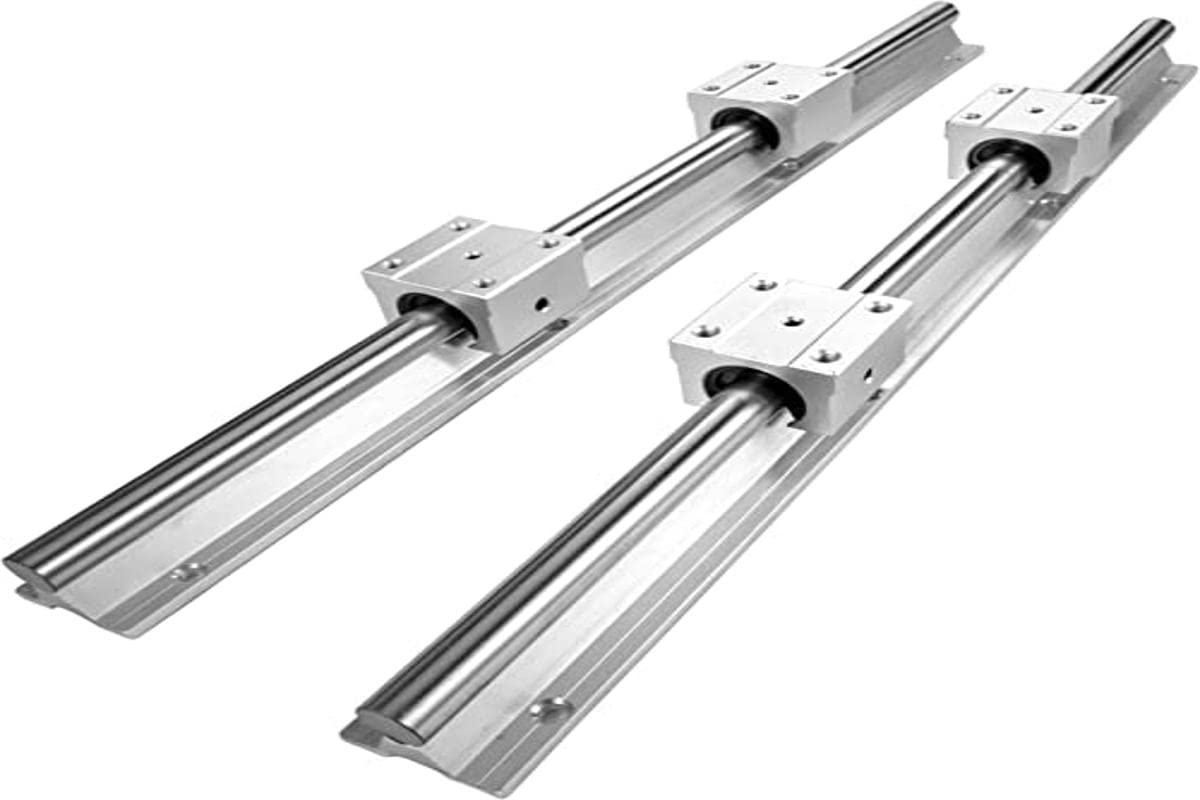
Prolonging the Life of Linear Bearings Through Maintenance Practices
Implementing proper maintenance practices is essential to extend the lifespan of linear bearings and ensure their optimal performance. Here are specific maintenance practices that can help:
- 1. Regular Lubrication:
Ensure that linear bearings are properly lubricated as recommended by the manufacturer. Adequate lubrication minimizes friction, reduces wear, and prevents premature failure.
- 2. Cleaning:
Regularly clean the linear bearing components to remove dirt, debris, and contaminants. Keeping the bearings clean reduces the risk of abrasive particles causing damage.
- 3. Inspection:
Periodically inspect linear bearings for signs of wear, damage, or misalignment. Look for uneven wear patterns, visible damage, or any unusual behavior during motion.
- 4. Alignment:
Ensure proper alignment of the linear components to prevent excessive stress on the bearings. Misalignment can lead to premature wear and reduced lifespan.
- 5. Proper Handling:
Handle linear bearings with care during installation and maintenance. Avoid dropping or impacting the bearings, which can cause internal damage.
- 6. Load Distribution:
Distribute loads evenly across multiple linear bearings if applicable. This prevents overloading individual bearings and extends their life.
- 7. Environmental Considerations:
Protect linear bearings from harsh environments, extreme temperatures, and corrosive substances. Use appropriate seals and enclosures to prevent contamination.
- 8. Regular Maintenance Schedule:
Create a maintenance schedule based on usage and manufacturer recommendations. Consistent maintenance helps identify issues early and prevents unexpected failures.
- 9. Proper Storage:
Store spare linear bearings in a clean and dry environment. Avoid exposure to moisture and dust, which can damage the bearings over time.
- 10. Consult Manufacturer Guidelines:
Follow the manufacturer’s guidelines and recommendations for maintenance, lubrication, and replacement intervals specific to the linear bearings you are using.
By implementing these maintenance practices, you can significantly prolong the life of linear bearings, reduce downtime, and ensure optimal performance in various applications.
Recent Advancements in Linear Bearing Technology
Recent years have seen significant advancements in linear bearing technology, leading to improved performance, reliability, and versatility. Some notable developments include:
- Nanotechnology: The integration of nanotechnology has allowed for the development of ultra-precision linear bearings with nanometer-scale accuracy. These bearings are ideal for applications requiring extremely fine movement and positioning.
- Smart Bearings: Advances in sensor technology have enabled the creation of smart linear bearings that can monitor parameters like temperature, load, and vibration in real time. This data helps in predictive maintenance and optimizing operational efficiency.
- Materials Innovation: New materials with enhanced properties, such as self-lubricating and corrosion-resistant coatings, have extended the lifespan of linear bearings and reduced the need for frequent lubrication and maintenance.
- Compact Designs: Manufacturers are designing more compact linear bearings to suit space-constrained applications while maintaining high load capacity and precision.
- Environmental Sustainability: There’s a growing emphasis on developing linear bearings with reduced environmental impact, including using eco-friendly materials and designs that require less energy to operate.
- Integration of IoT: Linear bearings are being integrated into the Internet of Things (IoT) networks, allowing them to communicate with other equipment and systems for seamless automation and optimization.
- Magnetic Levitation Bearings: Magnetic levitation (maglev) technology is being applied to linear bearings to create frictionless movement, reducing wear and enabling smoother and more precise motion.
- Advanced Coatings: Coatings with enhanced wear resistance, low friction, and improved thermal properties are being applied to linear bearings, extending their service life in challenging environments.
These advancements have contributed to the expanding range of applications where linear bearings can be used, from aerospace and automotive industries to medical devices and consumer electronics. As technology continues to evolve, linear bearings will play a crucial role in enabling more efficient and precise motion control across various sectors.
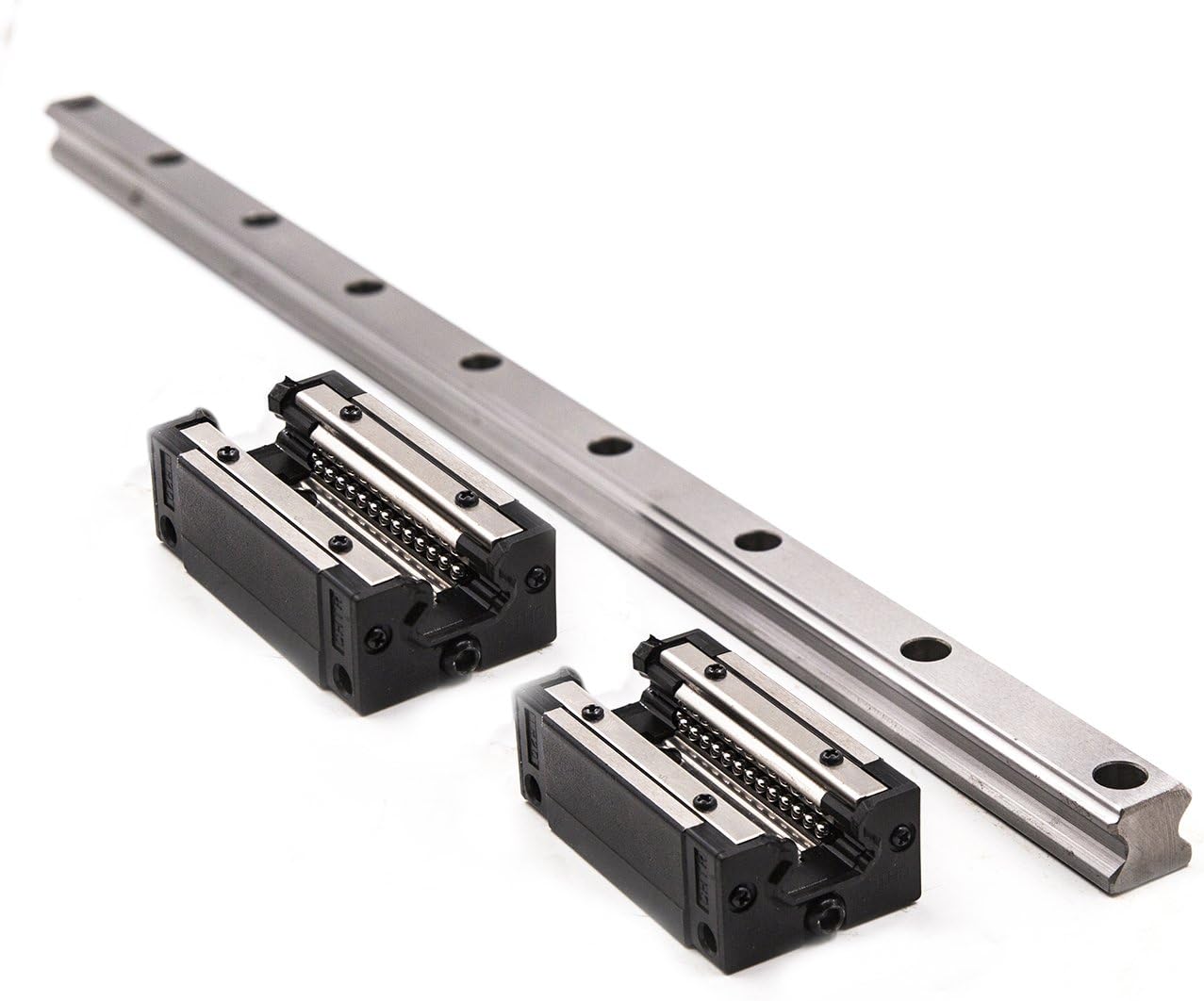
Linear Bearings: Definition and Applications
Linear bearings are mechanical components designed to facilitate smooth and controlled linear motion in a single direction. They are widely used across various industries to provide precise movement and guidance in applications where traditional rotary bearings are not suitable. Linear bearings offer several advantages and find use in a diverse range of applications:
- Precision Machinery:
Linear bearings are a fundamental part of precision machinery such as CNC machines, laser cutting equipment, and coordinate measuring machines. They ensure accurate movement and positioning of tools and components, enabling high-quality and intricate work.
- Industrial Automation:
In automated manufacturing and assembly lines, linear bearings play a critical role in moving robotic arms, conveyors, and various stages along predefined paths. Their ability to provide smooth and repeatable motion contributes to increased production efficiency.
- Medical Devices:
Linear bearings are essential in medical devices like diagnostic machines, imaging systems, and robotic surgical equipment. They enable precise movement and positioning required for accurate diagnoses and minimally invasive procedures.
- Packaging Machinery:
In packaging industries, linear bearings guide the motion of conveyor belts, sealing mechanisms, and labeling devices. These bearings ensure consistent and reliable packaging processes.
- Material Handling:
Linear bearings are used in various material handling equipment such as pick-and-place systems, automated warehouses, and sorting machines. They enable efficient movement of goods and materials with reduced friction and wear.
- Semiconductor Manufacturing:
In semiconductor fabrication, where extreme precision is crucial, linear bearings are employed in wafer handling, chip assembly, and inspection equipment. They ensure contamination-free motion and positioning of delicate components.
- Textile Machinery:
Textile machines use linear bearings for guiding yarn paths, thread tensioning, and controlling the movement of fabric during weaving and knitting. These bearings contribute to the quality and efficiency of textile production.
- Automotive Manufacturing:
Linear bearings are found in automotive assembly lines for tasks such as welding, painting, and component installation. They provide accurate movement and positioning of vehicle parts, contributing to the production process.
- Aerospace and Defense:
In aerospace applications, linear bearings are used in various mechanisms, including aircraft seats, control surfaces, and satellite deployment systems. Their reliability and precision are crucial in these demanding environments.
- Renewable Energy:
In wind turbines and solar panel manufacturing, linear bearings are used to adjust the positioning of blades, solar panels, and tracking systems. They contribute to the efficiency of renewable energy generation.
Overall, linear bearings offer precise, controlled, and smooth linear motion in diverse applications across industries. Their ability to guide and support loads while minimizing friction and wear makes them essential components for achieving accurate movement and improved operational efficiency.


editor by CX 2024-05-07