Product Description
LMH6UU LMH8UU LMH10UU LMH12UU LMH13UU LMH16UU LMH20UU LMH25UU LMH30UU
LMEF8UU LMEF12UU LMEF16UU LMEF20UU LMEF25UU LMEF30UU LMEF40UU LMEF50UU LMEF60UU
LMEK8UU LMEK12UU LMEK16UU LMEK20UU LMEK25UU LMEK30UU LMEK40UU LMEK50UU LMEK60UU
KH0824 KH1026 KH1228 KH1428 KH1630 KH2030 KH2540 KH3050 KH4060 KH5070
LMF6LUU LMF8LUU LMF10LUU LMF12LUU LMF13LUU LMF16LUU LMF20LUU LMF25LUU LMF30LUU LMF35LUU LMF40LUU LMF50LUU LMF60LUU
LMK6LUU LMK8LUU LMK10LUU LMK12LUU LMK13LUU LMK16LUU LMK20LUU LMK25LUU LMK30LUU LMK35LUU LMK40LUU LMK50LUU LMK60LUU
LMH6LUU LMH8LUU LMH10LUU LMH12LUU LMH13LUU LMH16LUU LMH20LUU LMH25LUU LMH30LUU
/* January 22, 2571 19:08:37 */!function(){function s(e,r){var a,o={};try{e&&e.split(“,”).forEach(function(e,t){e&&(a=e.match(/(.*?):(.*)$/))&&1
| Rolling Element: | Single Row |
|---|---|
| Structure: | Rod End |
| Material: | Stainless Steel |
| Load Direction: | Radial Spherical Plain Bearing |
| Add Lubricant: | Self-lubricating |
| Outer Structure: | Outer Ring of Single-Slit |
| Samples: |
US$ 1/Piece
1 Piece(Min.Order) | |
|---|
| Customization: |
Available
| Customized Request |
|---|
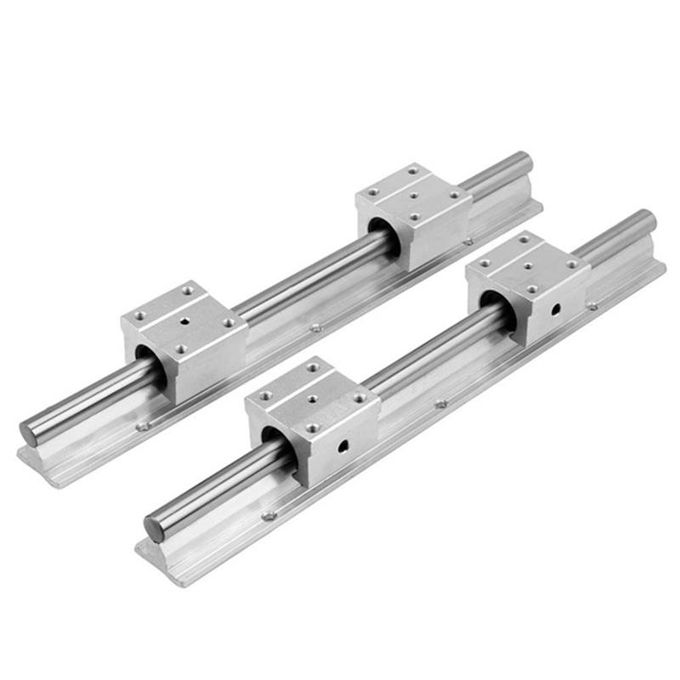
Differences Between Linear Ball Bearings and Linear Roller Bearings
Linear ball bearings and linear roller bearings are two distinct types of linear bearings, each with its own design and characteristics. Here’s how they differ and when they are preferred:
- 1. Design:
Linear ball bearings use ball bearings to provide rolling motion along the shaft. Linear roller bearings, on the other hand, use cylindrical or needle rollers for motion. Roller bearings have a larger contact area, distributing the load over a broader surface.
- 2. Load Capacity:
Linear roller bearings typically have a higher load-carrying capacity compared to linear ball bearings. This makes them suitable for applications with heavier loads and greater force requirements.
- 3. Friction and Smoothness:
Linear ball bearings offer lower friction and smoother motion due to the point contact between the balls and the shaft. Roller bearings may have slightly higher friction but can handle larger loads without sacrificing smoothness.
- 4. Precision and Accuracy:
Linear ball bearings are often preferred for applications requiring high precision and accuracy. Their point contact provides precise positioning and repeatability, making them suitable for tasks like CNC machining and optical systems.
- 5. Noise and Vibration:
Linear ball bearings tend to generate less noise and vibration due to their smoother rolling action. Roller bearings may produce slightly more noise but are still used in applications where noise is not a critical factor.
- 6. Speed:
Linear ball bearings are well-suited for high-speed applications due to their low friction and smooth motion. Roller bearings are also capable of high speeds but may have slightly different characteristics.
- 7. Cost:
Linear ball bearings are often more cost-effective for lower-load and precision applications. Linear roller bearings may be preferred for heavy-duty applications, which may justify their higher cost.
- 8. Application Scenarios:
Linear ball bearings are commonly used in applications where precision, smooth motion, and accuracy are paramount, such as in CNC machinery, 3D printers, and optical systems. Linear roller bearings excel in applications with higher loads, such as heavy machinery, material handling, and industrial automation.
In summary, the choice between linear ball bearings and linear roller bearings depends on the specific requirements of the application. Each type has its strengths and weaknesses, and selecting the right type ensures optimal performance and longevity.
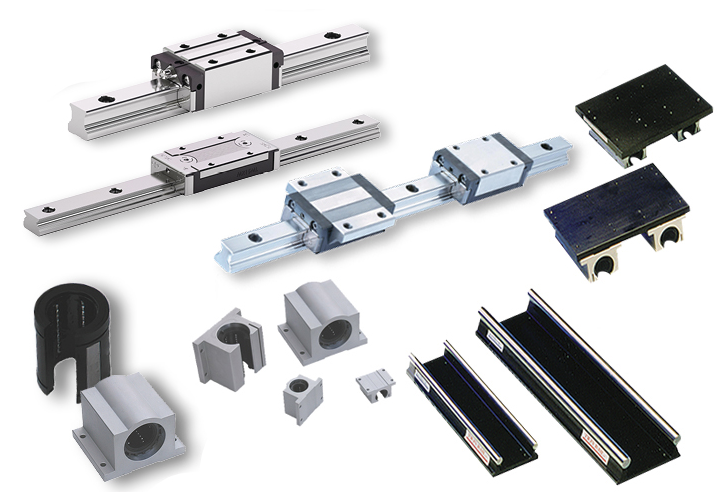
Contribution of Linear Bearings to Smooth Movement of Conveyors and Slides
Linear bearings play a crucial role in ensuring the smooth movement and operation of industrial conveyors and linear slides. Their contributions are as follows:
- Reduced Friction:
Linear bearings are designed to minimize friction between moving components, facilitating smooth motion of conveyors and linear slides. This reduces wear and tear, energy consumption, and the need for frequent maintenance.
- Precision Movement:
Linear bearings enable precise positioning and controlled movement. This precision is vital for conveyors and slides that require accurate placement of materials, products, or components.
- Stability and Load Distribution:
Linear bearings distribute loads evenly across the bearing surface, enhancing stability and preventing uneven wear. This is especially important for conveyors that handle varying loads and linear slides that support heavy components.
- Quiet and Vibration-Free Operation:
Linear bearings contribute to quiet and vibration-free operation. This is crucial in environments where noise reduction and minimal vibrations are essential for the comfort of operators and the integrity of products.
- Efficient Energy Transfer:
Linear bearings ensure efficient energy transfer by reducing energy losses due to friction. This efficiency is particularly beneficial in systems where multiple conveyors or slides are connected, improving overall system performance.
- Longevity and Reliability:
Linear bearings enhance the longevity and reliability of conveyors and slides by reducing wear on moving parts. This results in extended operational lifespans and reduced downtime for maintenance.
- Flexibility and Customization:
Linear bearings come in various designs and sizes, allowing for customization to suit specific conveyor or slide requirements. This adaptability is valuable for accommodating different loads and motion profiles.
- Wide Range of Industries:
Linear bearings find application in industries such as manufacturing, logistics, packaging, and material handling, where conveyors and linear slides are essential components of the workflow.
In summary, linear bearings contribute significantly to the efficient, precise, and reliable movement of industrial conveyors and linear slides. Their ability to reduce friction, ensure stability, and support heavy loads enhances the overall performance of these systems.
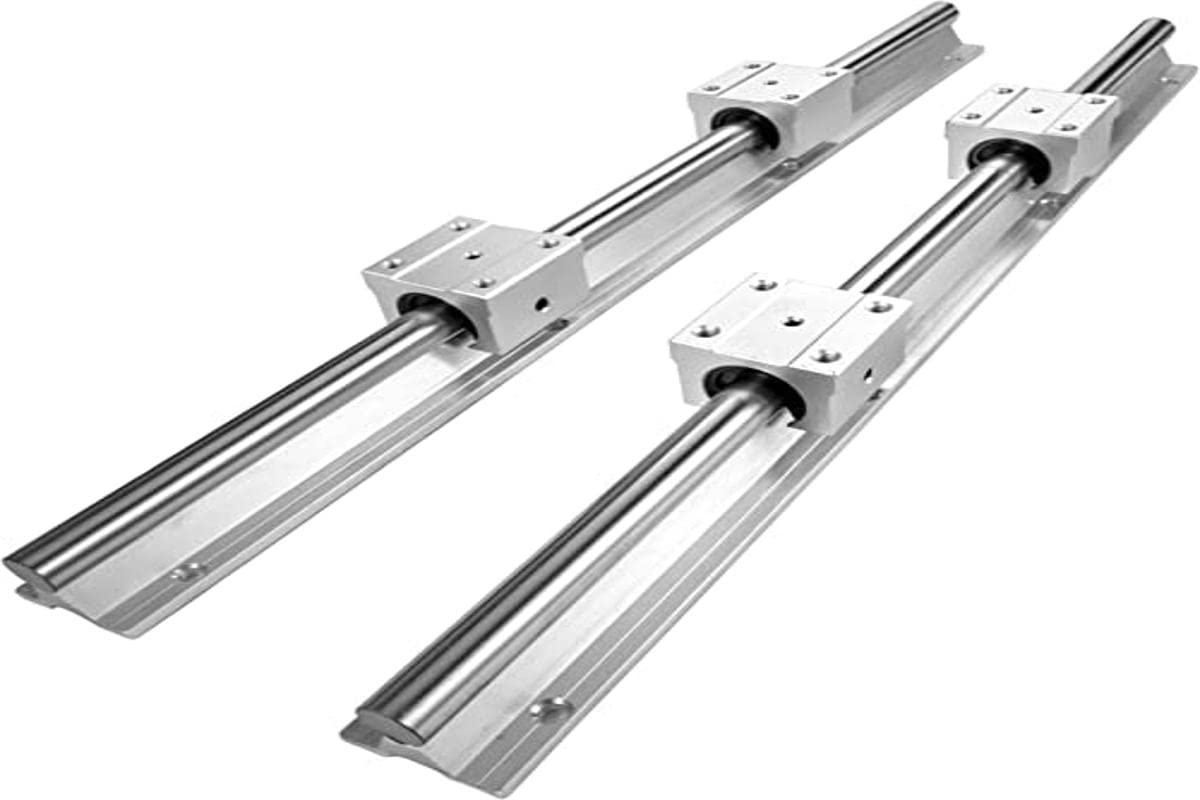
Advantages of Linear Bearings over Other Bearing Types
Linear bearings offer several distinct advantages when compared to other types of bearings, particularly in applications that require controlled linear motion. These benefits contribute to their widespread use across various industries:
- Precise Linear Motion:
Linear bearings are designed specifically for linear motion, providing accurate and controlled movement along a defined path. This precision is essential in applications that demand accurate positioning and repeatability.
- Low Friction:
Linear bearings are designed to minimize friction during motion. The reduced friction translates to smoother movement, reduced wear, and improved efficiency, making them suitable for applications requiring consistent motion.
- High Load Capacity:
Linear bearings can handle significant loads in both radial and axial directions. This capability allows them to support heavy components and maintain stability under various loads.
- Minimal Maintenance:
Due to their design and minimal contact between moving parts, linear bearings require less maintenance compared to other types of bearings. This is particularly advantageous in hard-to-reach or inaccessible areas.
- Guided Motion:
Linear bearings provide guided and constrained motion along a single axis. This guidance eliminates the need for complex guiding mechanisms, reducing design complexity and simplifying assembly.
- Compact Design:
Linear bearings have a compact form factor, making them suitable for applications with limited space. Their small footprint allows for efficient use of available area.
- Low Noise and Vibration:
Linear bearings generate minimal noise and vibration during operation, contributing to quieter and more comfortable working environments in applications such as medical devices and precision machinery.
- Smooth Movement:
Linear bearings offer smooth and consistent movement, essential for applications requiring continuous and controlled motion, such as robotic systems and conveyor belts.
- Customization:
Linear bearings can be designed to fit specific application requirements, including load capacity, travel distance, and environmental conditions. This customization enhances their suitability for diverse applications.
- Reduced Wear:
The low friction and guided motion of linear bearings result in reduced wear on both the bearing and the mating surface, leading to longer service life and reduced maintenance costs.
Overall, the benefits of using linear bearings make them a preferred choice in applications that demand accurate linear motion, efficient load handling, and reduced maintenance. Their ability to deliver precision, stability, and reliability contributes to improved performance across various industries.


editor by CX 2024-05-06