Product Description
Product Description
Description Linear motion Rolling CZPT series
ERSK Linear offers linear bearings in a variety of different options to meet a wide range of customer needs. Available in hardened steel, CK45 material steel, SUJ2 material steel, Aluminium alloy material , inch and metric, Simplicity Shafting maintains the ideal surface finish for linear plain bearings and ball bearings.
Solid round shafting is available in inch sizes from 3/16″ thru 4″ and metric sizes from 3 mm thru 80 mm
Linear bushing (LM) Products
Low frictional linear motion
Steel balls are accurately guided by a retainer, so low frictional resistance and stable linear motion can be achieved.
Simple replacement of conventional plain bushings
It is easy to use Linear Bushings instead of conventional plain bushings, because both types are used with a round shaft, and no major redesign is necessary.
Wide variations
For each dimensional series, standard, adjustable clearance and open types are available with and without seals, so the best linear bushing for the application may be selected. In addition to the standard type, the high-rigidity long type is available. These types can be selected to suit the requirements in applications.
Miniature linear bushing LM
Compact design
Miniature Linear Bushing is very small in size, allowing for compact assembly in machines and equipment.
High Reliability
ERSK linear bearing has very stringent quality control standards covering every production process. With proper lubrication and use,trouble-free operation for an extended period of time is possible.
Smooth Operation
The high efficiency of linear shaft is vastly superior to conventional shaft. The torque required is less than 30%. Linear motion can be easily changed from rotary motion. The linear bearings are moved very smoothly in the linear shaft.
High Durability
Rigidly selected materials, intensive heat treating and processing techniques, backed by years of experience,have resulted in the most durable linear bearings manufactured.
Linear bearings, linear blocks, linear bushing, linear motion units, linear motion slide
Application
For delicate application in industrial application, machine tool and automation application.
Detailed Photos
Product Parameters
Linear Bearing
Material and Heat Treatment
Matched parts:
|
Item |
Material |
Surface Treatment |
|
Linear bearing: SC,SC-AJ, SC-L,SC-AJ-L,SCE,SCE-L,SCE-AJ,SCE-AJ-L |
Aluminium alloy |
Clear Anodized |
|
Linear shaft support: SHF, SK |
Aluminium alloy |
Clear Anodized |
|
Open linear blocks: SBR, SBR-L,SBR-PP, TBR,TBR-L |
Aluminium alloy |
Clear Anodized |
|
Linear bushing: LM, LM-AJ, LM-OP, LM-L, LME, LME-AJ, LME-OP |
Bearing steel |
Induction Heating Hardening or |
|
Square Flange linear bushing: LMK, LMK-L, LMEK , LMEK-L, |
Bearing steel |
Induction Heating Hardening or Electroless Nickel Plating |
| Round Flange linear bushing: LMF, LMF-L, LMEF , LMEF-L, |
Bearing steel |
|
| Double cutting flange linear bushing: LMH,LMH-L, LMEH, LMEH-L | Bearing steel |
Induction Heating Hardening or Electroless Nickel Plating |
|
Item |
Model |
|
Linear shaft support rail |
SBR, TBR |
|
Ball-type linear bearings |
LM-UU, LM-AJUU,LM-LUU |
|
Flange mounts-plain linear bearings |
LMF-UU,LMK-UU, LMH-UU LMF-LUU,LMK-LUU, LMH-LUU |
|
Flange mounts- linear ball bearing |
LMF-UU,LMK-UU, LMH-UU LMF-LUU,LMK-LUU, LMH-LUU |
|
Linear ball bearing pillow blocks |
SC-UU,SC-AJUU,SC-VUU, SC-LUU,SC-AJLUU,SBR-UU, TBR-UU,SBR-LUU,TBR-LUU SBR-PPUU |
|
Linear shaft bearing |
SK, SHF |
Packaging & Shipping
PP bag for each linear shaft, Standard exported carton outside for small order shipping by international express, such as DHL, TNT, UPS
Wooden box outside for big quantity or very long linear shaft by sea, by air
Company Profile
Our principle:
Quality first, credibility is the key, the price followed
Our Advantages
Our service
Our Services:
1) ERSK professional manufacturer
a,Professional exporting team
b,very experience production factory from 2004 year
c,Have ourselves brand ERSK
2) Quality Control
a,QC department to control quality for each step
b,High precision production equipment, such as Chiron FZ15W, DMG XIHU (WEST LAKE) DIS. MAX3000 Machining Centers, Control precision automatically
c,ISO9001:2008 quality control system
3) Competitive Price
4) Quickly Delivery
a,High efficient production team,Large warehous, sufficient stock,
b,Delivery time: 2-7days to small order, 7-30days to bulk order
Related products
There are many kinds of products we can offer, If you are interested in them, please click the picture and see the details.
/* January 22, 2571 19:08:37 */!function(){function s(e,r){var a,o={};try{e&&e.split(“,”).forEach(function(e,t){e&&(a=e.match(/(.*?):(.*)$/))&&1
| Feature: | Magnetically, Low Temperature, Corrosion Resistant, High Temperature, High Speed |
|---|---|
| Function: | Ordinary |
| Flange Shape: | Cutting-Edge |
| Samples: |
US$ 40/Piece
1 Piece(Min.Order) | Order Sample ball screw assemble
|
|---|
| Customization: |
Available
| Customized Request |
|---|
.shipping-cost-tm .tm-status-off{background: none;padding:0;color: #1470cc}
|
Shipping Cost:
Estimated freight per unit. |
about shipping cost and estimated delivery time. |
|---|
| Payment Method: |
|
|---|---|
|
Initial Payment Full Payment |
| Currency: | US$ |
|---|
| Return&refunds: | You can apply for a refund up to 30 days after receipt of the products. |
|---|
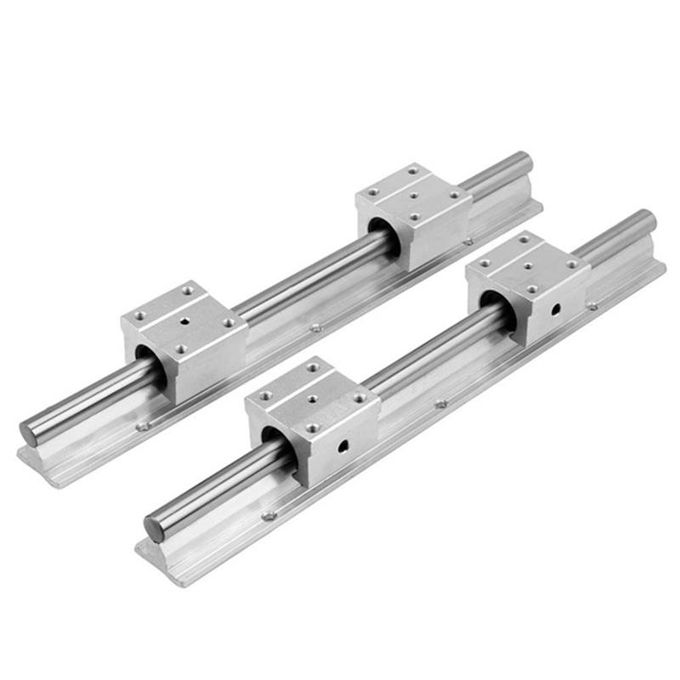
Differences Between Linear Ball Bearings and Linear Roller Bearings
Linear ball bearings and linear roller bearings are two distinct types of linear bearings, each with its own design and characteristics. Here’s how they differ and when they are preferred:
- 1. Design:
Linear ball bearings use ball bearings to provide rolling motion along the shaft. Linear roller bearings, on the other hand, use cylindrical or needle rollers for motion. Roller bearings have a larger contact area, distributing the load over a broader surface.
- 2. Load Capacity:
Linear roller bearings typically have a higher load-carrying capacity compared to linear ball bearings. This makes them suitable for applications with heavier loads and greater force requirements.
- 3. Friction and Smoothness:
Linear ball bearings offer lower friction and smoother motion due to the point contact between the balls and the shaft. Roller bearings may have slightly higher friction but can handle larger loads without sacrificing smoothness.
- 4. Precision and Accuracy:
Linear ball bearings are often preferred for applications requiring high precision and accuracy. Their point contact provides precise positioning and repeatability, making them suitable for tasks like CNC machining and optical systems.
- 5. Noise and Vibration:
Linear ball bearings tend to generate less noise and vibration due to their smoother rolling action. Roller bearings may produce slightly more noise but are still used in applications where noise is not a critical factor.
- 6. Speed:
Linear ball bearings are well-suited for high-speed applications due to their low friction and smooth motion. Roller bearings are also capable of high speeds but may have slightly different characteristics.
- 7. Cost:
Linear ball bearings are often more cost-effective for lower-load and precision applications. Linear roller bearings may be preferred for heavy-duty applications, which may justify their higher cost.
- 8. Application Scenarios:
Linear ball bearings are commonly used in applications where precision, smooth motion, and accuracy are paramount, such as in CNC machinery, 3D printers, and optical systems. Linear roller bearings excel in applications with higher loads, such as heavy machinery, material handling, and industrial automation.
In summary, the choice between linear ball bearings and linear roller bearings depends on the specific requirements of the application. Each type has its strengths and weaknesses, and selecting the right type ensures optimal performance and longevity.
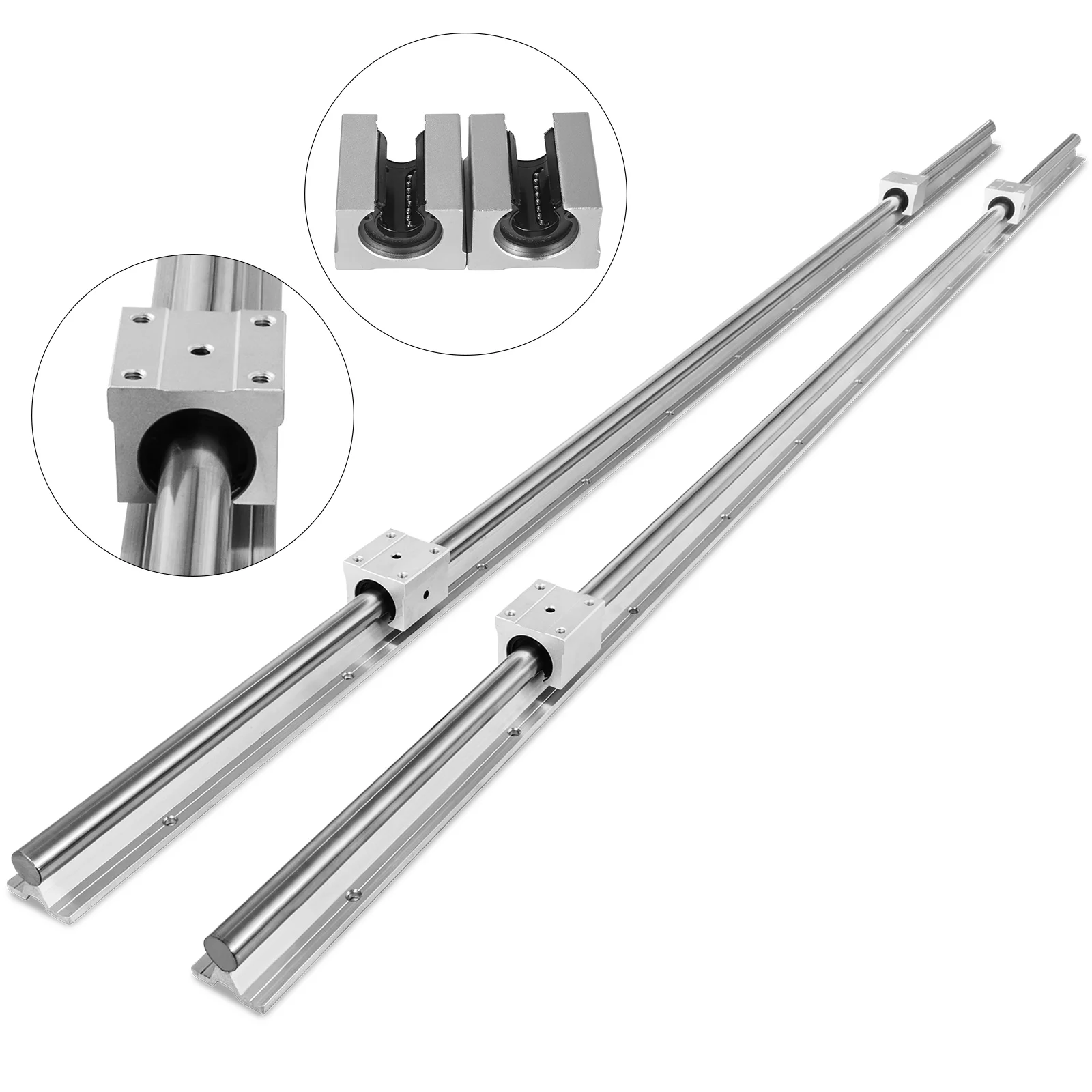
Advancements in Linear Bearing Technology
Recent years have witnessed significant advancements in linear bearing technology, leading to improved performance and expanded applications. Some notable advancements include:
- Rolling Element Innovations:
Manufacturers are introducing new types of rolling elements, such as ceramic balls and specialized coatings, to enhance load capacity, reduce friction, and extend the lifespan of linear bearings.
- Lubrication Solutions:
Advanced lubrication techniques, including self-lubricating materials and greases with extended lifetimes, are being developed to optimize the performance of linear bearings while reducing maintenance needs.
- Smart and Sensor-Integrated Bearings:
Linear bearings with built-in sensors provide real-time data on temperature, vibration, and wear. This enables predictive maintenance, early fault detection, and optimization of bearing performance.
- Improved Corrosion Resistance:
New materials and coatings are being employed to enhance the corrosion resistance of linear bearings. This is particularly beneficial in environments where exposure to moisture and corrosive substances is a concern.
- Reduced Friction and Energy Consumption:
Advanced engineering and design techniques are leading to lower friction coefficients and reduced energy consumption in linear bearings. This not only improves efficiency but also contributes to sustainability efforts.
- High-Speed Capabilities:
Linear bearings capable of operating at higher speeds are being developed to meet the demands of applications requiring rapid and precise movements, such as in the semiconductor and electronics industries.
- Enhanced Sealing and Contaminant Management:
New sealing technologies are being employed to provide better protection against contaminants and debris. This is critical for applications where cleanliness is paramount.
- Integration with Industry 4.0:
Linear bearings are increasingly designed to be compatible with Industry 4.0 principles, allowing them to be integrated into digital manufacturing and automation systems for improved overall efficiency.
- Material Advancements:
Novel materials with improved mechanical properties, wear resistance, and temperature tolerance are being used in the production of linear bearings, expanding their operating capabilities.
These recent advancements in linear bearing technology are enabling industries to achieve higher levels of precision, efficiency, reliability, and predictive maintenance, making linear bearings an essential component of modern machinery and systems.
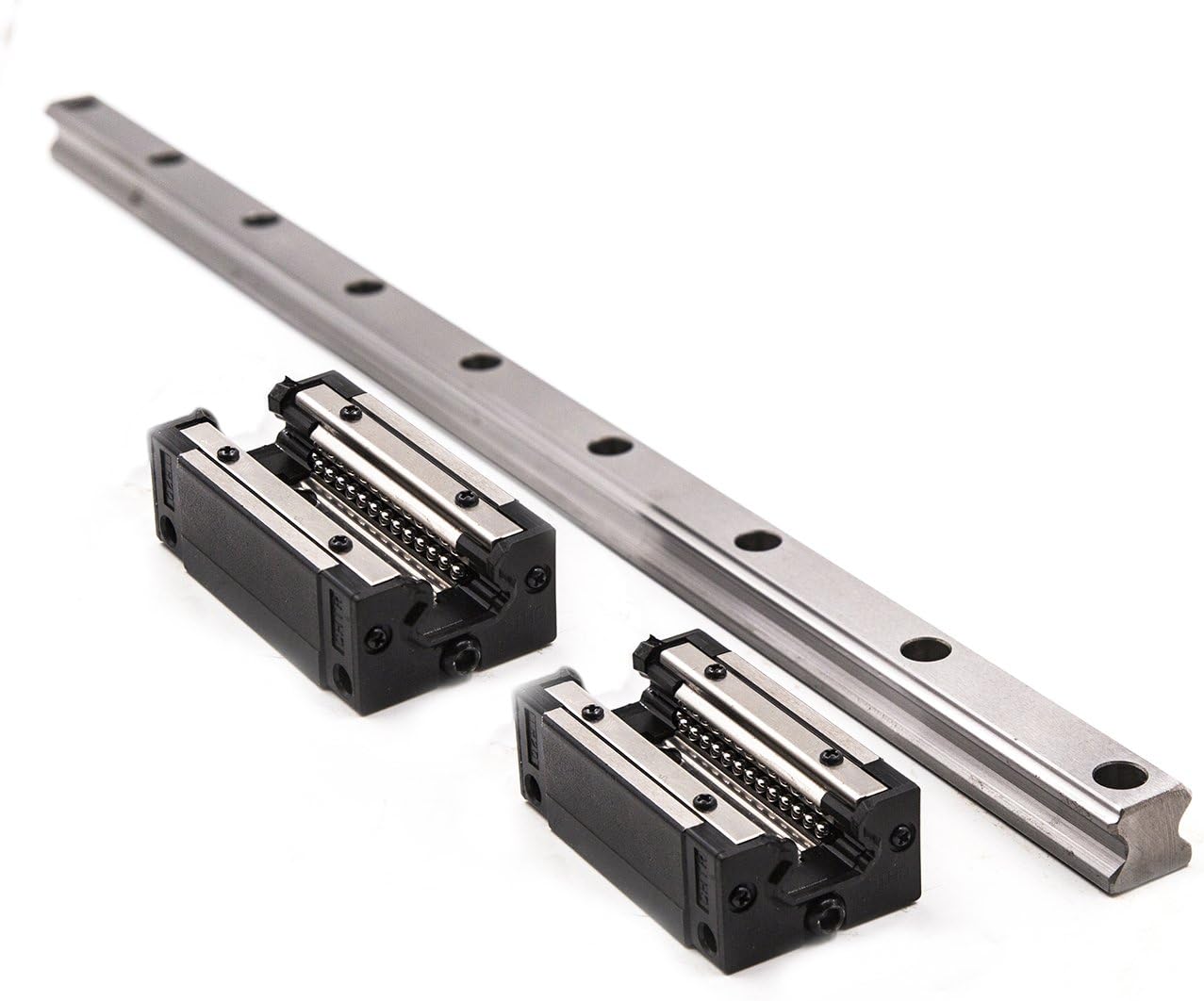
Linear Bearings: Definition and Applications
Linear bearings are mechanical components designed to facilitate smooth and controlled linear motion in a single direction. They are widely used across various industries to provide precise movement and guidance in applications where traditional rotary bearings are not suitable. Linear bearings offer several advantages and find use in a diverse range of applications:
- Precision Machinery:
Linear bearings are a fundamental part of precision machinery such as CNC machines, laser cutting equipment, and coordinate measuring machines. They ensure accurate movement and positioning of tools and components, enabling high-quality and intricate work.
- Industrial Automation:
In automated manufacturing and assembly lines, linear bearings play a critical role in moving robotic arms, conveyors, and various stages along predefined paths. Their ability to provide smooth and repeatable motion contributes to increased production efficiency.
- Medical Devices:
Linear bearings are essential in medical devices like diagnostic machines, imaging systems, and robotic surgical equipment. They enable precise movement and positioning required for accurate diagnoses and minimally invasive procedures.
- Packaging Machinery:
In packaging industries, linear bearings guide the motion of conveyor belts, sealing mechanisms, and labeling devices. These bearings ensure consistent and reliable packaging processes.
- Material Handling:
Linear bearings are used in various material handling equipment such as pick-and-place systems, automated warehouses, and sorting machines. They enable efficient movement of goods and materials with reduced friction and wear.
- Semiconductor Manufacturing:
In semiconductor fabrication, where extreme precision is crucial, linear bearings are employed in wafer handling, chip assembly, and inspection equipment. They ensure contamination-free motion and positioning of delicate components.
- Textile Machinery:
Textile machines use linear bearings for guiding yarn paths, thread tensioning, and controlling the movement of fabric during weaving and knitting. These bearings contribute to the quality and efficiency of textile production.
- Automotive Manufacturing:
Linear bearings are found in automotive assembly lines for tasks such as welding, painting, and component installation. They provide accurate movement and positioning of vehicle parts, contributing to the production process.
- Aerospace and Defense:
In aerospace applications, linear bearings are used in various mechanisms, including aircraft seats, control surfaces, and satellite deployment systems. Their reliability and precision are crucial in these demanding environments.
- Renewable Energy:
In wind turbines and solar panel manufacturing, linear bearings are used to adjust the positioning of blades, solar panels, and tracking systems. They contribute to the efficiency of renewable energy generation.
Overall, linear bearings offer precise, controlled, and smooth linear motion in diverse applications across industries. Their ability to guide and support loads while minimizing friction and wear makes them essential components for achieving accurate movement and improved operational efficiency.


editor by CX 2024-04-25