Product Description
SLHIRWS60 SLHIRWS80 LHISW7 LHISW8 LHISW10 LHISW12 LHISW15 LHISW19 LHISW21 LHISW23 LHISW28 LHISW32 LHISW40 LHISW45 LHISW52 LHISW60 LHISW80 LHISWF7 LHISWF8 LHISWF10 LHISWF12 LHISWF15 LHISWF19 LHISWF21 LHISWF23 LHISWF28 LHISWF32 LHISWF40 LHISWF45 LHISWF52 LHISWF60 LHISWF80 LHISWM7 LHISWM8 LHISWM10 LHISWM12 LHISWM15 LHISWM19 LHISWM21 LHISWM23 LHISWM28 LHISWM32 LHISWM40 LHISWM45 LHISWM52 LHISWM60 LHISWM80 LHISWMF7 LHISWMF8 LHISWMF10 LHISWMF12 LHISWMF15 LHISWMF19 LHISWMF21 LHISWMF23 LHISWMF28 LHISWMF32 LHISWMF40 LHISWMF45 LHISWMF52 LHISWMF60 LHISWMF80 SLHISW7 SLHISW8 SLHISW10 SLHISW12 SLHISW15 SLHISW19 SLHISW21 SLHISW23 SLHISW28 SLHISW32 SLHISW40 SLHISW45 SLHISW52 SLHISW60 SLHISW80 SLHISWS7 SLHISWS8 SLHISWS10 SLHISWS12 SLHISWS15 SLHISWS19 SLHISWS21 SLHISWS23 SLHISWS28 SLHISWS32 SLHISWS40 SLHISWS45 SLHISWS52 SLHISWS60 SLHISWS80 LHICW7 LHICW8 LHICW10 LHICW12 LHICW15 LHICW19 LHICW21 LHICW23 LHICW28 LHICW32 LHICW40 LHICW45 LHICW52 LHICW60 LHICW80 LHICWF7 LHICWF8 LHICWF10 LHICWF12 LHICWF15 LHICWF19 LHICWF21 LHICWF23 LHICWF28 LHICWF32 LHICWF40 LHICWF45 LHICWF52 LHICWF60 LHICWF80 LHICWM7 LHICWM8 LHICWM10 LHICWM12 LHICWM15 LHICWM19 LHICWM21 LHICWM23 LHICWM28 LHICWM32 LHICWM40 LHICWM45 LHICWM52 LHICWM60 LHICWM80 LHICWMF7 LHICWMF8 LHICWMF10 LHICWMF12 LHICWMF15 LHICWMF19 LHICWMF21 LHICWMF23 LHICWMF28 LHICWMF32 LHICWMF40 LHICWMF45 LHICWMF52 LHICWMF60 LHICWMF80 SLHICW7 SLHICW8 SLHICW10 SLHICW12 SLHICW15 SLHICW19 SLHICW21 SLHICW23 SLHICW28 SLHICW32 SLHICW40 SLHICW45 SLHICW52 SLHICW60 SLHICW80 SLHICWS7 SLHICWS8 SLHICWS10 SLHICWS12 SLHICWS15 SLHICWS19 SLHICWS21 SLHICWS23 SLHICWS28 SLHICWS32 SLHICWS40 SLHICWS45 SLHICWS52 SLHICWS60 SLHICWS80 LMBS4 LMBS6 LMBS8 LMBS10 LMBS12 LMBS16 LMBS20 LMBS24 LMBS32 LFWB16 LFWB20 LFWB25 LFWB30 LFWB35 LFWB40 MLFWB16 MLFWB20 MLFWB25 MLFWB30 MLFWB35 MLFWB40 ULFWB16 ULFWB20 ULFWB25 ULFWB30 ULFWB35 ULFWB40 UMLFWB16 UMLFWB20 UMLFWB25 UMLFWB30 UMLFWB35 LFDTM6-UU LFDTM10-UU LFDTM13-UU LFDTM16B-UU LFDTM20B-UU LFDTM25B-UU LFDTM30B-UU LFDTM35B-UU LFDTM40B-UU MLFDTM16B-UU MLFDTM20B-UU MLFDTM25B-UU MLFDTM30B-UU MLFDTM35B-UU SB5UU SB6UU MLFDTM40B-UU SB8UU SB10UU SB12UU SB13UU SB16UU SB20UU SB25UU SB30UU SB35UU SB40UU SB6LUU SB8LUU SB10LUU SB12LUU SB13LUU SB16LUU SB20LUU SB25LUU SB30LUU SB35LUU SB40LUU SBH6UU SBH8UU SBH10UU SBH12UU SBH13UU SBH16UU SBH20UU SBH25UU SBH30UU NF-6VUU NF-8TVUU NF-8VUU NF-10TVUU NF-12TVUU NF-12VUU NF-13TVUU NF-16TVUU NF-16VUU NF-20VUU NF-25TVUU NF-30TVUU NF-30VUU NF-35VUU NF-40VUU NF-50VUU NF-60VUU LFW16-OH LFW20-OH LFW25-OH LFW30-OH LFW35-OH LFW40-OH LFW50-OH LFW60-OH MLFW16-OH MLFW20-OH MLFW25-OH MLFW30-OH MLFW40-OH MLFW50-OH ULFW16-OH ULFW20-OH ULFW25-OH ULFW30-OH ULFW35-OH ULFW40-OH ULFW60-OH UMLFW16-OH UMLFW20-OH LFDKM8-UU LFDKM10-UU LFDKM12-UU LFDKM13-UU LFDKM16-UU LFDKM20-UU LFDKM25-UU LFDKM30-UU LFDKM40-UU LFDKM50-UU LFDKM60-UU MLFDKM16-UU MLFDKM20-UU MLFDKM25-UU MLFDKM30-UU MLFDKM35-UU MLFDKM40-UU MLFDKM50-UU MLFDKM60-UU SBH6LUU SBH8LUU SBH10LUU SBH12LUU SBH13LUU SBH16LUU SBH20LUU SBH25LUU SBH30LUU
/* January 22, 2571 19:08:37 */!function(){function s(e,r){var a,o={};try{e&&e.split(“,”).forEach(function(e,t){e&&(a=e.match(/(.*?):(.*)$/))&&1
| Rolling Element: | Single Row |
|---|---|
| Structure: | Rod End |
| Material: | Stainless Steel |
| Load Direction: | Radial Spherical Plain Bearing |
| Add Lubricant: | Self-lubricating |
| Outer Structure: | Outer Ring of Single-Slit |
| Samples: |
US$ 1/Piece
1 Piece(Min.Order) | |
|---|
| Customization: |
Available
| Customized Request |
|---|
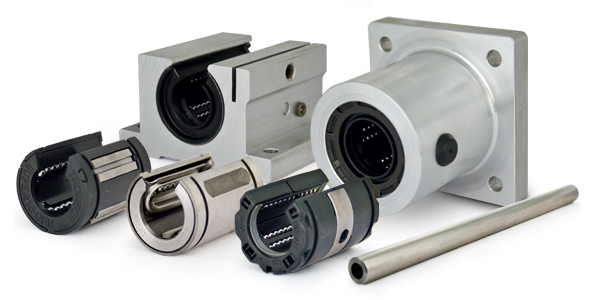
Considerations for Selecting the Right Type and Size of Linear Bearing
Choosing the appropriate type and size of linear bearing requires careful consideration of various factors to ensure optimal performance and compatibility with the application. Here are important considerations to keep in mind:
- 1. Load Capacity:
Determine the maximum load the linear bearing will need to support. Consider both static and dynamic loads to select a bearing that can handle the expected weight and forces.
- 2. Speed and Acceleration:
Assess the required speed and acceleration of the linear motion. Different linear bearing types have different speed limitations, so choose one that can accommodate the desired motion profile.
- 3. Precision and Accuracy:
If your application requires precise positioning, choose linear bearings that offer high accuracy and repeatability. Linear ball bearings are known for their precision, while linear roller bearings offer higher load capacity.
- 4. Environment:
Consider the operating environment, including temperature, humidity, dust, and potential exposure to chemicals. Select linear bearings that are designed to withstand the specific environmental conditions.
- 5. Rail or Shaft Compatibility:
Ensure that the chosen linear bearing is compatible with the rail or shaft you intend to use. Proper fit and alignment are crucial for smooth motion and long bearing life.
- 6. Space Constraints:
If your application has limited space, choose compact linear bearings that can fit within the available area without compromising performance.
- 7. Maintenance Requirements:
Consider the level of maintenance your application can accommodate. Some linear bearings are self-lubricating, reducing the need for frequent maintenance.
- 8. Noise Level:
For noise-sensitive environments, opt for linear bearings that provide quiet operation to avoid disruptions caused by excessive noise.
- 9. Mounting Options:
Consider how the linear bearing will be mounted and integrated into your system. Different bearings may require specific mounting configurations.
- 10. Cost and Budget:
Balance the desired features and performance with your budget constraints. While high-performance linear bearings may offer advanced features, they can also come at a higher cost.
By carefully evaluating these factors, you can choose the most suitable type and size of linear bearing for your specific application. Consulting with bearing manufacturers and engineers can also provide valuable insights to ensure the optimal selection.
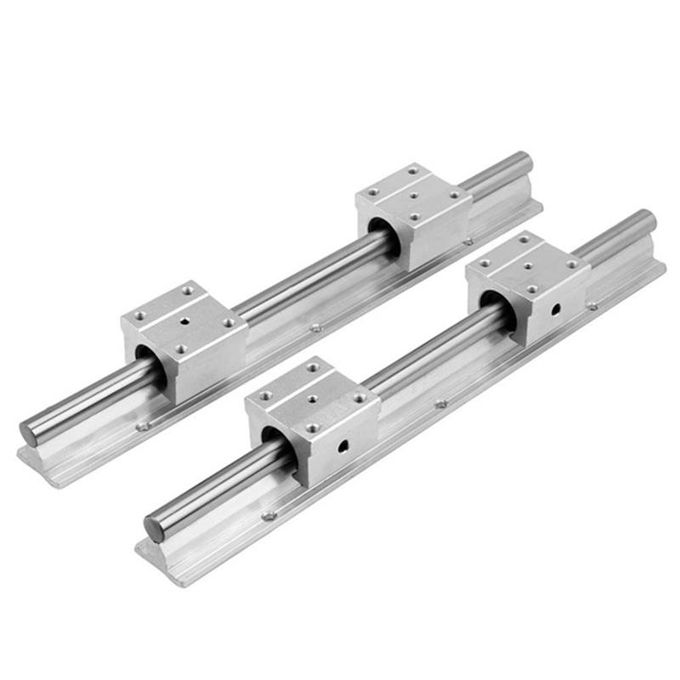
Managing Contamination and Debris in Linear Bearings
Contamination and debris pose significant challenges to the proper functioning of linear bearings. However, various measures are employed to effectively manage these issues:
- Preventive Sealing:
Linear bearings are often equipped with protective seals that act as barriers against contaminants. These seals prevent dust, dirt, and other particles from entering the bearing housing, thus reducing the risk of contamination.
- Shielding:
Linear bearings can incorporate shields that offer an additional layer of protection against debris. Shields are designed to keep larger particles away from the bearing’s rolling elements, enhancing the bearing’s longevity.
- Wipers and Scrapers:
Some linear bearings feature wipers or scrapers that actively remove debris from the bearing’s moving parts. These components help prevent the accumulation of contaminants that could compromise performance.
- Regular Maintenance:
Periodic inspection and cleaning are crucial to maintaining the cleanliness of linear bearings. Routine maintenance procedures help identify and remove any foreign particles that may have entered the bearing housing.
- Clean Environment:
Creating a clean operating environment is essential. In applications where contamination is a concern, steps are taken to minimize the presence of dust, dirt, and other pollutants in the vicinity of the linear bearings.
- Proper Lubrication:
Lubrication not only reduces friction but also creates a barrier against contaminants. The lubricant can help prevent particles from adhering to bearing surfaces, facilitating their removal during maintenance.
- Regular Inspections:
Frequent visual inspections can help identify early signs of contamination. Timely detection allows for prompt cleaning and maintenance, preventing further damage.
- Appropriate Sealing Materials:
Using high-quality sealing materials that are resistant to wear and tear is essential. The right materials can effectively keep contaminants out while withstanding the operating conditions.
- Choosing Suitable Environment:
Where possible, placing linear bearings in environments with lower levels of contamination or installing additional protective measures can help manage debris-related challenges.
By implementing these strategies, engineers and operators can effectively manage the challenges associated with contamination and debris, ensuring the optimal performance and longevity of linear bearings.
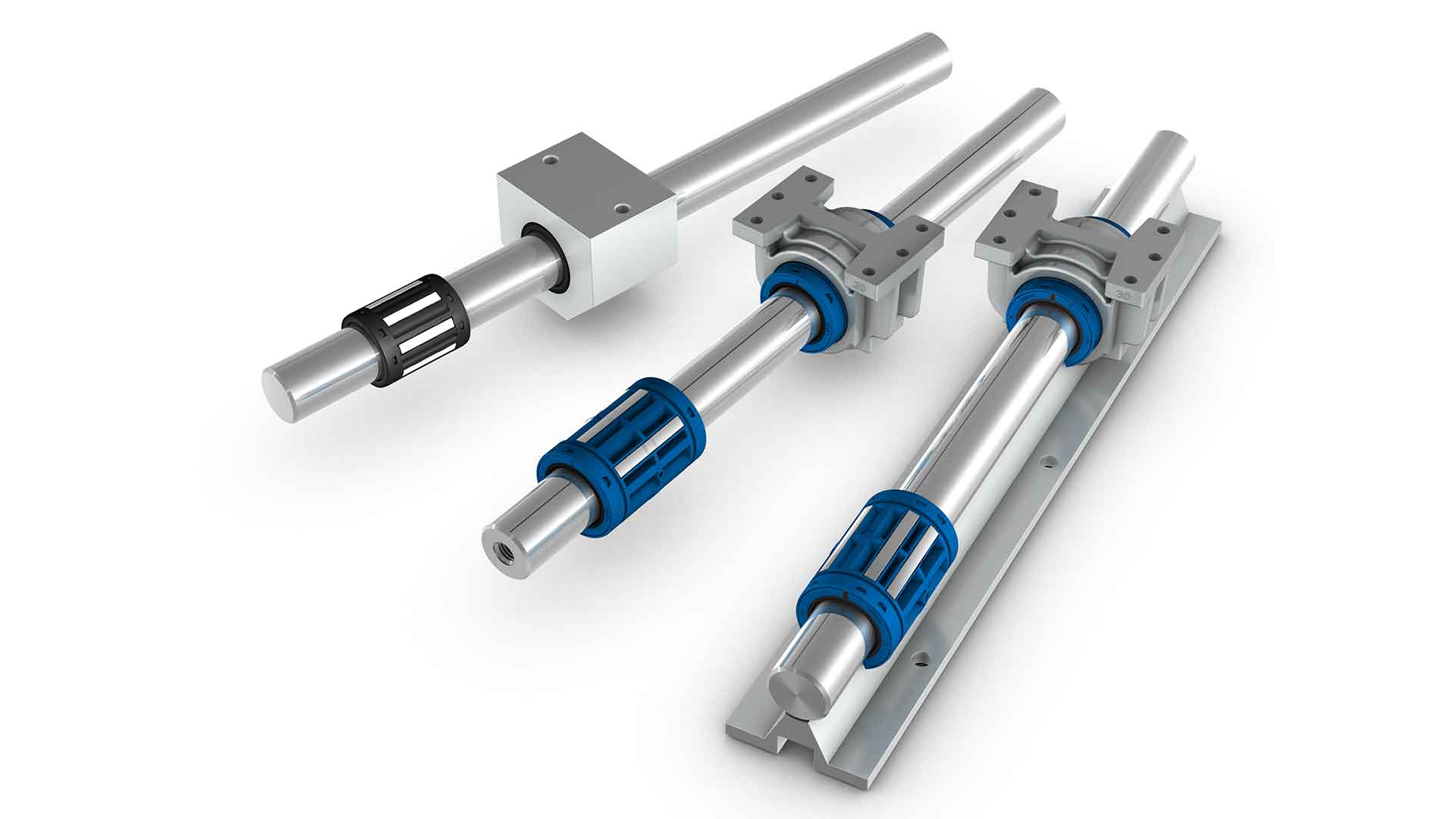
Examples of Crucial Motion Control Scenarios Using Linear Bearings
Linear bearings are crucial for achieving precise motion control in various scenarios where accuracy, repeatability, and smooth movement are essential. Here are some examples:
- 1. CNC Machining:
In computer numerical control (CNC) machines, linear bearings enable precise movement of the cutting tool or workpiece along multiple axes. This accuracy is necessary to produce complex and intricate parts with tight tolerances.
- 2. Semiconductor Manufacturing:
In semiconductor fabrication equipment, linear bearings control the movement of wafers, masks, and other components with micron-level precision. This precision is vital for creating tiny circuits and microchips.
- 3. 3D Printing:
In 3D printers, linear bearings ensure accurate positioning of the print head and build platform. This accuracy is crucial for creating intricate and detailed 3D-printed objects.
- 4. Laser Cutting and Engraving:
Linear bearings are used in laser cutting and engraving machines to control the movement of the laser head. Precise motion ensures accurate cutting and engraving on various materials.
- 5. Microscopy:
In microscopy applications, linear bearings enable precise positioning of microscope stages and objectives. This accuracy is essential for capturing detailed images and conducting precise measurements.
- 6. Metrology and Inspection:
Linear bearings are crucial in metrology and inspection equipment for accurately measuring and inspecting parts. This ensures compliance with quality standards and specifications.
- 7. Optical Systems:
In optical systems, linear bearings control the movement of lenses, mirrors, and other optical components. Precise motion is essential for maintaining accurate focus and alignment.
- 8. Coordinate Measuring Machines (CMMs):
Linear bearings in CMMs allow accurate measurement of parts’ dimensions and geometries. Precise motion ensures reliable measurement results.
- 9. Aerospace and Defense Testing:
In aerospace and defense industries, linear bearings are used in testing equipment to simulate various conditions. Accurate motion control is crucial for testing components’ performance and durability.
These examples highlight the critical role of linear bearings in achieving precise motion control across industries. Whether in manufacturing, research, or testing, linear bearings ensure accurate and repeatable movement for optimal results.


editor by CX 2024-04-11